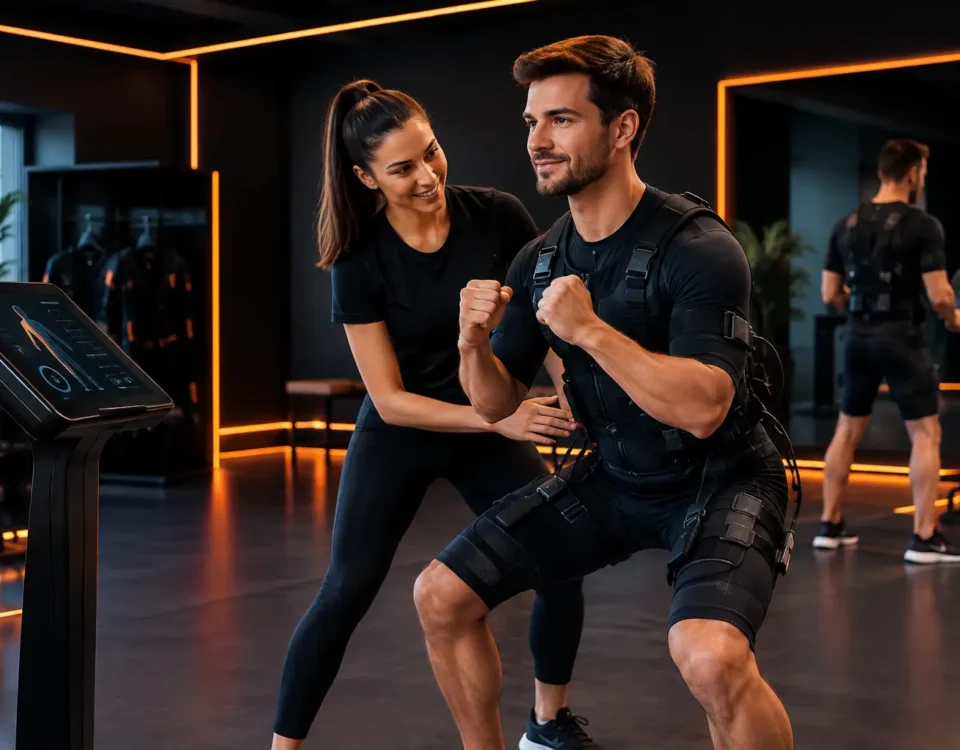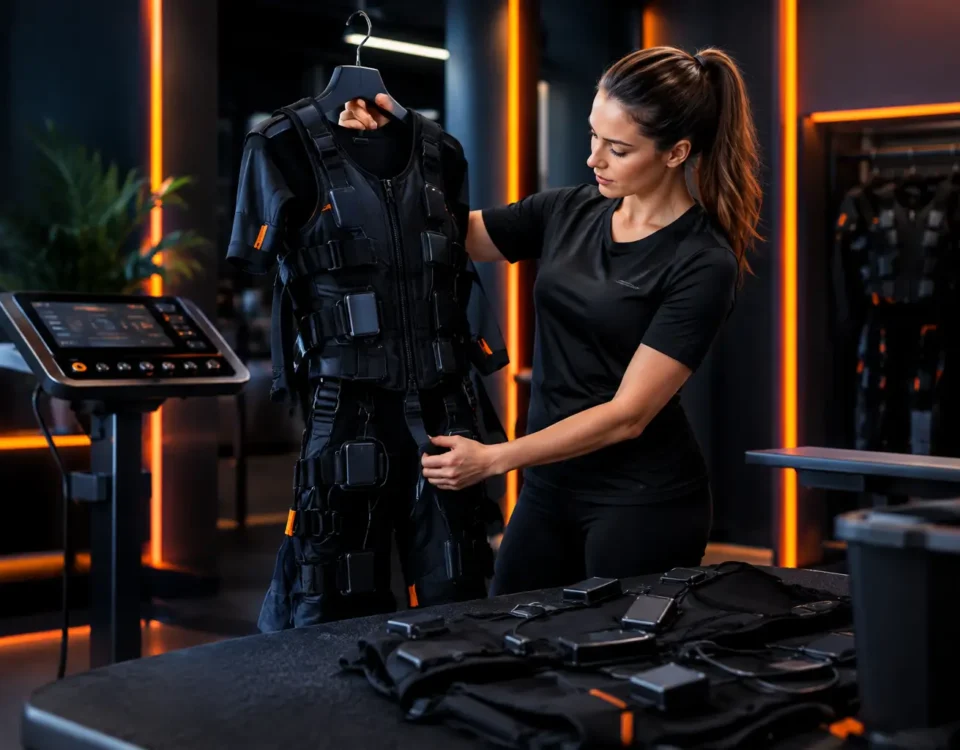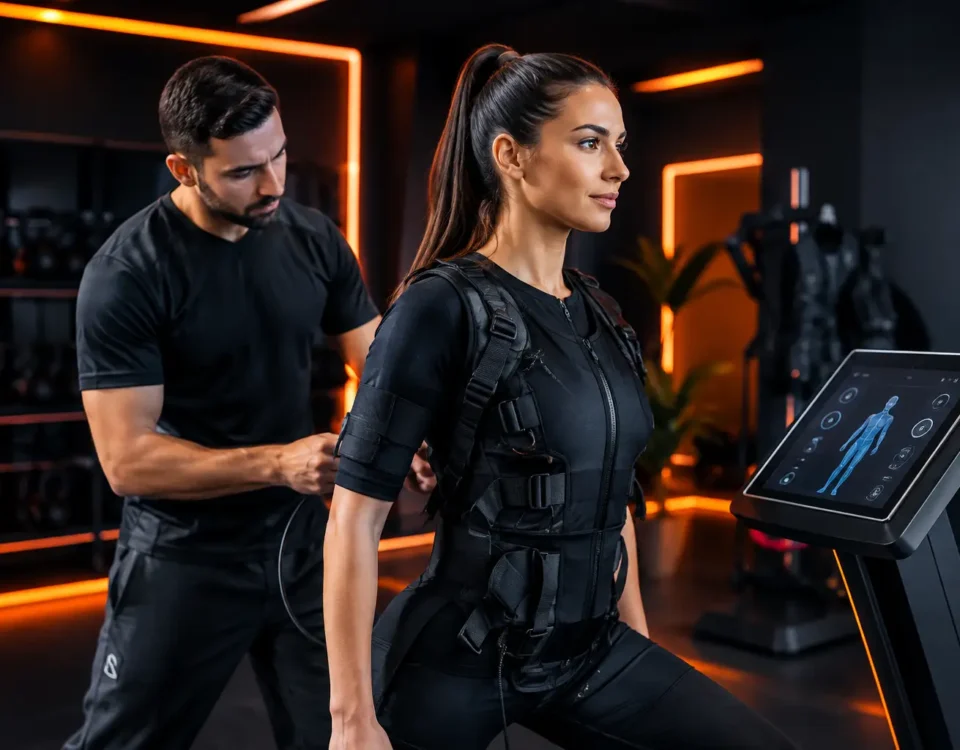

A client asks one question before they buy a session package: what will this actually do for me? That is where ems benefits, ems results, ems strength, ems muscles, ems recovery, ems performance become more than marketing language. For operators, these are the outcomes that shape positioning, pricing, retention, and referrals.
If you run a gym, clinic, boutique wellness concept, or solo mobile service, EMS works best when you present it clearly. Clients are not buying electrodes or software. They are buying a result they can feel, measure, and justify. The commercial opportunity grows when your delivery model matches those expectations.
Why EMS benefits matter in a commercial setting
EMS is often discussed as a training method, but from a business standpoint, it is a service format with strong potential when used correctly. It appeals to time-poor professionals, deconditioned clients who want guided support, performance-focused members looking for a new stimulus, and wellness customers who value premium one-to-one attention.
That range matters. A service with broad appeal gives operators more than one route to revenue. One business may focus on body-toning and convenience. Another may lean into strength support, back-care routines, or recovery sessions. The same core technology can serve different market segments, but only if the offer is framed around realistic results.
Clients usually want one of four things. They want to feel stronger, activate muscles they struggle to train effectively, recover better around a busy schedule, or improve performance without adding hours to their week. EMS can support each of those goals, but not in the same way for every person. Your commercial credibility depends on explaining that difference.
EMS results depend on positioning and programming
The biggest mistake operators make is promising universal transformation from a uniform service. EMS results vary based on training frequency, client condition, session quality, nutrition, recovery habits, and goal selection. That is not a weakness. It is what allows you to build segmented offers instead of one generic package.
For beginners, the early win is usually neuromuscular awareness. Clients often report that they can feel muscle activation more clearly, especially in the core, glutes, and postural chains. For inactive or returning clients, that can create fast buy-in because the session feels productive from day one.
For general fitness clients, results tend to show up as improved strength endurance, better movement control, and a stronger perception of effort in a short time window. This is one reason EMS fits premium personal training and small-format coaching so well. It compresses attention, coaching, and stimulus into a highly managed session.
For advanced users, the value is more selective. EMS is rarely a replacement for all conventional training. It works better as a targeted addition to an existing system, especially when the client wants variety, localized activation, or a time-efficient supplemental session.
That distinction matters commercially. If your audience expects EMS to replace every other method, satisfaction can drop. If they understand where it fits and why, retention improves.
EMS strength and EMS muscles: what clients are really buying
When people ask about EMS strength, they are usually asking two things at once. First, can it help them get stronger? Second, will they feel that their muscles are working in a way they do not achieve alone?
The answer to both is often yes, with context. EMS can enhance muscle recruitment during guided exercise and can help clients focus on areas that are otherwise difficult to activate. This is especially valuable in coached settings where posture, range, and intensity are managed carefully. The sensation of deeper muscle involvement is one of the strongest drivers of perceived value.
From a business angle, that makes EMS highly sellable in one-to-one and small-group formats. Clients feel the difference quickly, which shortens the time needed to prove the concept. Strong first impressions help conversion, but long-term success still depends on structured progression.
Operators should avoid reducing EMS muscles to a cosmetic pitch alone. Aesthetics sell, but function retains. Clients stay longer when they connect muscle activation to better movement, greater stability, reduced training monotony, or support around previous inactivity. A narrow body-shaping message can attract attention, but a broader results framework creates more durable revenue.
There is also a practical pricing advantage here. Services tied to visible coaching, personal adjustment, and measurable progression support premium rates better than services framed as passive treatment. The more your clients understand EMS as guided high-value training, the stronger your pricing power becomes.
EMS recovery and EMS performance are not the same offer
This is where many businesses leave money on the table. EMS recovery and EMS performance should not be packaged as one indistinct promise.
Recovery-focused clients usually want reduced fatigue perception, circulation support, low-impact sessions, and a way to stay engaged without adding another hard workout. That audience may include executives, older adults, busy parents, or clients balancing training with work stress. They value convenience, session control, and feeling better quickly.
Performance-focused clients think differently. They want output, readiness, efficiency, and a competitive edge. They are more open to progressive protocols, targeted muscle emphasis, and integration with sport-specific or strength-based routines. They care less about relaxation and more about measurable support to a broader performance plan.
These are two distinct commercial pathways. If you run a mobile EMS model, recovery and convenience may be the strongest lead angle because the service meets clients where they are. If you operate a studio, you can separate sessions by objective and create clearer upsell paths. If you serve premium wellness or luxury markets, recovery-oriented EMS may fit exceptionally well alongside body care, longevity, and concierge-style services.
What operators should say about EMS performance without overpromising
Professional operators win trust by being precise. EMS performance can be a compelling message, but only when it is tied to the right use case.
It is fair to say EMS can support performance through targeted muscle activation, efficient training exposure, and structured coaching in a short session. It is less credible to imply that a few sessions will outperform a well-built conventional program. The strongest positioning is additive, not exaggerated.
That approach is also better for business. Overpromising may lift short-term sales, but it increases refund pressure, weakens reviews, and hurts referral quality. Clear positioning attracts clients who understand the offer and stay longer.
In practical terms, strong operators build expectation around consistency. They explain that some clients notice session impact immediately, while visible physical changes and broader strength gains depend on adherence over time. That conversation helps move prospects from trial buyers to package buyers.
How these benefits shape your business model
Not every EMS offer should look the same because not every market buys for the same reason. A solo mobile trainer may win by emphasizing convenience, efficiency, and low-overhead premium coaching. A gym owner may use EMS to create a high-margin personal training tier. A clinic or wellness center may integrate it into guided strength support or recovery-focused services.
This is where commercial strategy matters as much as technology. You need the right setup, but you also need a business model that matches your client profile, local pricing tolerance, staffing reality, and launch budget.
For many operators, the real advantage is flexibility. You can enter the category with a leaner mobile format, prove demand, and expand later. Or you can start with a studio-ready concept designed for higher capacity from the beginning. The best path depends on how quickly you need cash flow, how much capital you want to commit, and what type of customer experience you plan to sell.
A consultative partner such as EMS Leader becomes relevant here because equipment alone does not solve the operational questions. Session design, onboarding, positioning, warranty support, training, and business planning all affect how fast an EMS concept becomes profitable.
The smartest way to sell EMS results
The market does not need louder promises. It needs better framing. Sell EMS through outcomes clients can understand and coaches can deliver. Explain where it helps with strength, where it improves muscle activation, where it supports recovery, and where it adds value to performance goals.
That creates a stronger business than generic hype ever will. It improves trust at the point of sale, supports premium pricing, and gives your team a clearer script for converting interest into recurring revenue.
If you are evaluating EMS as a business line, the key question is not whether clients want benefits. They do. The real question is whether your model is built to deliver those benefits consistently, profitably, and with enough clarity that clients know exactly why they should come back.