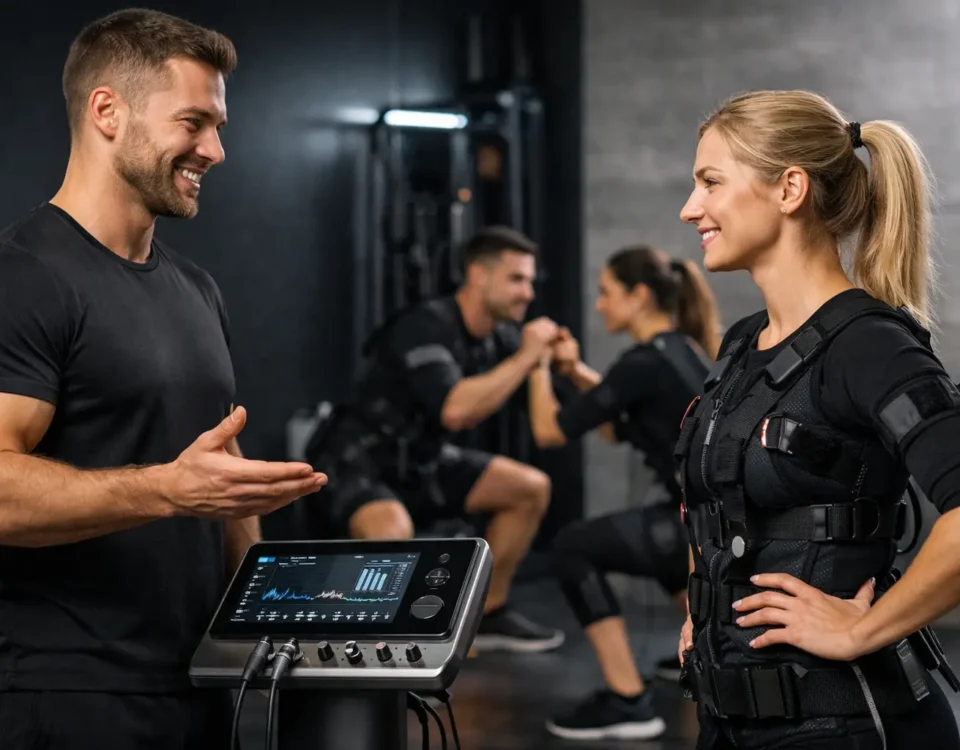


A new EMS system does not create demand by itself. A clear offer, fast follow-up, and a sales process built around the client’s actual goals do. The most effective EMS lead generation strategies help fitness and wellness operators turn local interest into booked consultations, paid sessions, and recurring memberships without relying on random promotions.
For an EMS business, lead quality matters more than lead volume. One prospect who understands the value of time-efficient, guided training can be worth more than 50 people who only want the lowest possible price. Your marketing should therefore qualify prospects early, show why your service is different, and give them a simple next step.
1. Define the EMS Offer Before You Promote It
Many operators begin advertising before deciding exactly what they are selling. This creates vague messaging such as “Try EMS training” and attracts vague inquiries. A better approach is to build a specific entry offer around a defined audience, outcome, and format.
A mobile EMS operator may target busy professionals who want private sessions at home, at work, or in a premium residential setting. A studio may focus on clients looking for structured small-group training with scheduled appointments. A clinic or wellness concept may position EMS as a supervised fitness service that complements an existing client experience.
Your offer should answer three practical questions: who is this for, what happens in the first visit, and what should the prospect do next? Avoid making broad claims. Instead, explain the convenience, coaching format, session structure, and personal attention clients can expect.
2. Build a Trial That Converts, Not Just a Cheap First Visit
A trial session is often the main conversion point in an EMS business. But a discounted session without a process can fill your calendar with people who have no intention of continuing. The goal is not simply to sell a trial. The goal is to use the trial to identify fit and recommend the right package.
Make the first appointment feel structured from the start. Begin with a short consultation covering training history, schedule, goals, and preferred service format. Then deliver a controlled introduction to EMS, explain the coaching approach, and finish with a clear recommendation based on the prospect’s stated priorities.
The strongest trial offers usually include a consultation, guided session, and a defined follow-up conversation. This protects the premium position of the business. It also gives the coach enough information to recommend a recurring plan with confidence.
3. Use Local Search to Capture High-Intent Demand
People searching for EMS training, personal training, fitness studios, or wellness services in their area are already closer to a purchase decision than a casual social media viewer. Local search visibility should be a foundation of your lead generation plan, especially for studio-based operations.
Your business profile, website pages, and review process should all use consistent descriptions of your location, service type, and booking process. Use real images of your space, equipment, trainers, and client environment. Prospects want proof that the business is established, professional, and easy to access.
Reviews are especially valuable because EMS is unfamiliar to many first-time prospects. Ask satisfied clients for feedback shortly after they have experienced your service and understand its value. Do not script reviews or make unrealistic promises. Authentic comments about coaching quality, convenience, professionalism, and the studio experience are more persuasive than exaggerated results.
4. Create Content That Answers the Questions Before the Sales Call
Educational content works when it removes uncertainty. Prospects commonly want to know what an EMS session involves, how long it takes, whether it is suitable for their current training level, how private sessions work, and what they should wear or bring.
Short videos, trainer-led explanations, studio walkthroughs, and client onboarding content can answer these questions efficiently. The content should be practical rather than overly technical. A prospective client does not need a long explanation of every device feature. They need to understand what their first session will feel like and why your service is worth booking.
For business owners, content can also support higher-value positioning. Show the quality of your coaching environment, appointment system, hygiene standards, staff training, and personalized setup. Premium prospects buy confidence and convenience, not only equipment access.
5. Build Referral Partnerships With Complementary Businesses
The best local leads often come from businesses that already serve your ideal client. Personal trainers, boutique gyms, wellness centers, beauty concepts, corporate wellness providers, and hospitality businesses may all have audiences that fit an EMS offer.
A referral partnership should be simple enough for both sides to use. Rather than proposing a complicated campaign, agree on a clear introduction process. For example, a partner can invite qualified clients to a consultation, while your team provides a professional first-session experience and reports back appropriately on the referral outcome.
Choose partners based on client overlap, not just audience size. A small premium wellness center with the right clientele may produce better leads than a large organization whose members are primarily price-driven. Test partnerships over a fixed period, track booked appointments and conversions, then invest more in the channels that produce qualified clients.
6. Follow Up Faster Than Your Competitors
Lead response speed has a direct effect on booking rates. When someone submits a form or sends a message, their interest is highest in the first few minutes. Waiting until the next day gives that prospect time to lose momentum, compare alternatives, or forget they contacted you.
Set a simple standard: respond quickly, ask one or two qualifying questions, and offer specific appointment times. Avoid long messages that explain every detail before a prospect has booked. The first objective is a conversation and a consultation, not a complete sales presentation by text.
A practical follow-up sequence can include an immediate confirmation, a personal message or call, a reminder before the consultation, and a short check-in if the person does not book. Keep the tone professional and helpful. Persistence matters, but repeated generic messages can damage your brand.
7. Measure the Full Client Acquisition Path
Marketing becomes expensive when operators only measure clicks, followers, or inquiry volume. The numbers that matter are booked consultations, completed trials, package conversions, average client value, and retention.
Track every lead source separately. A social media campaign may generate many inquiries but few paid clients, while a referral partner may produce fewer leads with much stronger conversion. That difference should guide your budget and your team’s time.
A simple monthly scorecard can include:
- Number of new leads by source
- Consultation booking rate
- Trial attendance rate
- Trial-to-package conversion rate
- Average revenue per new client
- Client retention after the first month
These metrics reveal where the real bottleneck sits. If lead volume is healthy but bookings are weak, improve response time and scheduling. If trials are full but conversions are low, review the consultation, the offer, and the way coaches present recommendations. If conversion is strong but capacity is limited, it may be time to add sessions, staff, or another EMS setup.
Choosing the Right Lead Strategy for Your EMS Model
The right mix of EMS lead generation strategies depends on how you operate. A mobile EMS business often benefits from personal referrals, corporate relationships, and neighborhood-level outreach because convenience is its key advantage. A studio needs strong local search visibility, consistent content, and a booking process that fills fixed training slots.
Premium dry wireless EMS concepts may rely more heavily on brand presentation, strategic partnerships, and a highly polished consultation experience. Their clients often evaluate the total environment, privacy, and service standard before they evaluate price.
The common requirement across all models is operational readiness. Marketing should not outpace your ability to respond, book, coach, and retain clients. EMS Leader supports operators with business model planning, training, and equipment options that help align the commercial setup with the market they want to serve.
A steady client pipeline is built through repeatable actions, not one viral campaign. Start with one clear offer, one reliable booking process, and two or three channels you can measure. When those foundations produce consistent conversions, growth becomes a business decision rather than a marketing gamble.