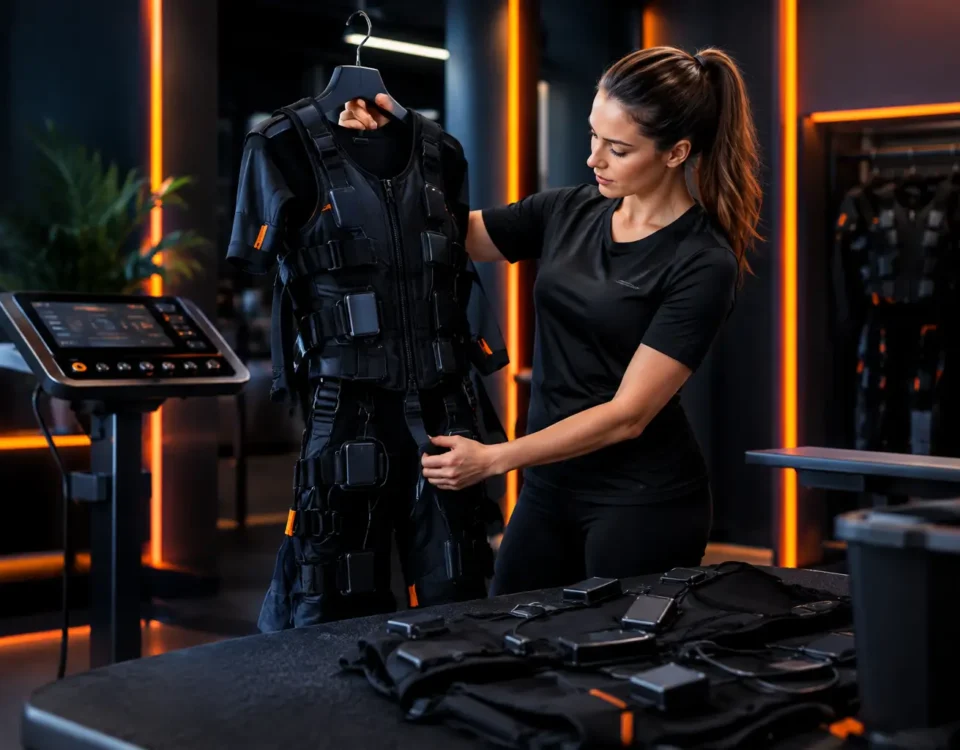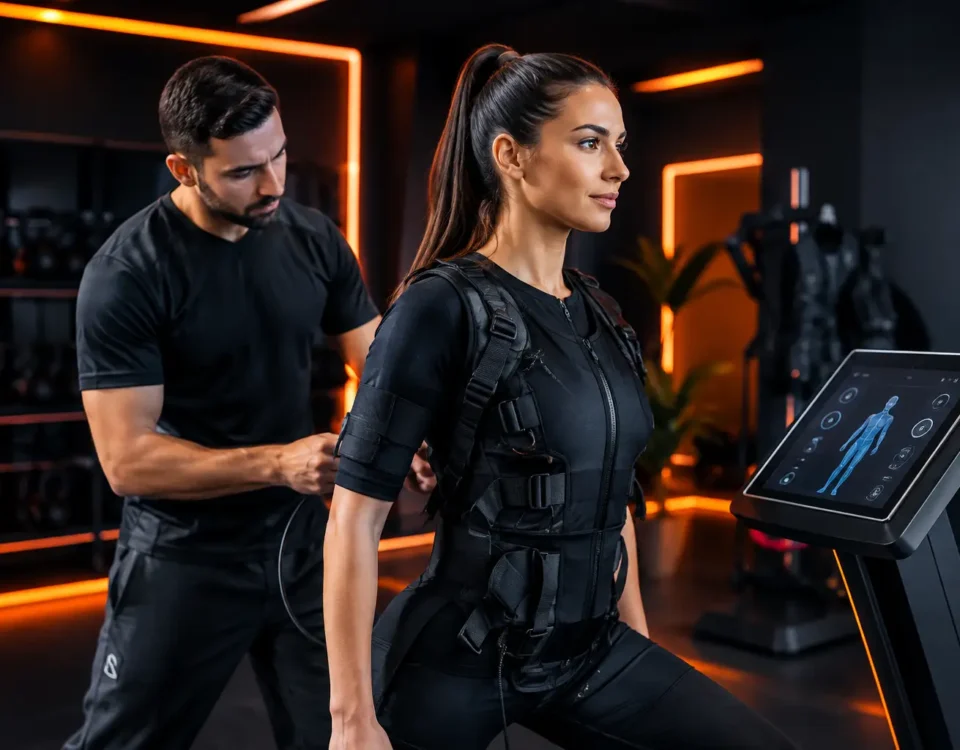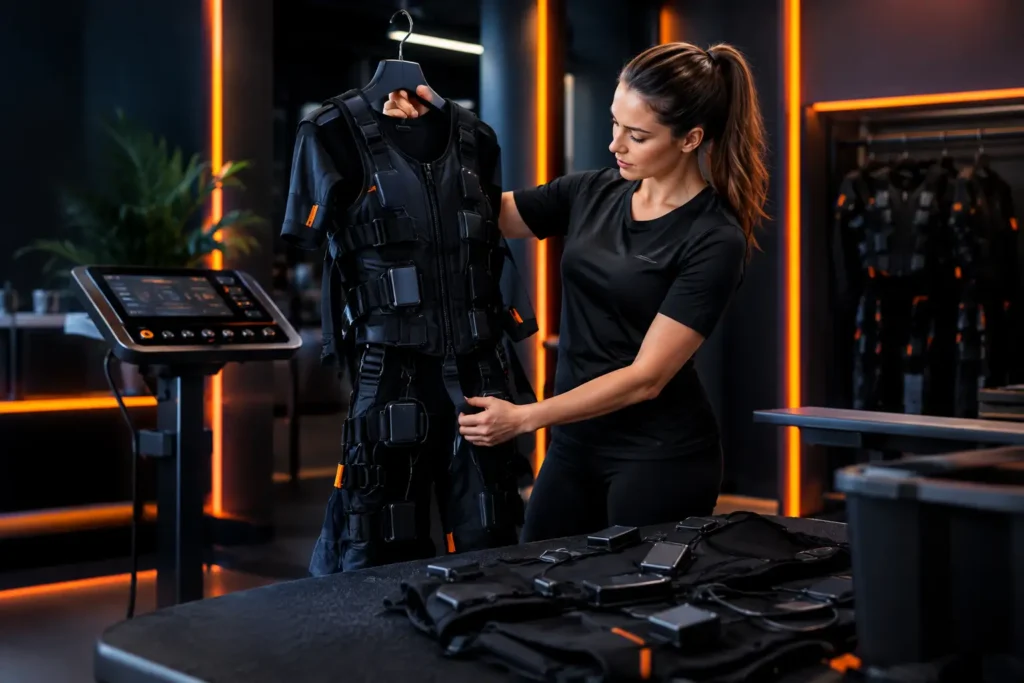

A clinic can lose money on the right technology for the wrong business model. That is exactly why choosing EMS systems for clinics should start with operations, not specs. If your team, space, pricing, and patient flow are not aligned with the system you buy, the equipment becomes expensive friction instead of a revenue engine.
For clinic owners and managers, EMS is rarely a novelty purchase. It is a service-line decision. You are adding a modality that has to fit treatment delivery, staff capacity, compliance habits, and commercial goals. The best setup is not the one with the longest feature sheet. It is the one your clinic can launch quickly, use consistently, and monetize without disrupting core care.
What clinics actually need from EMS systems
Clinics evaluate equipment differently than boutique studios or solo trainers. A trainer may prioritize portability and low entry cost. A clinic usually needs consistency, staff usability, patient comfort, and a clear path from first session to repeat bookings.
That changes the buying criteria. Good EMS systems for clinics need to support predictable session delivery, easy onboarding for staff, durable hardware, and enough flexibility to serve different patient or client profiles. The system also needs to make commercial sense. If reimbursements are limited or the service is mostly cash-pay, pricing power matters. If your clinic already runs strong wellness, recovery, or performance programs, client conversion matters just as much.
This is where many buyers get stuck. They compare electrode counts, software screens, or vest design, but skip the bigger question: what kind of clinic business are you trying to build with EMS?
Start with the clinic model, not the machine
There is no single best answer for every operator. A rehab clinic with treatment rooms and licensed staff has different needs than a sports clinic adding high-ticket performance sessions. A wellness center inside a larger medical practice may care more about premium presentation and client experience than maximum throughput.
In practical terms, most clinic buyers land in one of three commercial setups.
A mobile-style setup works for operators who want low initial investment, minimal fixed overhead, and one-to-one appointments. This can make sense for clinicians or practitioners testing demand before committing more space and capital. The trade-off is capacity. It is easier to launch, but harder to scale quickly.
A studio-style setup fits clinics that want repeatable scheduling and stronger revenue density. If you have dedicated space, clear session packaging, and staff who can run EMS consistently, this model often gives the best balance between throughput and control. It is the strongest option for clinics treating EMS as a serious growth line rather than a side service.
A premium dry wireless model is built for higher-end wellness and VIP positioning. This is less about entry-level volume and more about experience, presentation, and pricing. It can work well in luxury recovery, longevity, concierge, and aesthetic-adjacent environments. The trade-off is obvious: higher expectations from clients and a greater need for polished delivery.
How to assess EMS systems for clinics before you commit
A smart decision usually comes down to five filters: workflow, staffing, space, investment level, and revenue speed.
Workflow comes first. How long is each session, including preparation, fitting, cleaning, and turnover? A system that looks efficient on paper can slow down a clinic if setup is awkward or staff need too much time between clients. In a clinic environment, every extra minute affects room use and labor cost.
Staffing is next. Who will deliver the service, and how much training will they realistically absorb? If only one team member can operate the system confidently, you do not have a scalable service. You have a dependency risk. Systems backed by onboarding and practical training reduce that risk substantially.
Space matters more than many first-time buyers expect. Some clinics assume they can add EMS to any spare room. In reality, patient changing space, storage, sanitation process, and session privacy all affect the client experience. A good system should fit the physical footprint of your clinic without forcing awkward compromises.
Investment level is not just the price of the device. You need to consider accessories, replacement parts, staff training time, maintenance, and launch support. This is why rental and rent-to-own options are attractive for many clinics. They preserve capital while giving the operator room to validate demand and refine pricing.
Revenue speed may be the most overlooked factor. How quickly can you get the service into market? Buying equipment without launch planning delays cash flow. Clinics that move fastest usually pair the hardware decision with pricing strategy, offer structure, and staff activation from day one.
The financing question is really a growth question
Many clinic owners ask whether they should buy outright or rent. The better question is what financing structure gives the business the best risk-adjusted start.
Direct purchase makes sense when the clinic already has strong certainty about demand, enough capital, and a clear roll-out plan. If you know the service fits your market and you want full ownership from the start, buying can be efficient.
Rental works better when flexibility matters most. It lowers entry friction, protects cash reserves, and gives the clinic a faster testing path. For operators entering EMS for the first time, this can be the most commercially sensible move because it reduces the cost of being early-stage wrong.
Rent-to-own sits in the middle. It is a practical option for clinics that want to launch now but convert into ownership as the service proves itself. That structure aligns well with clinics focused on controlled growth rather than aggressive upfront spending.
For many operators, the best choice is the one that keeps momentum high. Delaying launch for the sake of perfect capital efficiency often costs more in lost market time than the financing difference itself.
Support is not a bonus. It is part of the product.
A clinic does not just buy an EMS device. It buys implementation risk. That is why support matters so much.
Training should cover more than basic operation. Staff need confidence in setup, session structure, troubleshooting, and how to present the service commercially. If the provider only ships equipment and disappears, the clinic absorbs the learning curve alone.
Warranty coverage and spare parts also matter more in clinics than in hobby operations. Downtime interrupts schedules, creates refund risk, and damages trust. A provider with real after-sales support reduces operational exposure.
Business guidance is another major advantage, especially for first-time entrants. Clinics often know how to deliver care, but not how to package EMS for strong uptake. Pricing, offer design, membership integration, and capacity planning all affect payback. This is where a consultative partner adds real value. EMS Leader is positioned around exactly that model: not just supplying systems, but helping operators choose a workable commercial path and launch with fewer blind spots.
Common mistakes clinics make with EMS
The first mistake is buying for technology appeal instead of service fit. Flashy hardware does not fix weak positioning.
The second is underestimating commercialization. If your team cannot explain who the service is for, why it is valuable, and how packages are structured, the system will sit underused.
The third is ignoring patient or client experience. Comfort, privacy, and professionalism shape retention. Clinics that treat EMS like an add-on often get add-on results.
The fourth is choosing a setup that outruns current demand. More capacity is not always better. If you are early in the launch phase, a leaner setup with strong support may outperform a larger investment that takes too long to fill.
What a good decision looks like
A good clinic decision is rarely the cheapest option or the most advanced one. It is the setup that matches your delivery model, gets staff operating quickly, protects cash flow, and creates a believable path to repeat revenue.
That may mean starting with a lower-commitment system and expanding once utilization proves out. It may mean building a dedicated EMS room and integrating the service into rehab, recovery, or performance packages. It may mean positioning EMS as a premium offering for a narrower but more profitable client segment. All three can work.
The key is clarity. When the equipment model, financing structure, and clinic workflow match, EMS becomes easier to launch and easier to scale.
The clinics that get the best return are usually not the ones chasing the most features. They are the ones making a disciplined commercial decision early, then executing it with consistency. If you approach EMS that way, the right system does more than fill a room – it gives your clinic a new line of growth that can actually hold up under real operations.