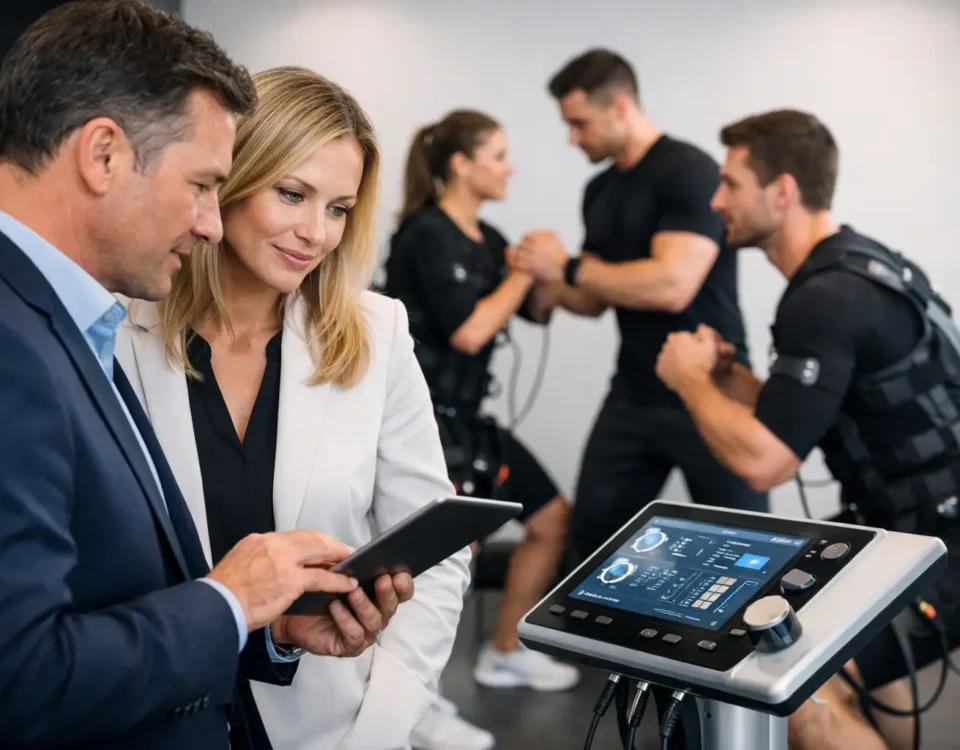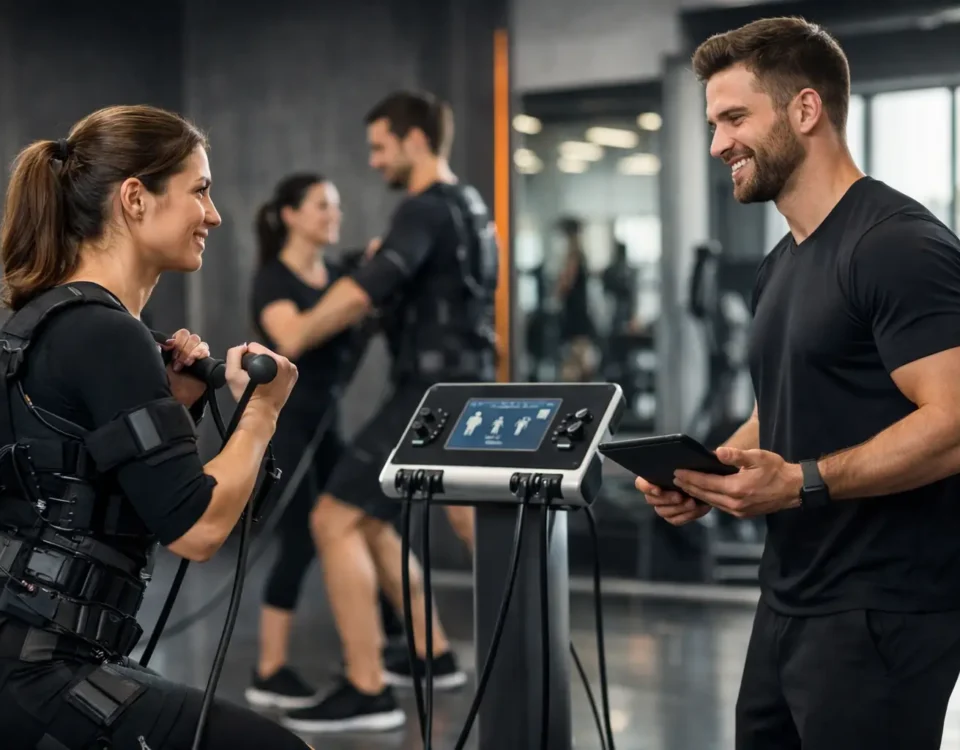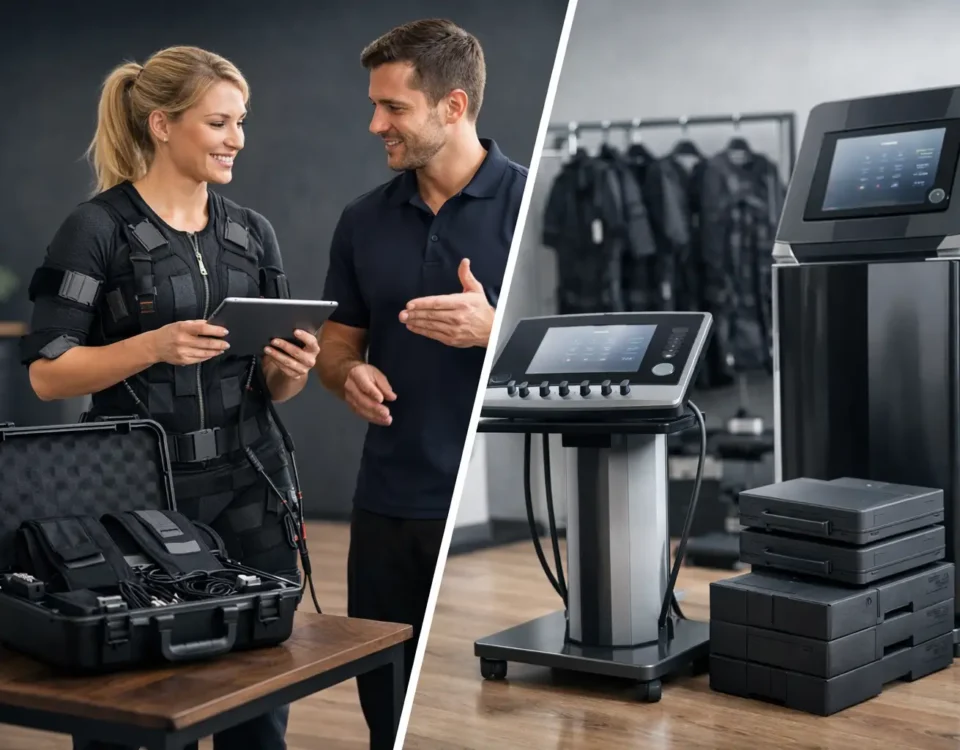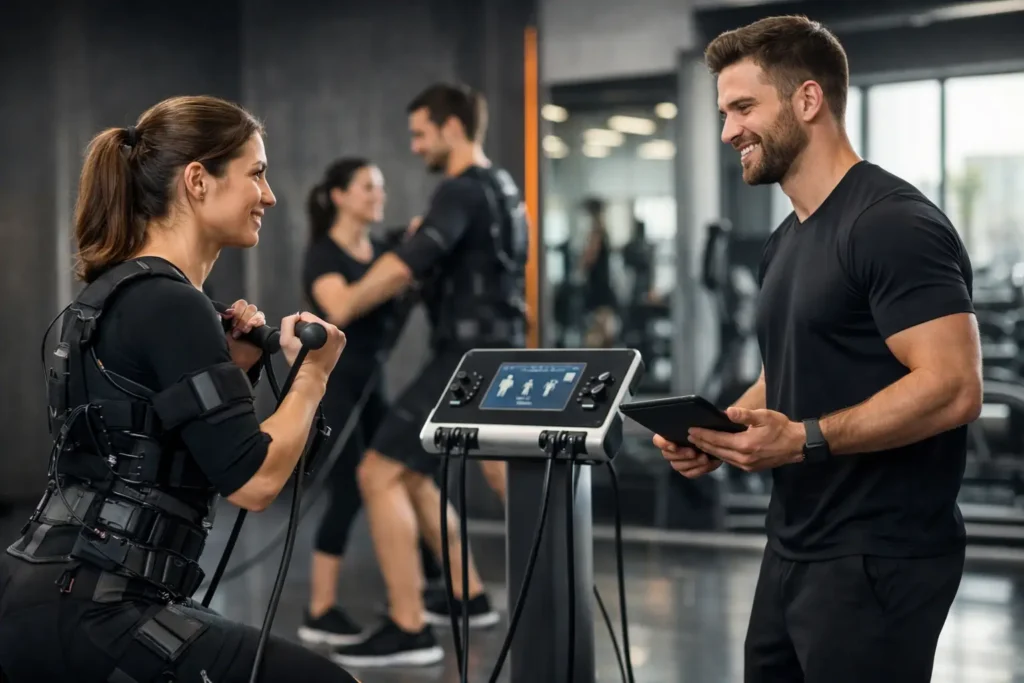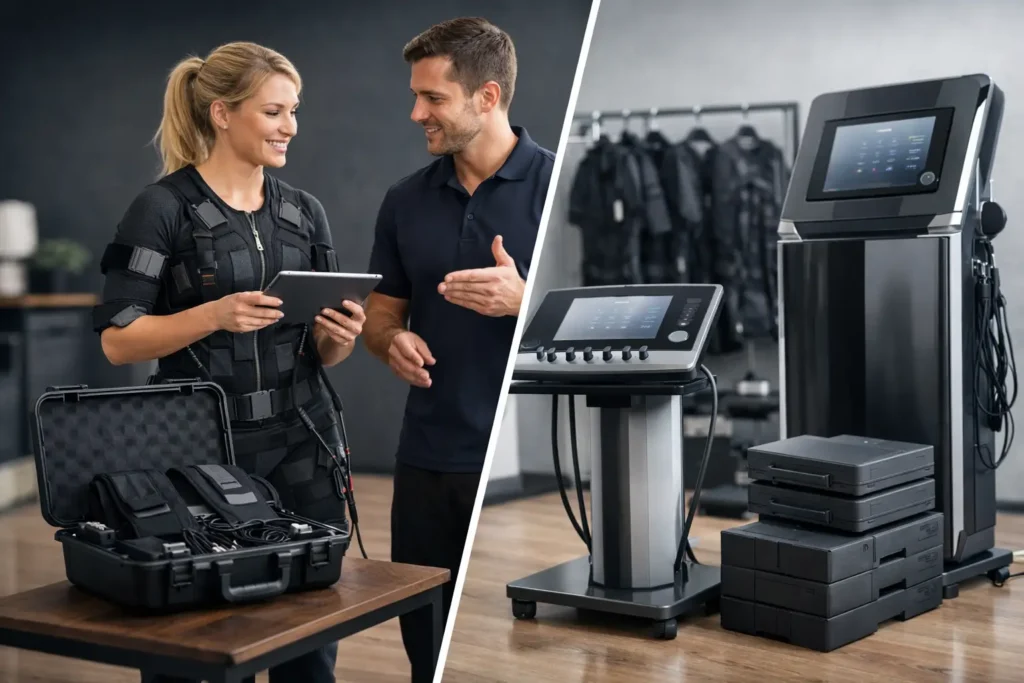

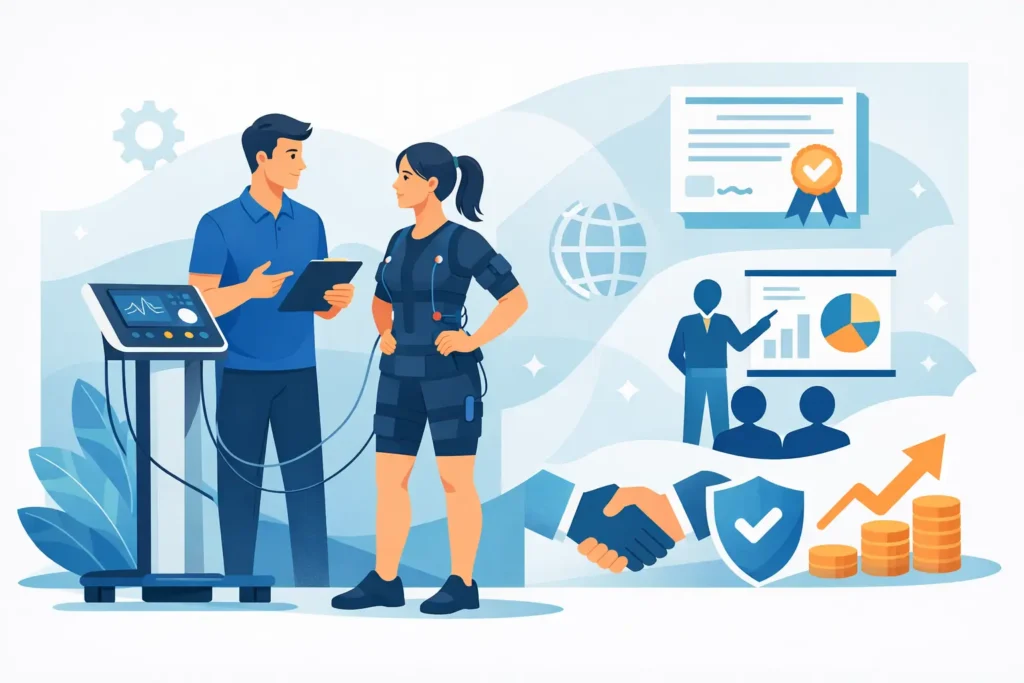
A lot of EMS businesses do not struggle because demand is weak. They struggle because the operator buys equipment first and figures out trainer readiness later. That is exactly where EMS trainer certification support matters. If your coaches are underprepared, your launch slows down, session quality becomes inconsistent, and client retention takes a hit long before marketing has a chance to work.
For a business owner, certification is not just a compliance box. It affects how quickly you can start selling, how confidently your team can coach, and how safely you can scale. Whether you are planning a solo mobile offer, a multi-coach studio, or a premium private concept, the quality of your support around certification can shape the business more than the device itself.
Why EMS trainer certification support matters commercially
Most buyers initially look at hardware, financing, and price per unit. Those are valid concerns, but they are not the full picture. The real business question is simpler: can your team deliver a session that clients trust enough to repeat and recommend?
That depends on structured preparation. Good EMS trainer certification support helps trainers understand contraindications, intensity control, session structure, coaching cues, hygiene standards, and client progression. It also reduces onboarding time. Instead of each coach improvising their own method, the business starts from a repeatable operating standard.
This is especially important in EMS because the service is high-touch and high-accountability. Clients expect expertise. They are paying for supervision, personalization, and results, not just access to equipment. If your trainer looks uncertain during setup or cannot explain why a session is programmed a certain way, confidence drops fast.
There is also a risk-management angle. A professional certification path, backed by operational support, helps create cleaner procedures around screening, coaching, and session delivery. That protects the client experience and protects the business.
What strong EMS trainer certification support should include
Not all support is equal. Some providers offer a short technical walkthrough and call it training. That may be enough to turn a device on, but it is rarely enough to build a reliable business.
Strong support usually combines technical instruction with operational context. Trainers need to know how to fit the system, adjust intensity, and run protocols correctly. They also need to know how to handle first sessions, manage client concerns, position the service, and maintain consistency across appointments.
Technical competency is only the baseline
At minimum, coaches should be trained on equipment handling, contraindications, safety checks, electrode placement or suit prep, session flow, and post-session guidance. Without that baseline, you are asking staff to deliver a premium service with guesswork in the background.
But technical competency alone does not create commercial performance. Many operators learn that the hard way. A trainer may understand the machine yet still struggle to convert consultations into paid packages, retain new clients past the first month, or adapt programming to different customer profiles.
Business-facing coaching support is where the value grows
The better model includes support that connects training to revenue. That means helping operators define who delivers sessions, how long onboarding takes, what level of staff experience is required, and how the service is priced and packaged.
For example, a solo personal trainer entering mobile EMS has different certification needs than a clinic manager staffing multiple practitioners. The solo operator may need a faster path to launch with a practical session framework they can sell immediately. A multi-staff studio needs standardization, documentation, and a repeatable training process for every new hire.
That is why support should match the business model, not just the machine.
Choosing the right certification support for your EMS model
The wrong support package can slow growth even if the equipment is strong. The right one makes your launch cleaner and your scaling easier.
Mobile EMS operators need speed and clarity
If you are starting with a low-investment mobile model, your priorities are usually launch speed, manageable overhead, and quick path to revenue. In that case, EMS trainer certification support should be highly practical. You need training that gets you operational fast, with clear first-session protocols, client screening guidance, and a simple structure for recurring appointments.
What you do not need is unnecessary complexity that delays selling. Mobile businesses often win by keeping delivery lean and personal. Certification support should reflect that.
Studio and gym operators need consistency across staff
A studio model changes the equation. Once multiple trainers are involved, consistency becomes a major commercial issue. If one coach delivers a premium experience and another does not, retention drops and brand value weakens.
Here, certification support needs to go beyond onboarding one person. You need a framework that can be repeated across hires, with clear standards for session delivery, progression, and customer care. This is where structured partner support has real financial value because staff turnover, expansion, and quality control are all easier to manage when the system is documented.
Premium concepts need confidence and presentation
For boutique wellness, luxury, or high-ticket private training concepts, expertise must be visible. Clients paying premium rates expect polished execution. Certification support for this model should help trainers deliver not only safe and effective sessions, but also a premium consultation experience, strong service language, and high-confidence coaching.
In this segment, a weak first impression is expensive. Support should prepare trainers to justify the offer, not just perform it.
The trade-off: in-house training vs external support
Some operators prefer to train their team internally after receiving basic product instruction. That can work if the business already has senior staff with EMS experience and time to build internal standards.
Most new entrants do not have that advantage. Building your own certification pathway takes time, documentation, testing, supervision, and quality control. It may save money upfront, but it often costs more in slow onboarding, uneven service, and avoidable mistakes.
External EMS trainer certification support gives you a faster operating base. The trade-off is that you need a provider who understands commercial realities, not just technical theory. The best support partner helps shorten the gap between installation and revenue.
Questions operators should ask before committing
Before choosing an EMS partner, ask practical questions. How long does trainer onboarding take? Is the training designed for one operator or a team? Does it cover safety, coaching, and session structure? Is there post-certification support if trainers need refreshers? Can the training support your chosen model – mobile, studio, or premium private?
You should also ask what happens after launch. Certification is not a one-time event in a growing business. New hires come in. Service standards drift. Questions come up in real client situations. Ongoing support matters because businesses evolve after day one.
A provider that only delivers equipment leaves you to solve those problems alone. A provider that treats certification support as part of the business system gives you a stronger runway.
EMS trainer certification support and ROI
Operators often focus on certification as a cost center. It is better viewed as a speed-to-revenue tool. Better-trained staff usually start stronger, sell more confidently, and create fewer service issues. That affects retention, package sales, referrals, and reputation.
There is no universal payback timeline because it depends on pricing, staffing, and local demand. Still, the logic is consistent. If stronger support helps you launch sooner, reduce trainer errors, and improve conversion from trial to package, it contributes directly to ROI.
This is one reason serious operators prefer consultative partners. They are not just buying a machine. They are buying launch support, operating clarity, and a better chance of building predictable revenue.
For businesses entering EMS for the first time, this matters even more. A simple setup with the right support often outperforms a more advanced setup with weak onboarding. Execution beats theory in the early months.
What a good decision looks like
A good certification support decision fits your growth stage. If you are testing the market, choose support that gets you live fast without creating confusion. If you are building a team, prioritize repeatability and standards. If you are targeting premium clients, make sure your trainers are equipped to deliver a service that feels worth the price.
That is the commercial lens to use. Not just what certification includes on paper, but what it helps your business do in practice.
For many operators, the strongest path is working with a partner that combines equipment access, onboarding, and business guidance in one model. That is where companies such as EMS Leader stand out – the support is designed around launch and growth, not just product delivery.
If you want your EMS offer to generate revenue consistently, start by asking a simple question: are your trainers being prepared to coach, sell, and retain clients, or are they just being shown how to use the device? The answer usually tells you how stable the business will be six months from now.