
A 20-minute appointment can be a strong commercial format, but only when the service behind it is structured correctly. EMS, EMS training, EMS workouts, EMS fitness, WB-EMS, and muscle stimulation are not simply equipment categories. For an operator, they are decisions about positioning, staffing, client capacity, investment level, and recurring revenue.
The opportunity is clear: clients increasingly value coached, time-efficient training. The operational question is whether your EMS concept can deliver that experience consistently, safely, and profitably. The answer depends less on buying a device and more on choosing a business model that matches your location, audience, and growth plan.
What EMS Training Means in a Commercial Setting
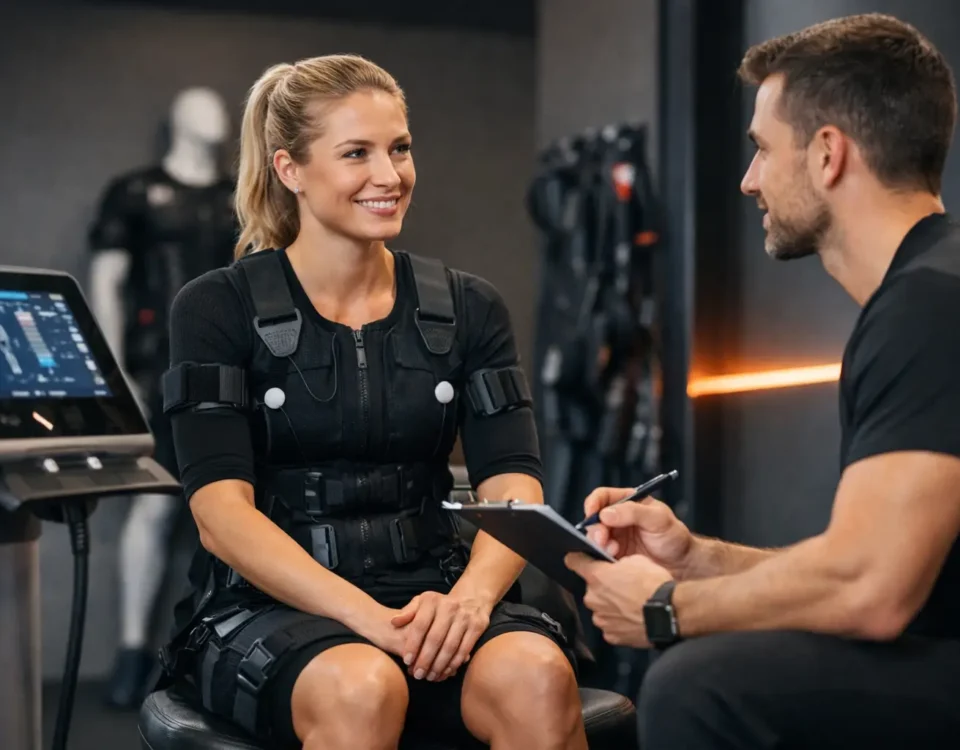
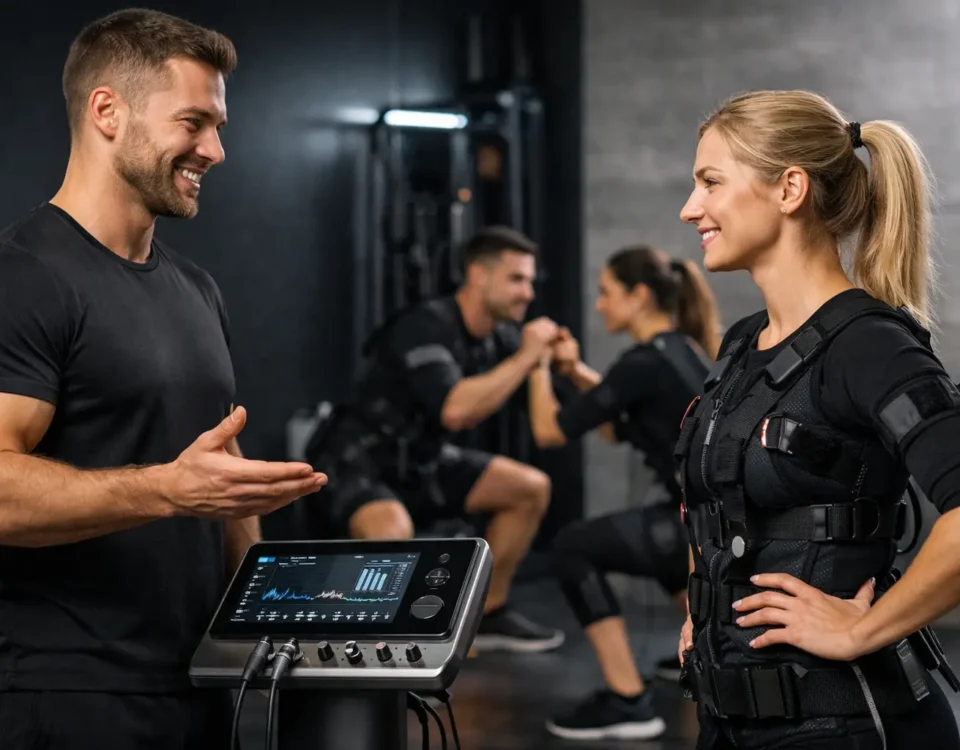
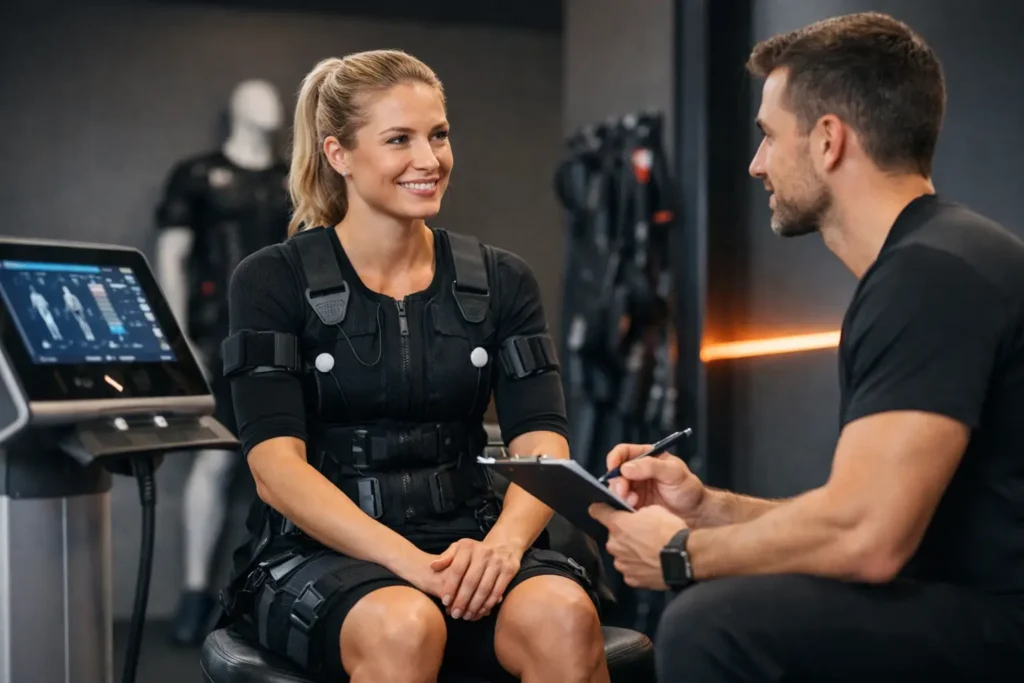
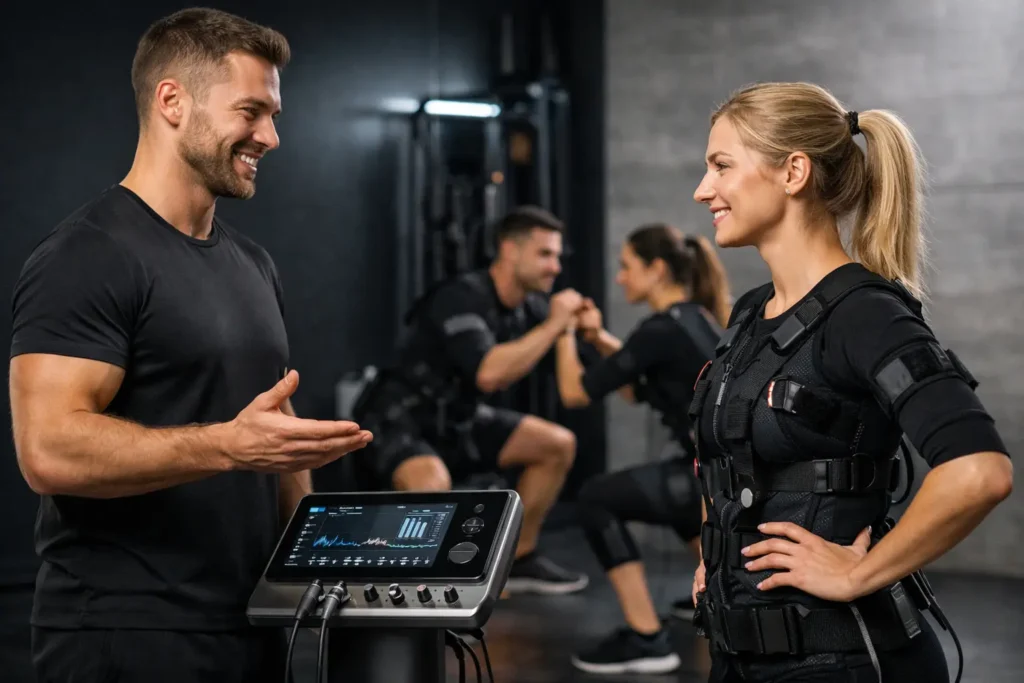
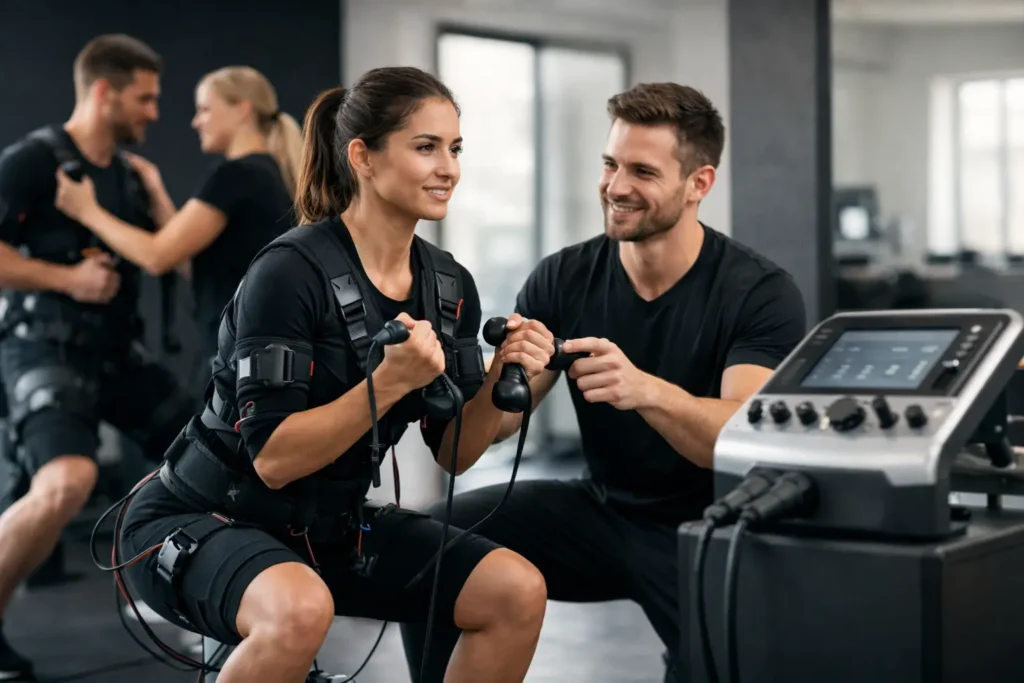
EMS training uses controlled electrical impulses alongside voluntary movement and coached exercise. In a commercial WB-EMS session, clients typically wear an electrode suit or vest while a trained coach leads a short, structured workout. The coach adjusts intensity by muscle group and monitors technique, comfort, and session progression.
That combination is what makes EMS fitness a premium service rather than an unattended equipment rental. Clients are paying for expert supervision, a focused appointment, personalized progression, and convenience. The technology supports the session, but the coach and operating system create the client experience.
For business owners, this distinction matters. A strong EMS workout model is built around onboarding, scheduling, hygiene procedures, trainer education, client screening, and a clear offer. Without those elements, even capable equipment can become an underused asset.
Why WB-EMS Fits the Premium Fitness Market
WB-EMS, or whole-body electrical muscle stimulation, engages multiple muscle groups during one guided session. Its commercial appeal comes from efficiency and differentiation. It gives personal trainers, studios, wellness concepts, and selected clinics a service format that is visibly different from conventional training.
It is especially relevant for clients who want coaching but have limited time. A well-run EMS session can fit into a busy schedule and remain highly personal. That makes it easier to position as a membership, a session package, an add-on to personal training, or a premium wellness service.
However, the best positioning depends on your market. A neighborhood personal trainer may lead with convenience and one-to-one attention. A studio may lead with consistency, expert coaching, and booked appointment slots. A luxury wellness concept may emphasize privacy, comfort, design, and individualized service. The same muscle stimulation technology can support each model, but the sales message, space requirements, and investment priorities will differ.
Choose the EMS Fitness Model Before the Equipment
The fastest way to create friction is to select equipment first and build the business around it afterward. Start with the service model you can realistically operate.
| Business model | Best fit | Primary advantage | Key operational requirement | | — | — | — | — | | Mobile EMS | Personal trainers and new operators | Lower entry barrier and flexible service area | Reliable transport, setup discipline, and route planning | | Studio EMS | Gyms, dedicated studios, and clinics | Repeatable appointments and stronger capacity planning | Suitable space, trained staff, and consistent lead flow | | Premium dry wireless EMS | Boutique wellness, luxury, and VIP concepts | High-end client experience and streamlined presentation | Premium environment and service standards |
Mobile EMS: Start Lean and Validate Demand
Mobile EMS is often the most practical starting point for a solo trainer or entrepreneur testing local demand. You can bring a coached EMS workout to clients at home, in private training spaces, or through partner locations. This reduces the pressure of a long lease and lets you build a client base before committing to a dedicated studio.
The trade-off is operational. Travel time limits daily capacity, and every appointment requires reliable setup, cleaning, packing, and transport. Mobile operators need to price for coaching expertise and convenience, not only session duration. They also need tight scheduling zones to prevent travel from consuming the day.
Studio EMS: Build for Repeatable Capacity
A studio model gives you more control. The environment is consistent, equipment is always ready, and clients can move through a defined booking process. It can also support multiple trainers, recurring memberships, and cross-selling with personal training, recovery, wellness, or body-care services where appropriate.
The trade-off is fixed overhead. A studio needs enough booked sessions to justify rent, staffing, utilities, and marketing. Before launch, map the number of realistic appointment slots per day, expected utilization, average client retention, and the lead volume needed to fill the schedule. A strong ROI plan should be based on conservative occupancy assumptions, not an ideal calendar from day one.
Premium Dry Wireless EMS: Sell the Experience, Not Just Speed
For boutique operators, dry wireless EMS can support a refined, high-touch service. Less visible setup complexity may improve the presentation in hotels, private clubs, luxury wellness centers, and VIP concepts. It can also help operators create a cleaner, more flexible experience where the client journey matters as much as the workout itself.
This model requires discipline in another area: brand standards. Premium clients notice room design, appointment flow, staff presentation, consultation quality, and follow-up. The equipment supports the offer, but it cannot substitute for a premium operating experience.
Build an EMS Workout That Clients Want to Repeat
Client retention comes from structure. A first appointment should not feel like a quick demonstration of intensity. It should establish confidence, explain the service, capture relevant screening information, and set realistic training expectations. The coach should introduce stimulation progressively, maintain clear communication throughout the workout, and document session settings and feedback.
A repeatable session framework also makes staff management easier. Coaches can personalize movement choices and intensity while following the same core procedures for preparation, session delivery, sanitation, and post-session guidance. That protects service quality as the business grows.
Muscle stimulation should be presented accurately. It is a training modality used with coached exercise, not a shortcut that eliminates the need for movement, professional instruction, or healthy client habits. Avoid claims that your service cannot support. Clear, responsible messaging protects client trust and strengthens your long-term reputation.
The Numbers That Matter Before Launch
An EMS business does not need an overly complicated financial model, but it does need one grounded in operations. Review your expected session price, appointment capacity, coach compensation, consumable and laundry needs, rent or travel costs, financing terms, marketing budget, and maintenance plan.
Then model three scenarios: a cautious launch, a stable operating month, and a mature schedule. This shows whether your concept can absorb a slower first quarter and where the break-even point truly sits. It also helps you decide whether rental, rent-to-own, or direct purchase is the right equipment path.
Rental can preserve capital and reduce the barrier to entry. Rent-to-own may suit operators who want a planned ownership route while protecting early cash flow. Direct purchase can make sense for established businesses with capital available and a clear deployment plan. There is no universal best choice. The right option is the one that supports your working capital, launch timeline, and level of demand certainty.
Training and After-Sales Support Are Part of the Product
For an EMS operator, equipment uptime is revenue protection. A missed appointment affects more than one session: it can weaken client confidence, create staff stress, and disrupt the schedule. That is why onboarding, trainer education, warranty coverage, spare-parts access, and responsive technical support should be evaluated before signing an agreement.
Ask practical questions. How will your team learn the operating protocol? What happens if a component needs replacement? Is there guidance on studio setup, client flow, and commercial positioning? Can the supplier help compare business models before you commit?
EMS Leader approaches these questions as part of the launch process, helping operators align the system with a mobile, studio, or premium wireless concept. That support is most valuable when it is used early, before the first appointment is booked.
Make Your EMS Offer Easy to Understand
A prospective client should understand your offer in one conversation. Explain who the service is for, what a coached session involves, how appointments are scheduled, and why your format is worth the premium. Avoid leading only with technology. Lead with the outcome your business can reliably deliver: efficient, professionally guided training in a setting that fits the client’s lifestyle.
The strongest EMS business is rarely the one with the most complicated sales pitch. It is the one where the equipment, coaching, pricing, and client experience all point in the same direction. Choose that direction first, then build the EMS operation to support it.