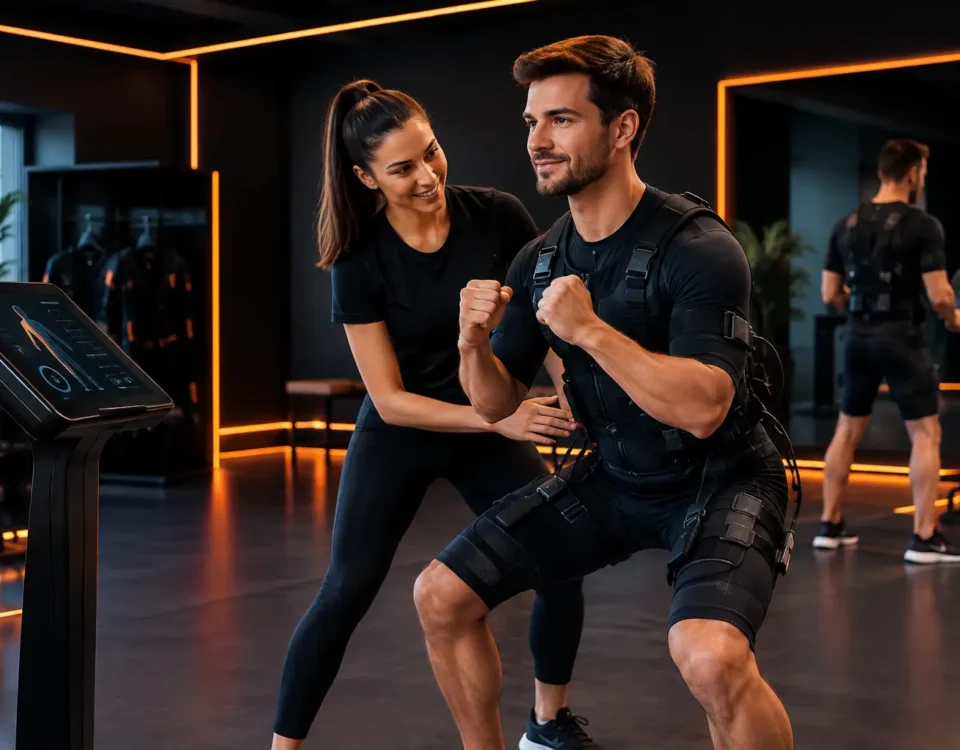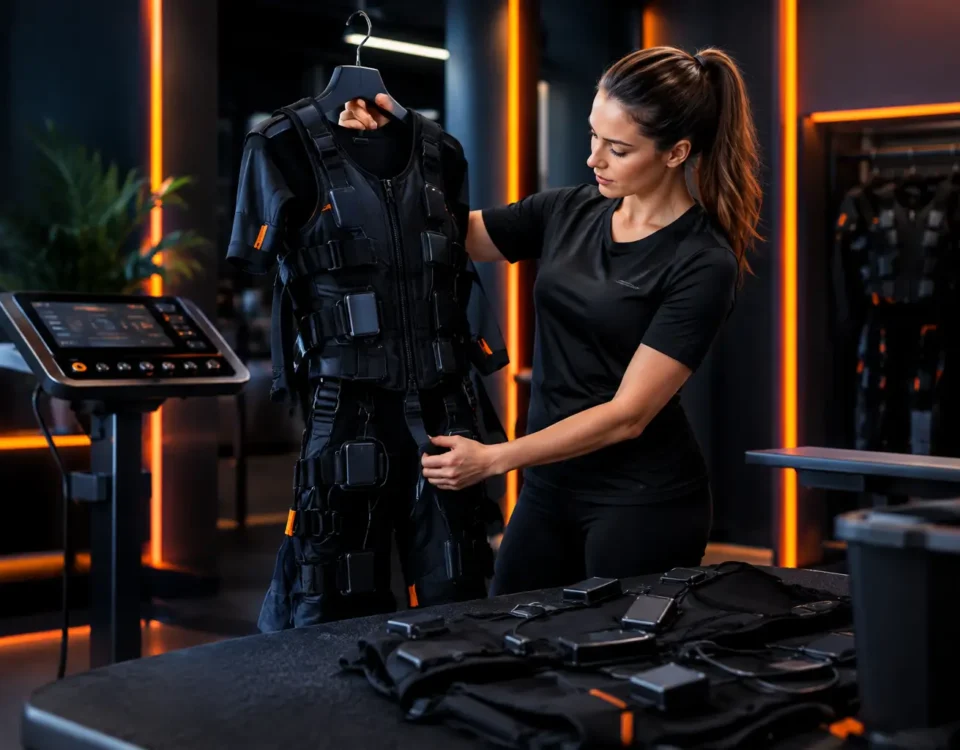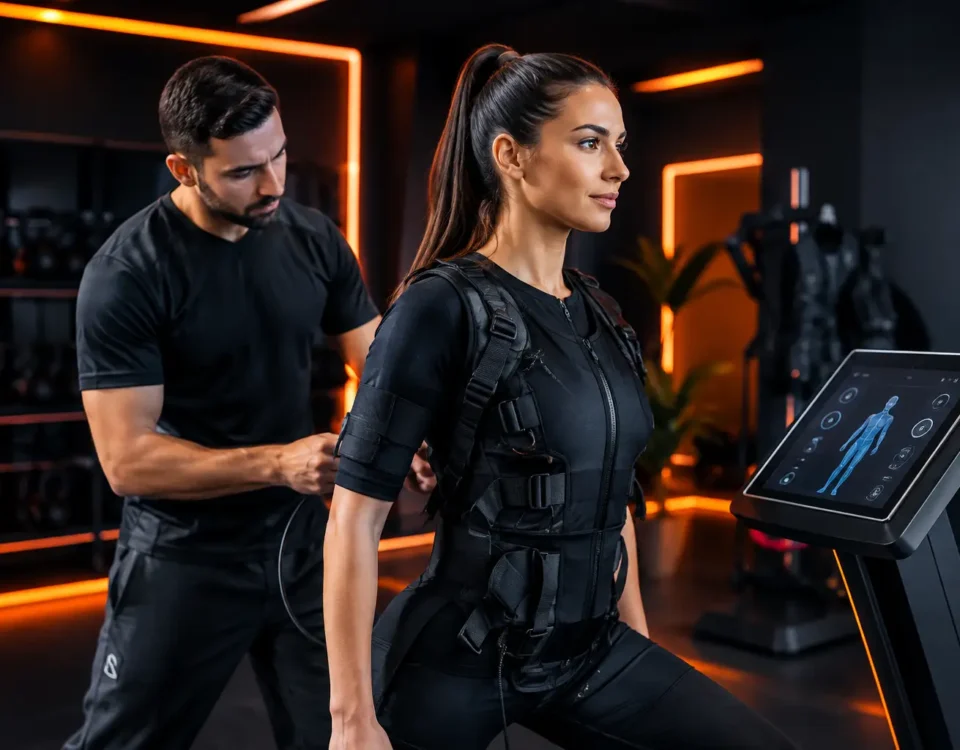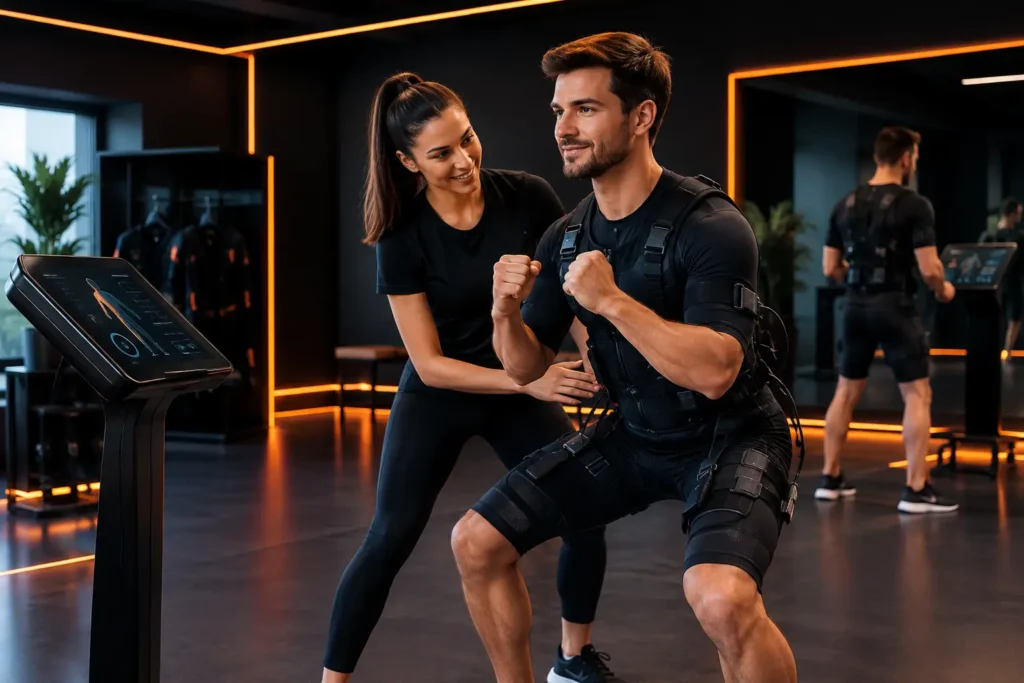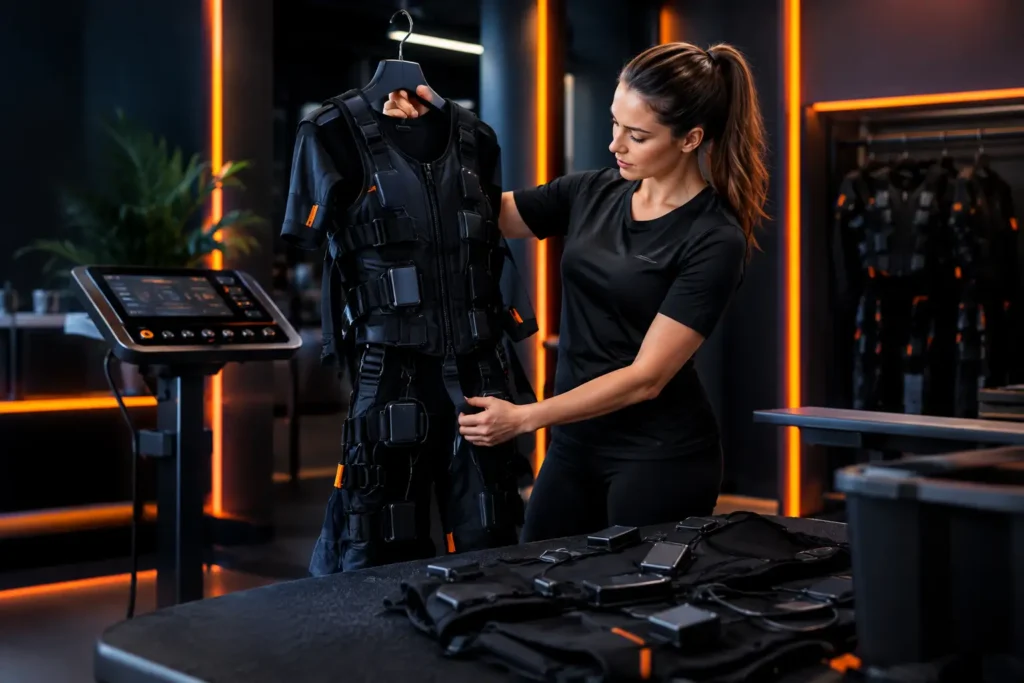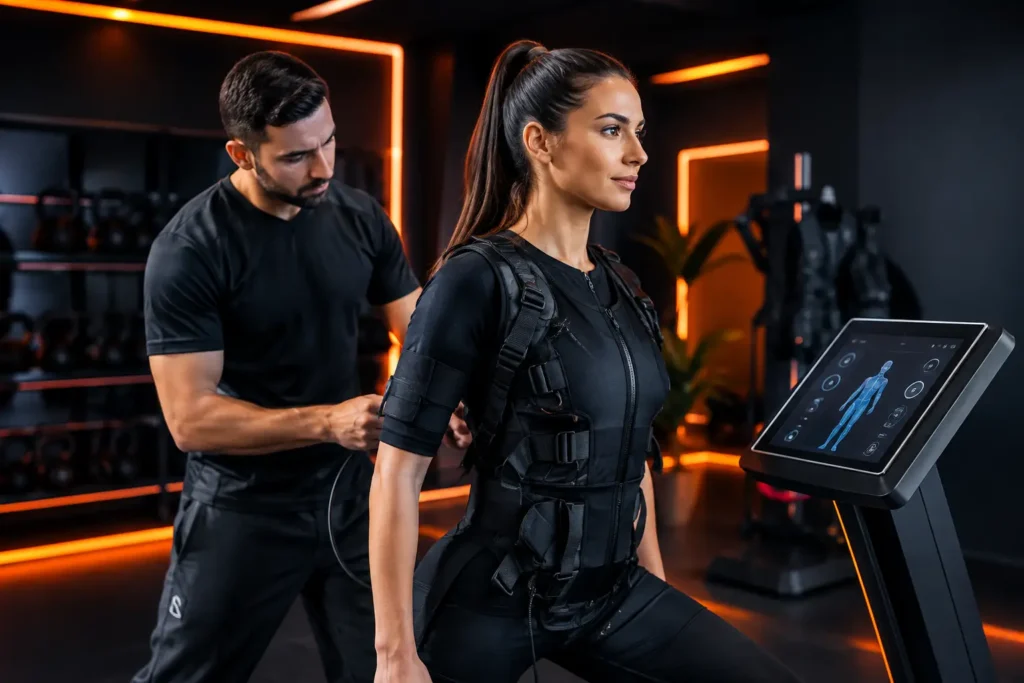

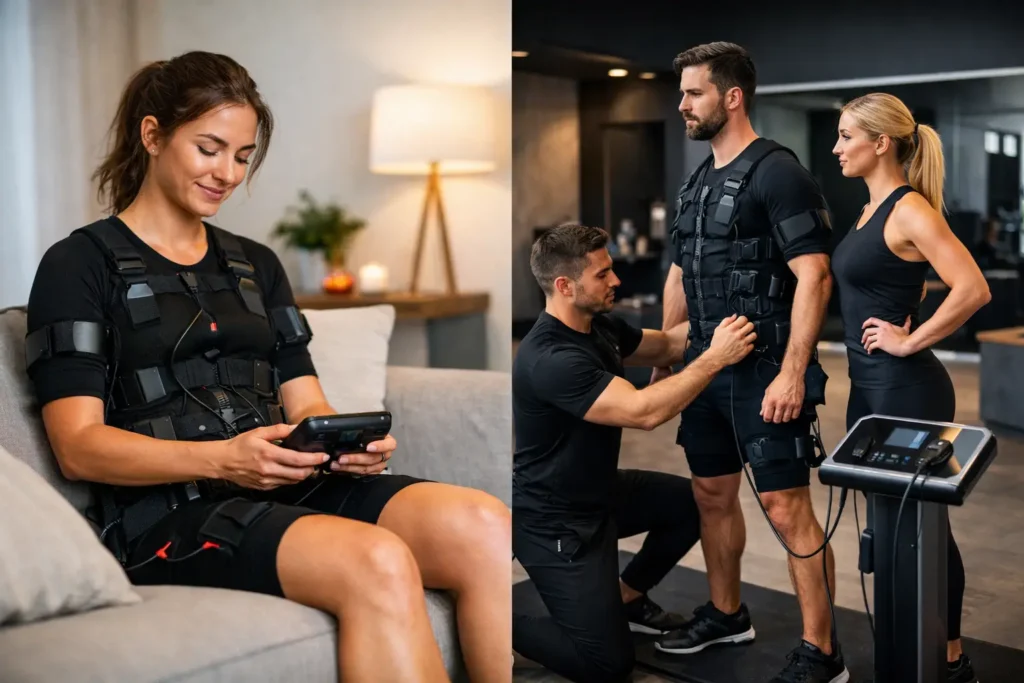
A lot of operators first look at home EMS, personal EMS, portable EMS, mobile EMS, smart EMS, and EMS at home as a consumer trend. The smarter read is commercial. When clients want training where they live, work, or travel, the business question is not whether demand exists. The question is which EMS model lets you serve that demand profitably without building unnecessary overhead.
For trainers, studio founders, clinic operators, and wellness entrepreneurs, this category is not one thing. It includes very different service formats, investment levels, and client experiences. Some models are built for solo operators who want fast market entry. Others are better suited to premium concierge offers or as an extension of an existing studio. If you treat all mobile or at-home EMS concepts as interchangeable, you risk buying the wrong setup for your market.
Why home EMS is a business model, not just a use case
The strongest operators do not start with the device. They start with delivery economics. Home EMS changes where the session happens, but it also changes scheduling, travel time, staffing efficiency, brand positioning, and pricing logic.
A home visit can justify premium pricing when the client values privacy, convenience, and one-to-one attention. That same home visit can also compress margins if travel time eats into your calendar and your territory is too spread out. Portable EMS works well when your average client value is high enough to support lower session density. It works less well when your business depends on back-to-back appointments in a fixed location.
This is why mobile EMS tends to appeal to first-time entrants and independent trainers. It lowers the entry barrier because you do not need to lease and build out a studio before testing demand. But lower overhead does not automatically mean a better business. A studio can process more sessions per day, support multiple trainers, and create stronger operational consistency. The right choice depends on whether your growth plan is built around flexibility or throughput.
Personal EMS and mobile EMS: where operators usually start
Personal EMS is often the clearest entry point because the service proposition is easy to sell. A client gets individual attention, a structured EMS session, and the convenience of training outside a traditional gym environment. For many markets, that combination is commercially attractive from day one.
Mobile EMS adds another layer. It gives the operator freedom to train clients at home, in residential buildings, at offices, in hotels, or inside partner wellness spaces. That flexibility can speed up launch and reduce fixed costs, especially for coaches or wellness professionals who already have an existing client base.
The trade-off is capacity. A solo mobile operator can only serve as many sessions as the day allows after transport, setup, and packing time. That is a solid model for a high-touch service business, but it is not automatically scalable. If your long-term plan is to add staff, increase session volume, or create a multi-client environment, mobile EMS may be your starting point rather than your final structure.
What portable EMS really needs to work
Portable EMS sounds simple on paper: compact equipment, flexible scheduling, low setup cost. In practice, profitable portable operations depend on discipline. The hardware matters, but the operating model matters more.
You need a service area that is realistic, not aspirational. If your clients are scattered across a wide city radius, your day fills with commuting rather than billable sessions. You need a session format that is standardized enough to maintain quality outside a controlled studio environment. And you need onboarding and training that prepare the operator for real delivery conditions, not just equipment basics.
Portable EMS also performs best when paired with clear positioning. General fitness clients may compare you with a local gym membership. Premium clients compare you with convenience-led private services. Corporate clients compare you with employee wellness formats. Each audience responds to a different value message, and the same device will not sell itself across all three.
Smart EMS and the premium angle
Smart EMS is often used as a catch-all phrase, but commercially it usually points to a more refined user experience. Operators use that positioning to signal convenience, modern design, data awareness, cleaner workflows, or a more premium service model.
In a boutique or luxury setting, smart EMS can support a stronger brand story. Clients in that segment are not only buying muscle stimulation sessions. They are buying privacy, professionalism, time efficiency, and a premium environment. For some operators, especially those working in wellness, longevity, hospitality, or VIP personal training, that distinction matters more than technical feature lists.
Still, premium positioning comes with expectations. Session delivery has to feel polished. Staff training has to be consistent. Maintenance and after-sales support become more important because downtime affects client trust quickly in higher-end segments. A premium EMS concept is not built by hardware alone. It is built by execution.
EMS at home versus studio EMS
For many businesses, this is not an either-or decision. EMS at home and studio EMS can complement each other if the service ladder is planned correctly.
At-home sessions are strong for acquisition in certain demographics. They reduce friction for busy professionals, high-income households, post-rehab wellness clients, and people who prefer discretion. Studio sessions are strong for repeatability, higher daily capacity, and team-based growth. One model creates convenience. The other creates operational leverage.
A practical strategy is to use mobile or home EMS as a market-entry model, then expand into a studio once client demand, retention, and local pricing are validated. Another approach is the reverse: build a studio core and add home service only for premium members, recovery programs, or select neighborhoods. Both can work. The wrong move is forcing a home-service model into a market that rewards density, or building a studio before proving demand.
How to choose the right EMS format for your business
The decision gets easier when you look at five business filters: investment level, mobility, client capacity, brand position, and growth path.
If your priority is low initial investment and fast launch, mobile EMS is usually the strongest fit. If your priority is serving more clients per day with a team structure, studio EMS is stronger. If your market responds to exclusivity, travel convenience, and personalized service, home EMS or premium portable EMS can create pricing power. If your long-term plan includes multiple trainers, franchise-style replication, or broader local visibility, a fixed-site model may provide better control.
This is where a consultative supplier relationship matters. Operators do better when they choose equipment around business model logic, not just specifications. Financing flexibility, onboarding, trainer education, spare parts, and practical launch support affect profitability more than most first-time buyers expect. A cheaper entry can become expensive if setup delays, poor training, or weak support slow down commercialization.
Common mistakes in home EMS and portable EMS setups
The first mistake is underestimating logistics. Travel between appointments can destroy utilization if your schedule is not tightly zoned. The second is unclear positioning. If you market your offer as a generic workout, clients will compare it with every cheaper alternative in fitness.
The third mistake is buying without a launch plan. Portable EMS businesses need clear packages, target audiences, retention systems, and realistic calendars from the beginning. The fourth is ignoring support infrastructure. Even experienced trainers can struggle if they lack proper onboarding, replacement parts access, or operational guidance.
Operators who succeed in this category tend to think like business builders, not gadget buyers. They map the service flow, estimate realistic daily capacity, define who the offer is for, and select a system that fits the model. That is a very different process from simply choosing a device.
Where the opportunity is strongest
The opportunity is strongest where convenience has high perceived value. Busy urban professionals, private residential communities, hotel wellness concepts, executive personal training, boutique recovery services, and selective corporate wellness programs are all practical channels. In these segments, mobility is not a side benefit. It is part of the product itself.
That said, not every market is ideal for a home-first model. In some areas, clients are price sensitive and location-based businesses perform better. In others, a mobile offer is the perfect test vehicle before expanding. Experienced suppliers such as EMS Leader typically guide operators through that distinction because the right commercial setup depends on client density, session pricing logic, and your intended scale.
If you are evaluating home EMS or portable EMS, the smartest move is to stop asking which device is best in isolation. Ask which business model gives you the clearest path to launch, the cleanest route to repeat bookings, and the strongest chance to grow without operational friction. That is where real momentum starts.