
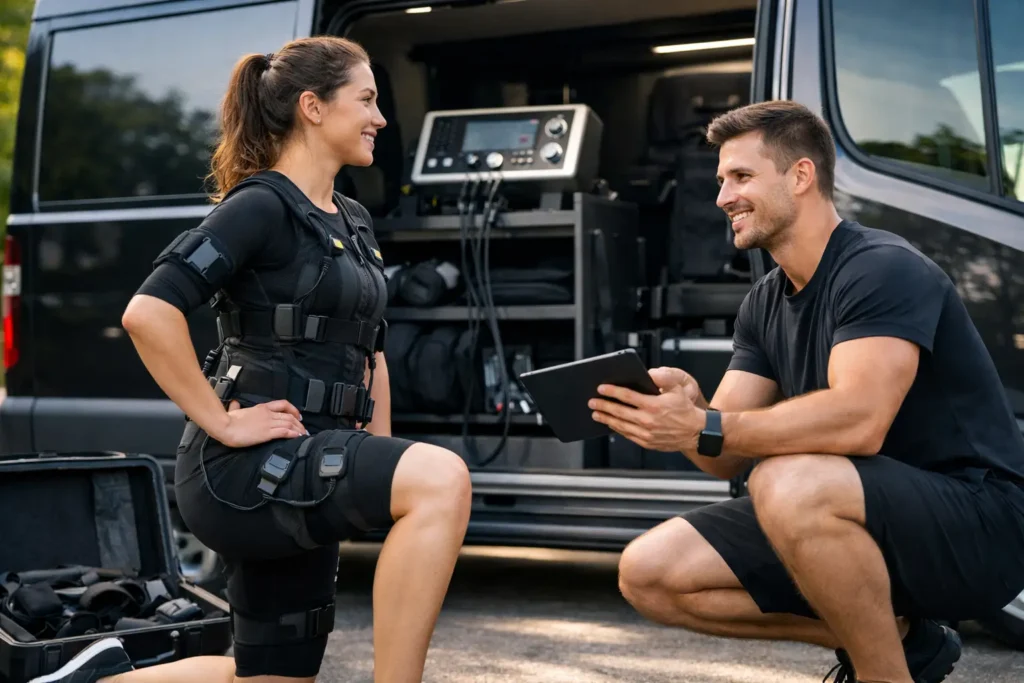
A mobile model gives a qualified coach something a fixed studio cannot: the ability to bring a premium, time-efficient service directly to the client. To launch a mobile EMS coaching business, however, you need more than portable equipment and a car. You need a clear commercial model that protects your time, creates predictable revenue, and delivers a professional experience in every location.
For personal trainers, wellness operators, and fitness entrepreneurs, mobile EMS can be a practical entry point into the market. The investment is generally lower than opening a studio, the overhead is easier to control, and you can validate local demand before committing to a permanent facility. The trade-off is that logistics become part of your service. Your schedule, service area, setup process, and client mix must all work together.
Start With a Mobile EMS Business Model That Fits
Mobile EMS is strongest when it is positioned as a private, appointment-based coaching service, not as a low-cost substitute for a gym membership. Your client is paying for convenience, individualized attention, and an organized training experience at home, in an office, at a hotel, or in a private wellness setting.
Before choosing equipment, decide who you intend to serve. A coach working with busy professionals in central business districts will need a different schedule and travel radius than one serving residential clients or luxury hospitality partners. The same applies to pricing. A single-session model may help attract early clients, but packages and recurring memberships create a more stable operating base.
A practical launch plan defines three things from the beginning: your ideal client, your service territory, and your weekly delivery capacity. If you can realistically complete four to six quality sessions per day after accounting for travel, setup, cleaning, and administration, build your revenue plan around that capacity rather than an optimistic calendar.
Choose Your Positioning Before Your Equipment Package
Equipment should support your offer, not define it. A mobile operator usually needs a dependable, transportable EMS system, enough garments and accessories to maintain hygiene standards, secure storage, and a simple way to manage bookings and payments. Battery performance, wireless range, durability, ease of cleaning, and available technical support matter more in the field than they might in a fixed location.
Flexible access models such as rental, rent-to-own, or direct purchase can change the risk profile of your launch. Rental can preserve cash while you build demand. Ownership may make more sense when you already have a client base, capital reserves, or a clear expansion plan. The right decision depends on your expected volume, available working capital, and how quickly you want to test the market.
Build the Service Around Profitable Routes
The biggest threat to a mobile EMS coaching business is not a lack of interest. It is unprofitable travel. A calendar that appears full can still underperform if each appointment requires long drives, parking delays, and scattered locations.
Start with a tight service radius. Group appointments by neighborhood, office building, or partner venue, and assign specific days to specific zones. This lets you serve more clients without rushing the coaching experience. It also makes your availability easier to explain and protects the margins built into your session price.
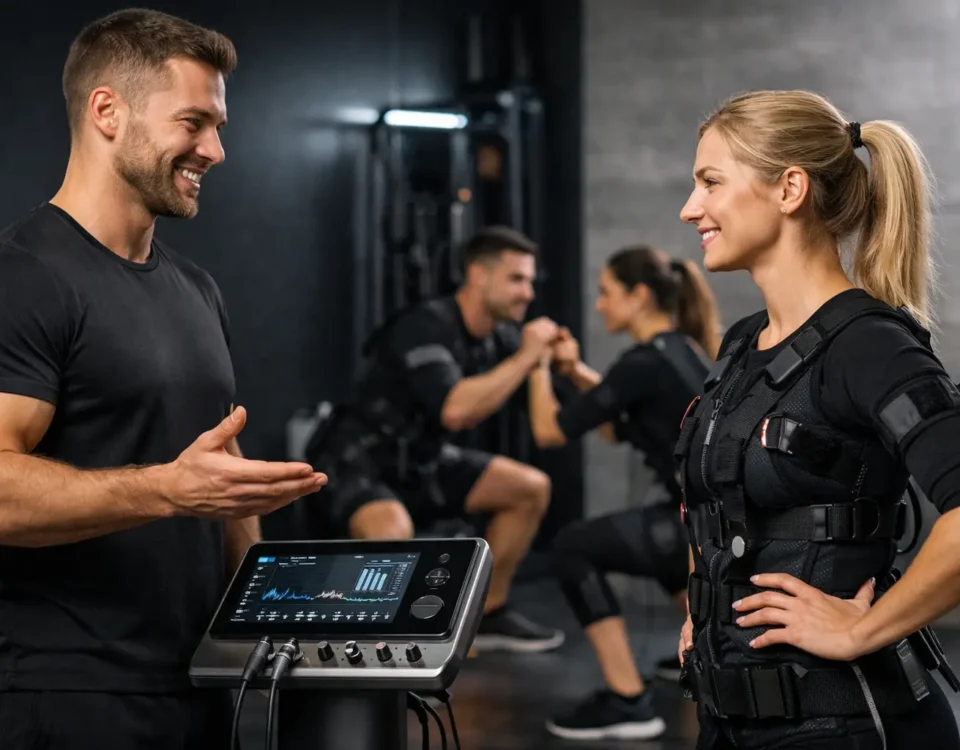
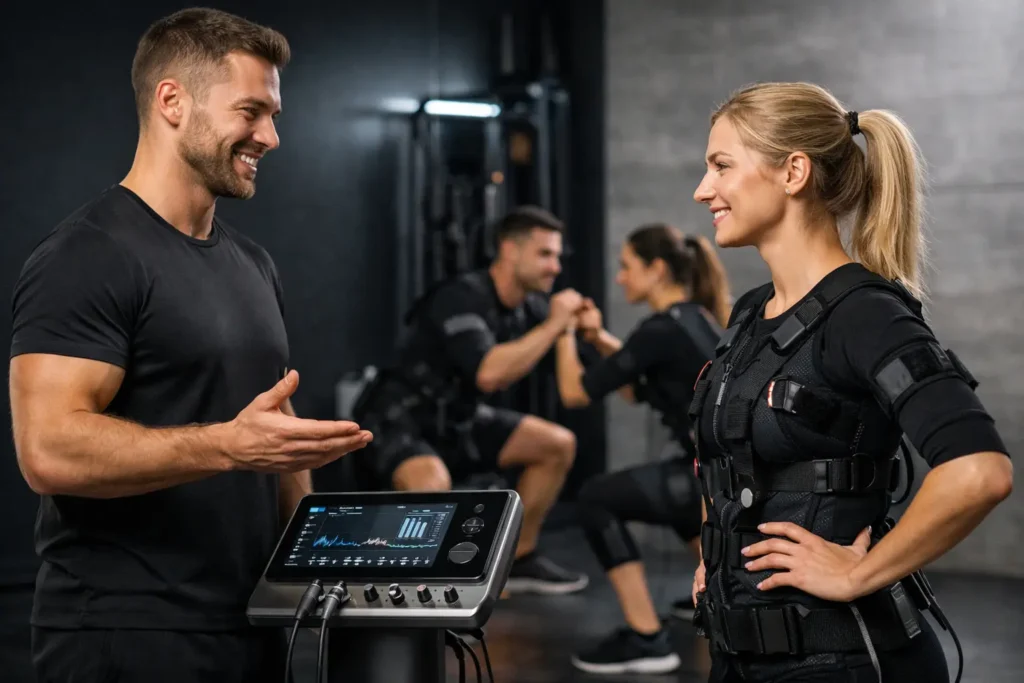
Consider several delivery formats instead of relying on one-to-one sessions alone. Private coaching can be your highest-value service, while paired sessions, corporate wellness blocks, or recurring hotel and residential partnerships can improve utilization. Each format has different operational demands, so price it according to setup time, travel, consumables, and the level of personal attention required.
| Service format | Best use case | Commercial advantage | Operational consideration | |—|—|—|—| | Private in-home session | Premium convenience clients | Strong pricing power | Travel time must be controlled | | Paired appointment | Couples or friends | More revenue per location | Match schedules and goals carefully | | Corporate wellness block | Offices and teams | Multiple sessions in one stop | Requires clear booking coordination | | Partner venue sessions | Hotels, residences, wellness spaces | Access to qualified audiences | Revenue share or space rules may apply |
Do not set prices by looking only at competitors or standard personal training rates. Calculate the full cost of delivering one appointment. Include travel, vehicle expenses, insurance, equipment financing, garment care, payment processing, software, marketing, and the non-billable time between clients. Then decide what margin your business needs to remain viable as you grow.
Create a Client Journey That Feels Professional
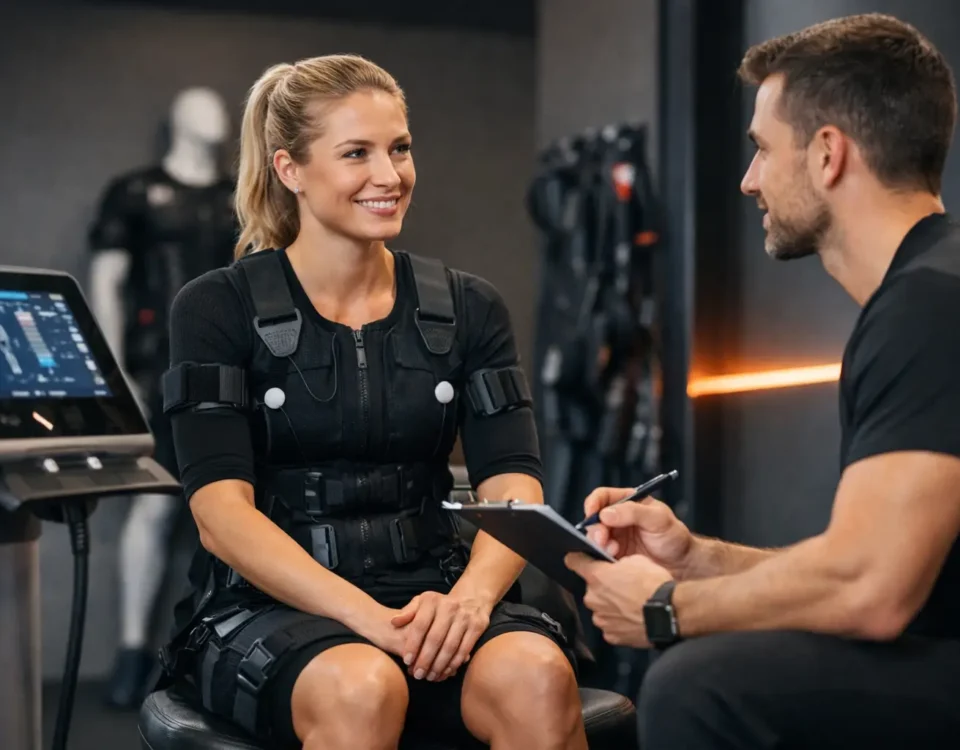
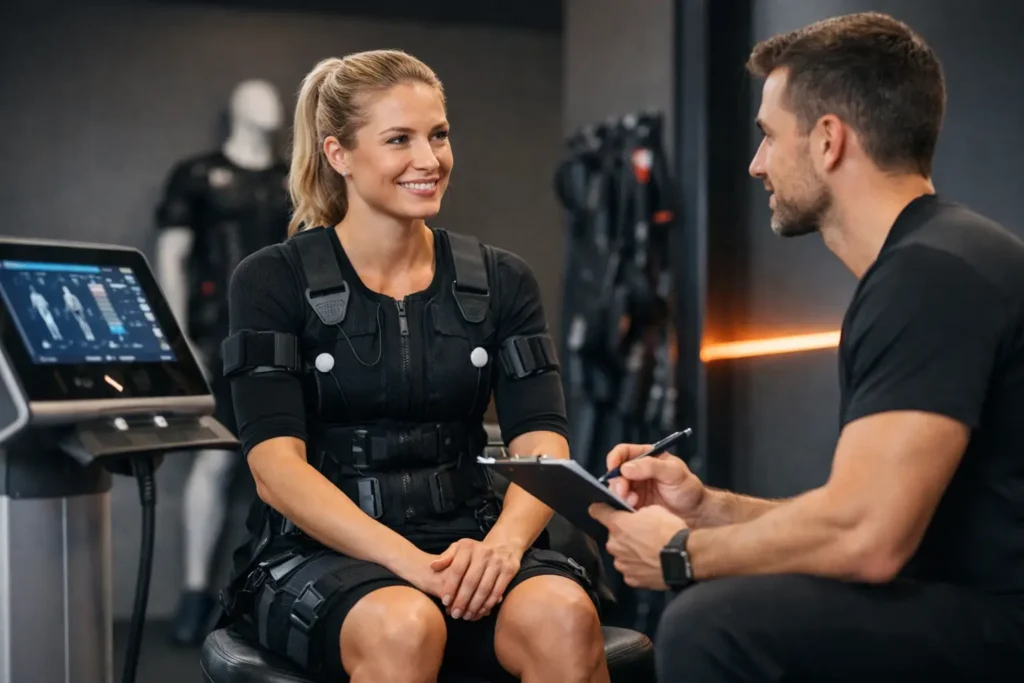
Mobile coaching wins when it feels organized from the first inquiry. Clients need to understand what to expect, how long the appointment takes, what space is required, what they should wear, and how cancellations are handled. A clear process reduces last-minute friction and reinforces the value of your service.
Your onboarding should include appropriate health screening, informed consent, goal-setting, and an explanation of the training format. Work within applicable regulations, insurance requirements, equipment instructions, and your professional scope of practice. If a prospective client requires medical assessment or specialized clinical supervision, refer them to an appropriate qualified provider rather than trying to force a fit.
At the session itself, consistency matters. Arrive with a clean, complete kit. Set up efficiently. Keep client records secure. Follow a repeatable coaching protocol while still adapting the session to the individual. A mobile business cannot rely on impressive premises to establish credibility, so your preparation, communication, and standards become the brand experience.
Make Retention Part of the First Sale
A new client is not yet a sustainable business. Your aim is to convert interest into a structured coaching commitment. That does not mean using pressure. It means explaining how session frequency, progression, scheduling, and accountability work, then offering a package that aligns with the client’s stated goals and availability.
The best retention system is simple: schedule the next appointments before you leave, send concise follow-up communication, and review progress at regular intervals. Clients who see that their coach has a plan are more likely to stay engaged than clients who must rebook from scratch every week.
Market Locally Without Spreading Yourself Thin
A mobile launch needs local visibility, not broad, unfocused exposure. Begin where your ideal clients already spend time: premium residential buildings, business districts, wellness communities, boutique hospitality, and complementary service providers. A referral relationship with a physiotherapy practice, concierge service, high-end residential manager, or personal training professional may generate better leads than a large general advertising campaign.
Your message should be commercial and specific. Lead with private coaching, efficient appointments, and the convenience of training at a location that suits the client. Avoid broad promises. Be clear about what your service includes, who it is for, and how booking works.
Early on, track a small set of numbers every week: inquiries, consultations, conversion rate, sessions delivered, average revenue per client, travel time, and recurring bookings. These figures tell you where the business is actually gaining traction. If inquiries are high but conversions are low, refine your consultation and offer. If revenue is steady but travel is excessive, reduce your service radius or reorganize route days.
Plan for Support Before You Need It
Equipment downtime is especially costly for a mobile operator because there is no backup location to protect the appointment. Ask practical questions before committing to a system: What training is included? How are spare parts handled? What warranty coverage applies? Is technical support available when you need it? Can you expand into a studio model later if demand outgrows your schedule?
This is where a business-entry partner can make a real difference. EMS Leader supports operators with equipment access, onboarding, training, business model planning, and after-sales support, helping reduce the gaps that often slow a first launch. The objective is not simply to put a device in your vehicle. It is to build an operating model you can run confidently.
A mobile EMS business can remain a focused, high-value solo practice, or it can become the first stage of a larger studio, corporate wellness, or premium concierge concept. The right path depends on your market and your appetite for managing people, premises, and fixed costs.
Start lean, but do not start casually. Build a route that makes financial sense, choose support that protects your operations, and deliver every session with the discipline of an established business. That is how a mobile service earns the right to grow.