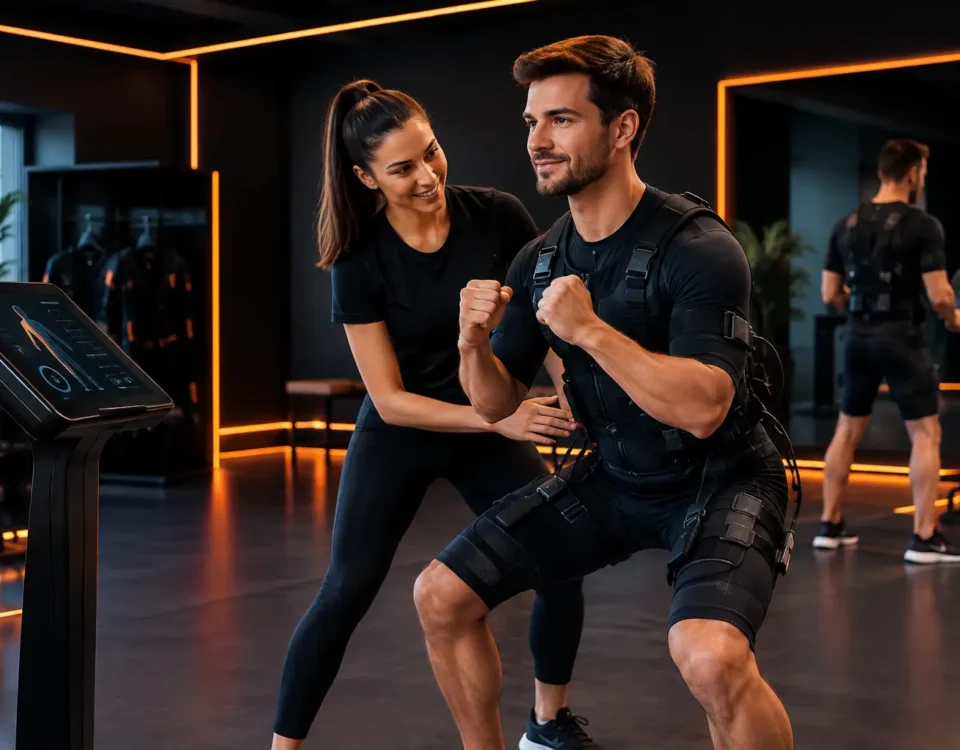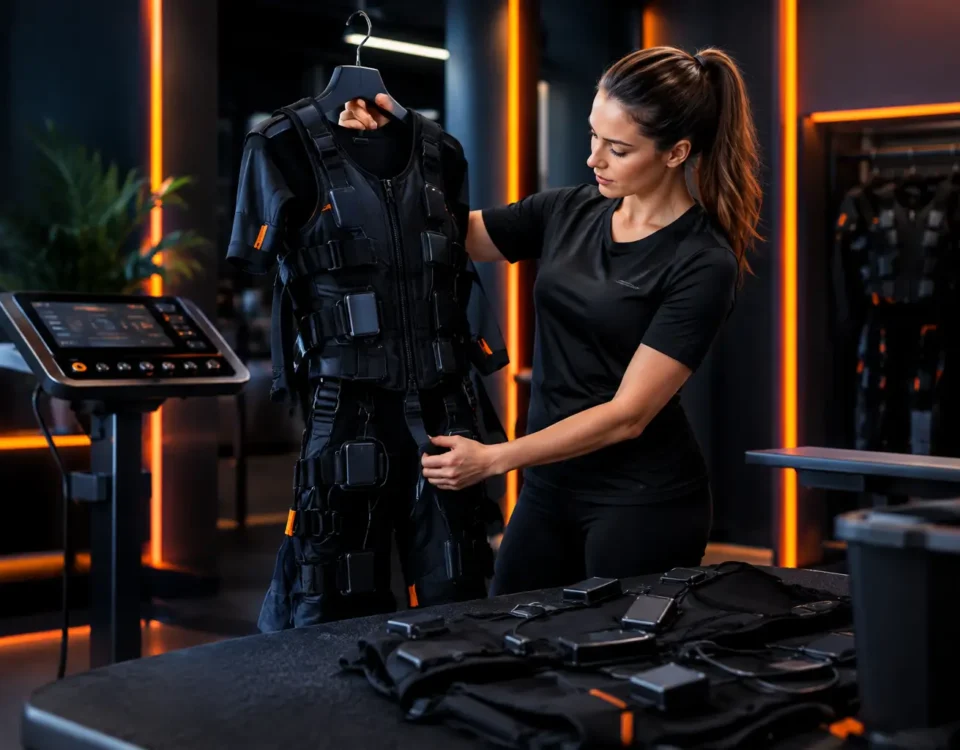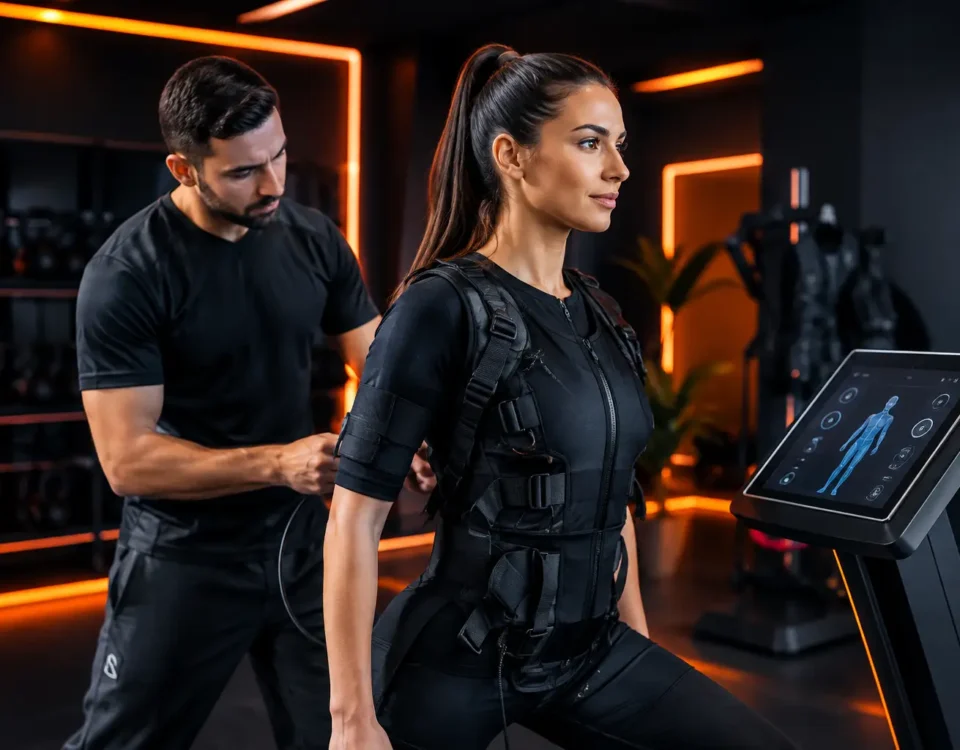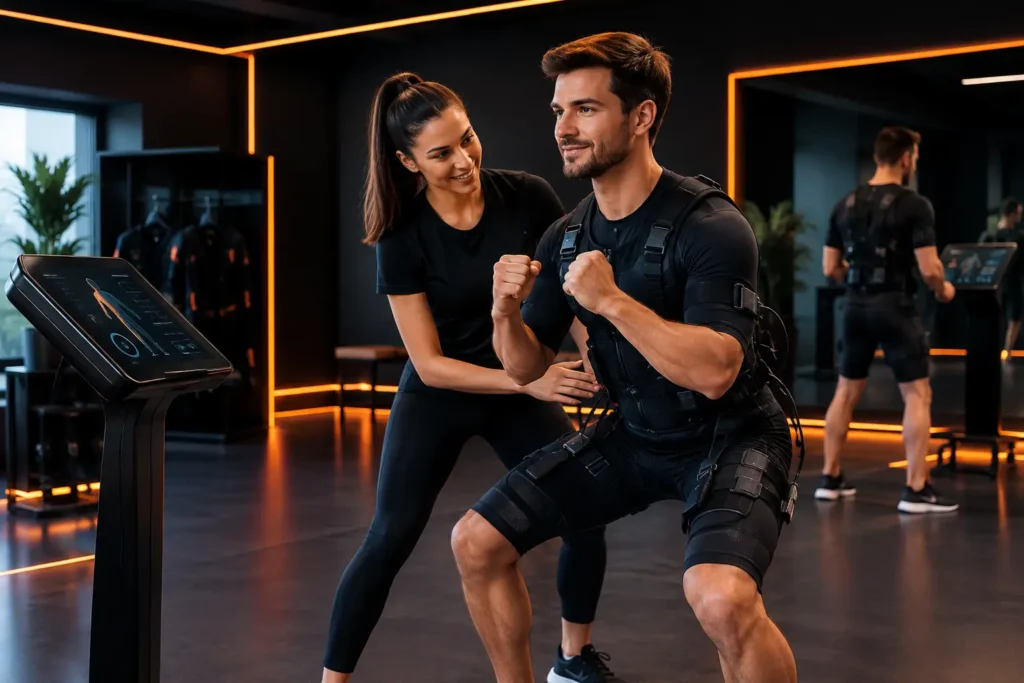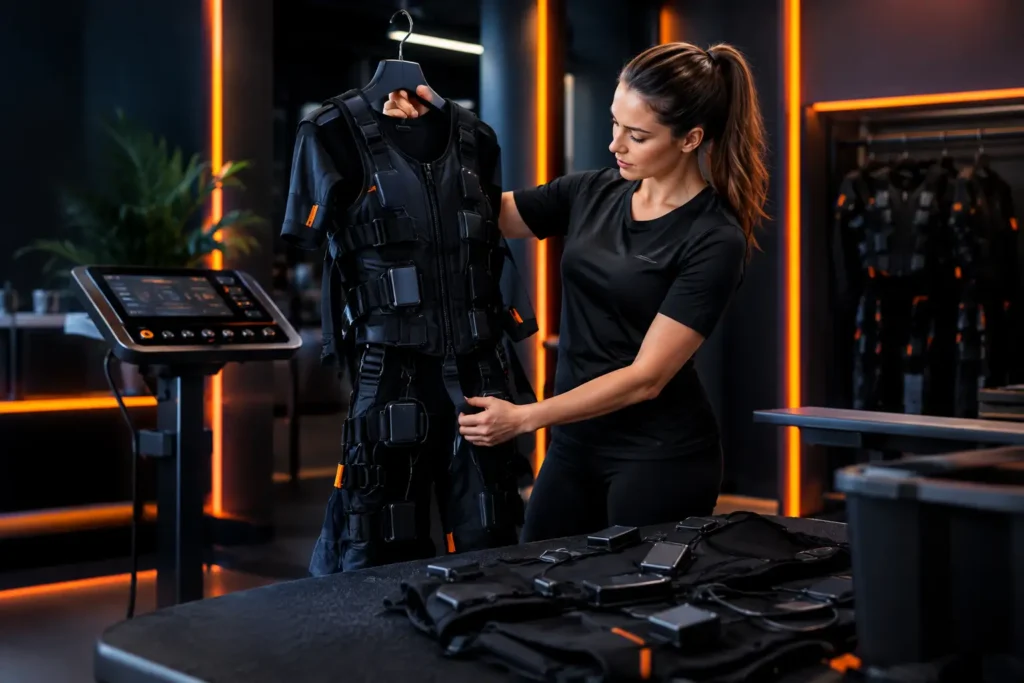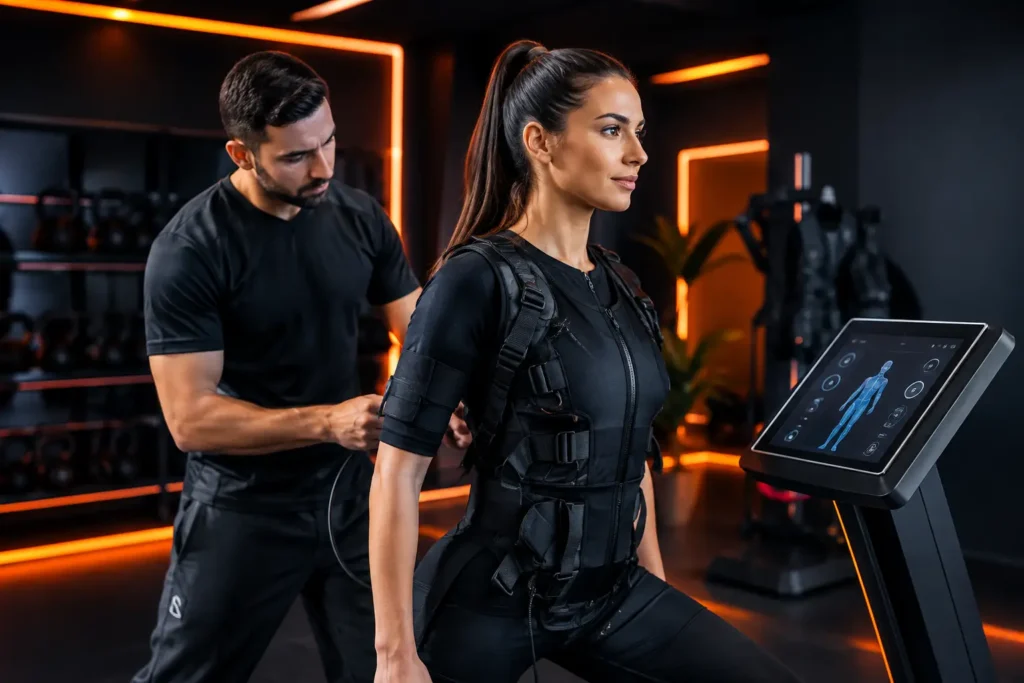

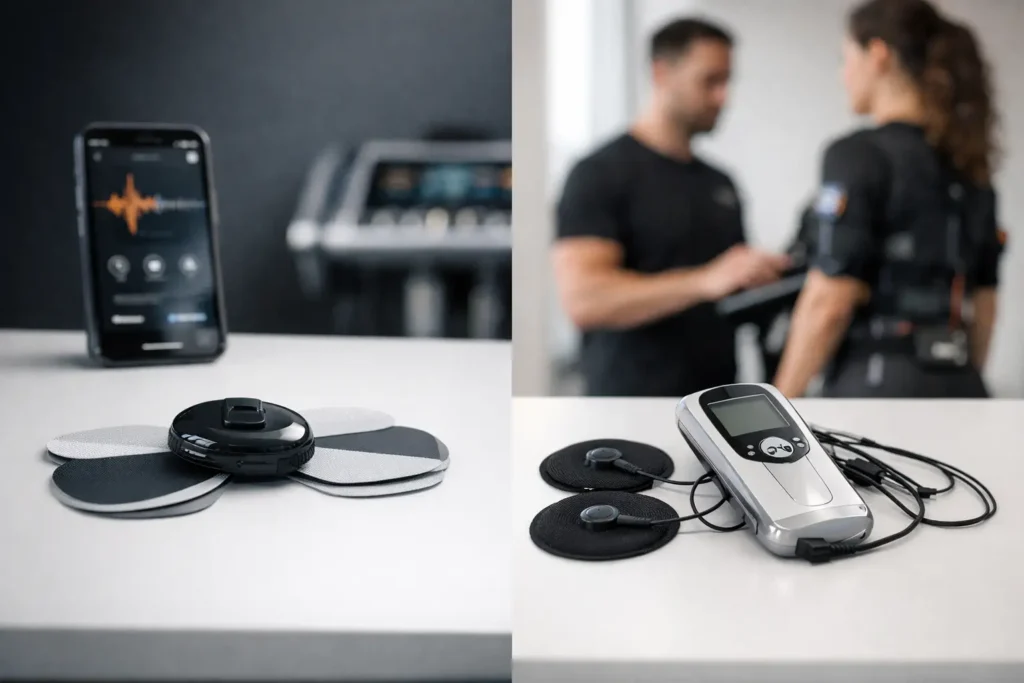
A trainer working with five clients a day does not need the same EMS setup as a boutique wellness concept selling premium private sessions. That is where terms like wireless stimulator, home stimulation, ems app, personal stimulator start to matter. They sound similar on the surface, but from a business perspective they point to very different operating models, client expectations, and revenue structures.
Why wireless stimulator, home stimulation, ems app, personal stimulator are not the same decision
Many buyers enter the EMS category focused on hardware first. They ask about channels, battery life, garment type, or whether the system is compact enough to transport. Those details matter, but they are not the first decision. The first decision is commercial: how do you plan to deliver EMS, to whom, and at what service level?
A wireless stimulator usually signals mobility, clean setup, and a more premium user experience. A personal stimulator often suggests a smaller-scale format, typically associated with one-to-one use or a compact operating model. Home stimulation points toward service delivery outside a fixed studio, which changes logistics, scheduling, and support needs. An EMS app adds another layer, because software affects coach control, session consistency, data handling, and ease of onboarding.
If you treat these as interchangeable labels, you risk buying a system that fits the technology spec sheet but not the business itself.
Start with the business model, not the device
For most operators, the right EMS investment becomes clearer when viewed through delivery format.
Mobile and home stimulation businesses
If your plan is to travel to clients, partner with concierge wellness providers, or serve private households, home stimulation is more than a feature. It becomes the core of the service model. In that scenario, portability, setup speed, and reliability under changing conditions matter more than having the largest possible station.
A wireless stimulator can be a strong fit here because it reduces cable management, shortens setup friction, and supports a cleaner client experience in non-studio environments. But mobility has trade-offs. You need battery discipline, transport-safe accessories, and a workflow that works in real homes, hotels, offices, or recovery rooms. The best mobile setup is not always the most advanced one. It is the one that keeps appointments on time and the operator in control.
Studio-based EMS operations
A studio has different priorities. Throughput, consistency, staff training, and maintenance routines become more important than transportability. If multiple coaches are delivering sessions across the day, software control and repeatable programming matter just as much as the stimulator itself.
This is where an ems app can shift from being a nice add-on to an operational tool. App-based control can simplify session setup, support trainer consistency, and make it easier to manage programs across different clients. That said, not every operation needs app-heavy complexity. A smaller studio with one highly experienced operator may value simplicity over expanded software layers.
Premium private and boutique concepts
A premium model usually sells convenience, privacy, and experience as much as training time. In that segment, a wireless stimulator often carries stronger commercial value because it supports a cleaner visual environment and a more polished session flow. Clients notice the difference between a technically functional setup and one that feels premium from arrival to finish.
Here, a personal stimulator may fit well if the service is intentionally private, personalized, and high-touch. But the term only becomes meaningful if the full operating model supports it. Premium positioning is not created by the device alone. It comes from coaching quality, presentation, environment, and service packaging.
The role of the EMS app in daily operations
Software is often underestimated during the buying process. Operators focus on the suit, the module, or the mobility benefit, then discover later that software affects almost every part of delivery.
An ems app can improve control, but only if it matches the operator’s workflow. For a solo trainer, app control may help standardize sessions and reduce manual setup time. For a multi-coach business, it may support faster onboarding and more consistent delivery between staff members. For premium concepts, it can strengthen the perception of a modern, managed service.
Still, app-based systems are not automatically better for every business. They introduce dependence on device compatibility, user interface quality, and staff adoption. If the software is awkward, slow, or overbuilt for the use case, it can create friction instead of efficiency. The right question is not whether the system has an app. The right question is whether the app helps the business deliver better sessions with less operational drag.
What buyers often miss about a personal stimulator
The term personal stimulator can create the impression of a simpler entry point. In some cases, that is true. A more compact setup may lower operational complexity and suit solo operators entering the market with controlled investment. It can work especially well for appointment-only coaching, home visits, or niche private services.
But smaller format does not automatically mean easier commercialization. If your client acquisition plan depends on volume, multiple simultaneous sessions, or rapid scaling into a studio model, a personal stimulator may feel limiting sooner than expected. The issue is not quality. It is capacity.
That is why serious operators should evaluate not just what the current setup can do, but what the business needs six to twelve months after launch. Expansion costs usually feel higher when the first system was chosen too narrowly.
Choosing the right setup for client flow and revenue logic
A strong EMS purchase decision connects directly to client flow.
If your business will run mostly one-to-one appointments with flexible locations, home stimulation supported by a wireless stimulator may offer the fastest path to launch. It keeps overhead lower and supports a service-first model. If your plan is to build a structured studio with repeatable staffing and higher daily session counts, then software control, support infrastructure, and scale readiness matter more.
This is also where financing model and supplier support become practical decision factors, not just commercial details. Rental or rent-to-own can make sense when the goal is to protect cash flow while validating demand. Direct purchase may fit businesses with a clear concept, strong launch plan, and confidence in throughput. Neither route is universally better. It depends on how fast you need to launch, how much flexibility you want, and how much operational support comes with the system.
The best EMS system is the one that can actually be commercialized
That point is easy to miss in a category where product features get most of the attention. A system may look impressive in a brochure, but if it does not align with your service model, staffing level, and market position, it becomes expensive friction.
Commercial buyers should evaluate four things together: delivery format, client capacity, operator control, and support after purchase. Hardware matters. Software matters. Training matters. Business guidance matters too, especially for first-time entrants building around EMS rather than simply adding it to an existing offer.
This is why consultative suppliers tend to create stronger outcomes than transaction-only sellers. If the conversation includes launch model, mobility needs, premium positioning, staff onboarding, and expected utilization, the equipment decision becomes sharper. That approach is especially useful for professionals comparing mobile EMS, studio EMS, and dry wireless concepts across different market segments.
For operators entering the category with growth in mind, the real goal is not to buy a wireless stimulator or personal stimulator in isolation. The goal is to choose an EMS setup that fits how the business will be sold, delivered, and scaled. Companies like EMS Leader build around that reality by pairing equipment access with training, setup support, and commercialization guidance.
The strongest investment is rarely the one with the longest feature list. It is the one that makes your service easier to launch, easier to sell, and easier to run next month when the calendar starts filling up.