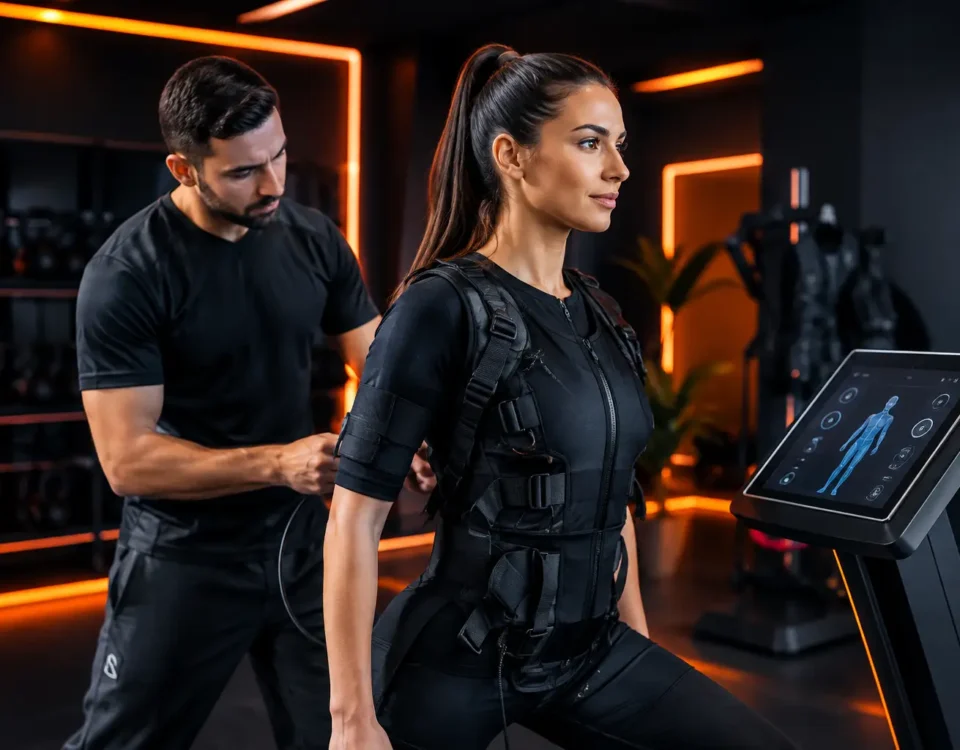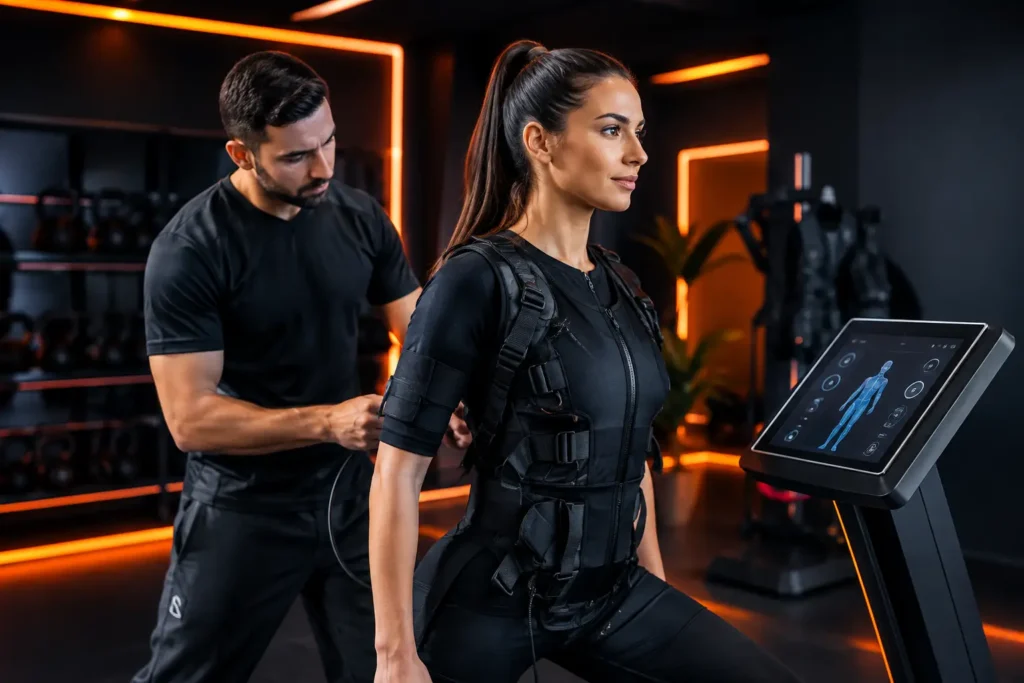

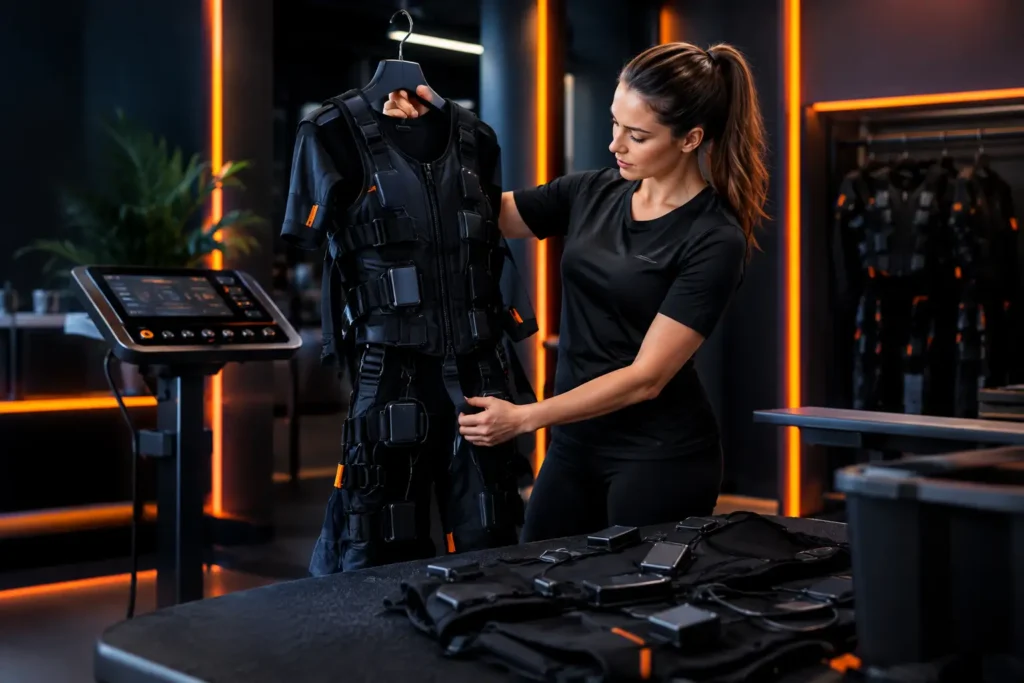
A canceled EMS session is rarely caused by one dramatic failure. More often, it starts with small operational shortcuts: a suit stored while damp, a connector pulled by its cable, or a damaged electrode noticed only when a client is already waiting. Consistent EMS suit maintenance prevents these avoidable disruptions and protects the client experience your business is built on.
For a mobile trainer, one unavailable suit can remove a full day of appointments. For a studio, repeated equipment issues can slow turnover, create hygiene concerns, and make staff less confident during sessions. Maintenance is therefore not a back-room technical task. It is part of capacity management, brand protection, and long-term equipment planning.
Why EMS suit maintenance is a business priority
An EMS suit operates in a demanding environment. It is exposed to sweat, repeated movement, washing cycles, transport, charging routines, and frequent handling by different team members. Over time, wear can affect fit, conductivity, cable connections, fasteners, and overall session consistency.
The direct cost of neglect is replacement expense. The larger cost is operational: lost bookings, staff time spent troubleshooting, interrupted client progress, and a service that feels less premium than your pricing suggests. Well-managed equipment supports predictable scheduling and gives clients confidence that every session will be prepared to the same standard.
The right routine depends on your business model. A mobile EMS operator needs compact processes that work between appointments and during transport. A high-volume studio needs a clear handoff system so suits are cleaned, checked, and ready for the next session without relying on memory. Premium dry wireless concepts may have different garment and charging requirements, but they still need documented inspection and storage practices.
Build a maintenance routine around every session
The strongest maintenance systems are simple enough that staff will actually follow them. Divide responsibility into three moments: before the session, immediately after it, and at the end of the operating day.
Before each client: inspect, fit, and test
Before fitting the suit, perform a quick visual and functional check. Look at the garment fabric, closures, electrode areas, cables or connection points, and control unit interface. Confirm that the suit is dry and that no residue from a previous session remains.
Check that connectors are fully seated without forcing them. Cables should be handled by the connector housing rather than pulled from the wire itself. If your system uses a battery or wireless module, verify the charge level before the client arrives. A low battery discovered halfway through a session is not a minor inconvenience – it disrupts coaching flow and reduces perceived professionalism.
Fit matters as much as hardware condition. A poorly fitted suit may shift during movement and create an inconsistent training experience. Train staff to check positioning calmly and consistently, rather than adjusting equipment repeatedly once the session has started.
After each client: clean without damaging components
Post-session cleaning should begin as soon as the suit is removed. Sweat and moisture left on textile surfaces can affect hygiene, create odors, and accelerate material deterioration. Follow the manufacturer’s approved cleaning method for your specific suit, including instructions for detachable components, washable garments, electrode panels, and control modules.
Do not treat all EMS systems the same. Some suits are designed for particular washing temperatures, detergents, drying methods, or disassembly steps. Using aggressive chemicals, excessive heat, or an unapproved wash cycle may shorten garment life and can affect warranty coverage. When in doubt, use the documented care instructions supplied with the system rather than adopting a generic gym-laundry routine.
Allow cleaned garments and components to dry fully before storage or reuse. Rushing a damp suit into a closed case may save minutes now and create odor, corrosion, or hygiene issues later. For busy studios, sufficient suit inventory is often a more profitable decision than forcing rapid turnaround on a limited number of garments.
At closing: prepare tomorrow’s capacity
The final check of the day should confirm that suits are clean, dry, stored correctly, and matched with the right accessories. Recharge units according to the manufacturer’s guidance. Avoid leaving batteries in unsuitable temperatures or connecting damaged charging equipment.
A simple status system can prevent confusion at opening. Label equipment as ready, drying, under inspection, or out of service. This allows coaches to make fast decisions and prevents an unapproved suit from returning to the session floor. In a studio environment, this is especially valuable when multiple trainers share equipment across shifts.
Protect the parts that fail first
Not every component wears at the same rate. Garments, connection points, closures, cables, and charging accessories deserve extra attention because they experience the most frequent contact and movement.
Watch for four common warning signs:
- Fraying fabric, weakened seams, or closures that no longer hold the suit securely
- Cracked connectors, bent pins, loose cable ends, or intermittent connections during setup
- Electrode areas that show surface damage, uneven response, or cannot be cleaned properly
- Batteries, chargers, or control modules that heat unusually, lose charge faster than expected, or show recurring error messages
Remove questionable equipment from service until it has been assessed. Continuing to use a damaged suit to avoid one missed booking can create a bigger downtime problem later. It also puts staff in the position of improvising during a paid session, which is never a scalable operating model.
Storage and transport determine equipment lifespan
Storage is often overlooked because it happens after the visible work is done. Yet how suits are stored has a major influence on their usable life. Garments should be fully dry, folded or hung in a way that avoids excessive strain, and kept away from direct sunlight, moisture, dust, and extreme temperatures.
For mobile EMS businesses, transport requires an added layer of discipline. Use a dedicated, clean equipment case with separate compartments for garments, electronic units, charging accessories, and cleaning supplies. Do not pile heavy items on top of suits or allow cables to tangle loosely in the case. A mobile setup earns its flexibility from being ready to deploy, not from being packed quickly and repaired later.
Studios should designate a storage zone that separates clean inventory from used or drying items. This reduces cross-contamination risk and makes inventory counts easier. It also gives your team a visual signal that equipment care is a defined operating standard, not an optional task when the schedule is quiet.
Create a replacement plan before you need one
Maintenance will extend equipment life, but it cannot eliminate normal wear. The practical question is not whether items will eventually need replacement. It is whether your business will be prepared when they do.
Track each suit, accessory set, and electronic unit by purchase or deployment date, usage level, repair history, and current condition. A basic spreadsheet or equipment log is sufficient for many operators. The goal is to identify patterns: which suits are used most often, which components need more frequent attention, and whether certain handling habits are increasing wear.
Keep critical spare parts based on your service model. A solo operator may need one backup garment and essential charging or connection accessories. A multi-coach studio may require a larger buffer so a single repair does not reduce peak-hour capacity. The correct level of backup depends on booking volume, supplier lead times, and the revenue impact of taking a station out of service.
This is also where after-sales support matters. Choose an equipment partner that can provide clear care guidance, training for your staff, warranty support, and access to appropriate spare parts. EMS Leader approaches equipment support as part of business continuity because operators need more than a system at launch – they need a workable path to keep it producing revenue.
Train the team, not just the technician
Equipment care should be included in staff onboarding and refreshed regularly. Every coach should know the approved cleaning process, proper connection and disconnection technique, basic pre-session checks, and the escalation process for a fault. If only one person understands the system, your operation becomes vulnerable whenever that person is unavailable.
Document the routine in short, visible checklists near the equipment area. Keep the instructions practical: what to inspect, what to clean, what to charge, what to log, and when to remove an item from service. Avoid overly complicated forms that staff will rush through. The best checklist is the one that catches problems before they affect a client.
A well-maintained EMS suit does more than last longer. It helps your team deliver consistent sessions, protect schedule capacity, and operate with the confidence clients expect from a professional EMS business. Treat every cleaning cycle and inspection as a small investment in tomorrow’s bookings.