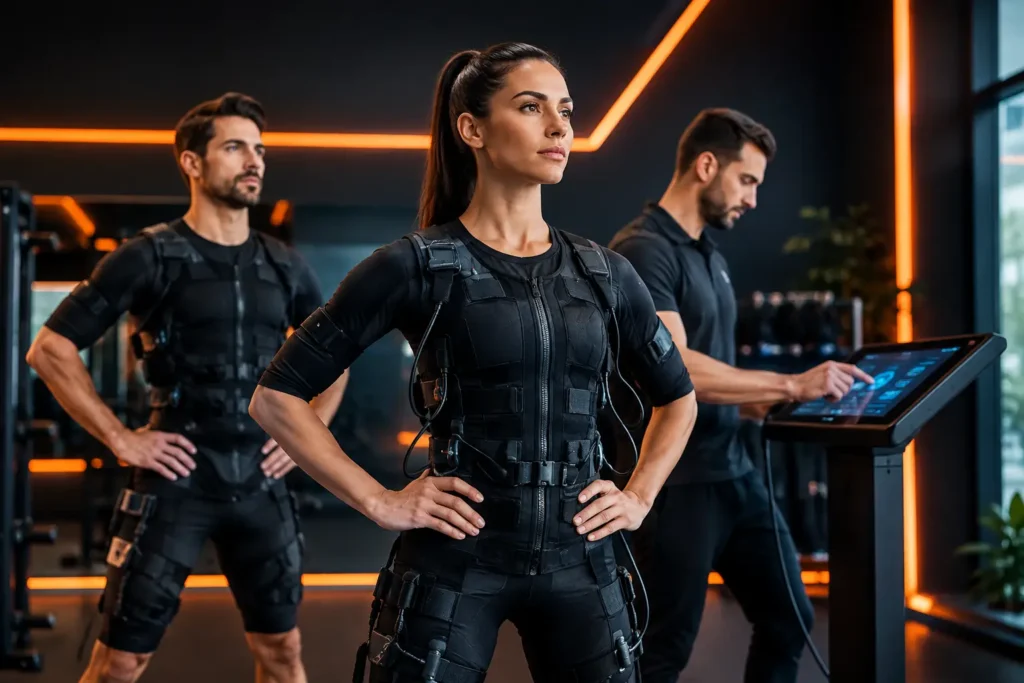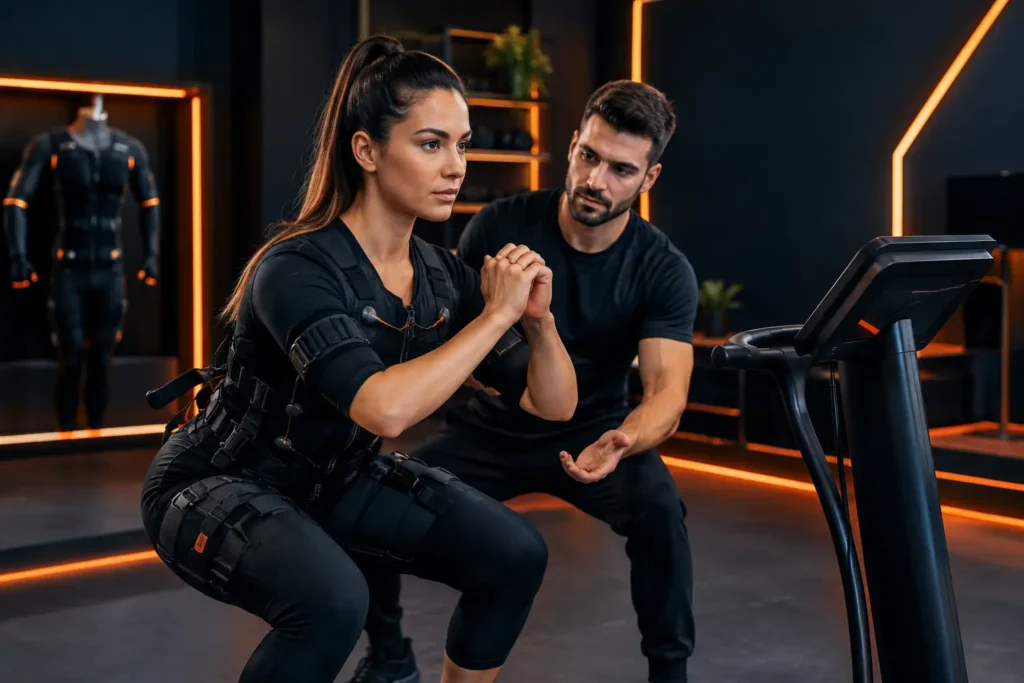


A new EMS system can be installed in a day. Building a team that can deliver safe, consistent, premium sessions takes more structure. When you train staff for EMS sessions, the goal is not simply teaching employees which buttons to press. You are creating an operating standard that protects clients, supports retention, and makes your service scalable beyond the owner.
For a mobile operator, one poorly managed appointment can damage referrals. For a studio or clinic, inconsistent coaching across shifts creates a different problem: clients cannot tell what standard they are paying for. Staff training needs to connect technical operation, client communication, session design, hygiene, and commercial discipline.
Start With the Service Model, Not the Device
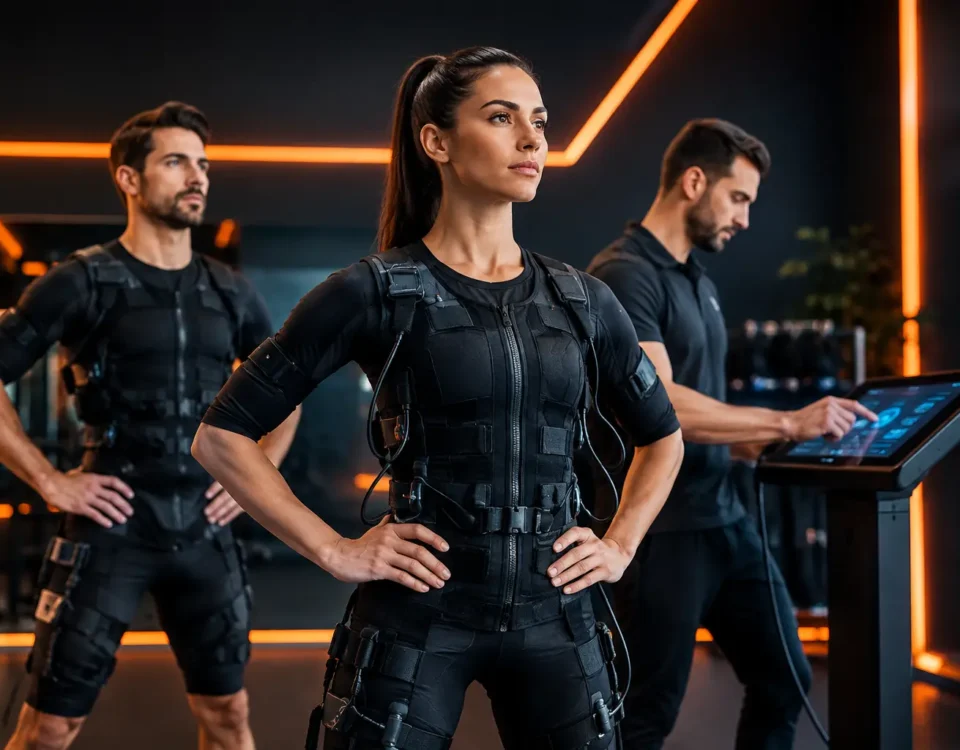
Staff training should reflect the EMS business you plan to run. A solo mobile trainer needs efficient setup, transport discipline, and the confidence to deliver one-to-one sessions in changing environments. A studio team needs repeatable handovers, synchronized session flow, and clear capacity management. A premium dry wireless concept needs an elevated client experience without sacrificing intake and safety procedures.
Before training begins, define what a standard appointment looks like in your business. Document the client journey from booking through follow-up: consultation, eligibility screening, equipment fitting, warm-up, stimulation progression, coaching, cleaning, notes, and rebooking. This becomes the framework employees follow when the schedule gets busy.
A good protocol leaves room for professional judgment, but it removes avoidable variation. Staff should never improvise around core safety steps because they are running late or because a client asks for a more intense experience.
Build Training Around Four Competencies
A practical EMS onboarding program should assess four areas: technical operation, safe delivery, coaching skill, and operational discipline. These areas overlap, but separating them makes it easier to identify where a team member needs more practice.
1. Technical operation and equipment care
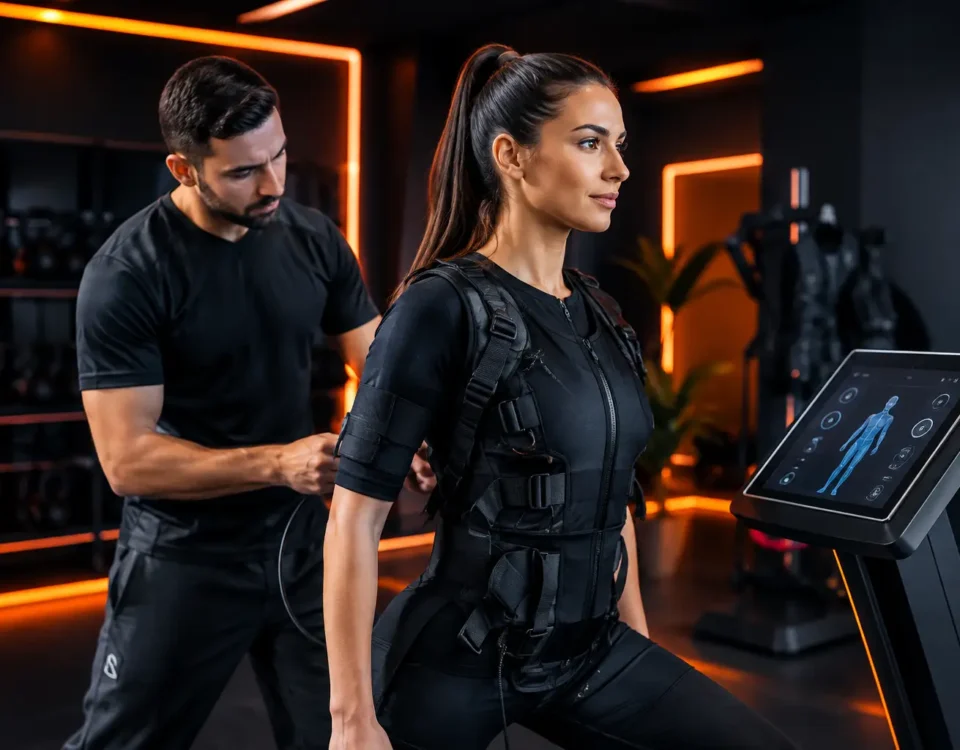
Employees must understand the specific system they will use, including garment or electrode placement, connection checks, intensity controls, emergency stop procedures, battery or power management, cleaning requirements, and basic troubleshooting. They should know what they can resolve during a session and when equipment needs to be removed from service for inspection.
Do not treat this as a one-time product demonstration. Require each staff member to complete setup and shutdown procedures under observation until they can do them calmly and accurately. A trainer who hesitates with connections or settings loses client confidence before the workout begins.
Equipment care also affects profitability. Poor cleaning routines, rushed cable handling, missing accessories, and skipped checks create downtime that can disrupt a full day of appointments. Assign ownership for daily checks, weekly inventory, and reporting any issue before it becomes a service failure.
2. Screening, consent, and session boundaries
EMS staff need a clear process for identifying when a session should not proceed without appropriate clearance or further assessment. This is not a medical diagnosis role. It is a professional responsibility to follow the equipment instructions, your operating protocols, applicable local requirements, and the boundaries of staff qualifications.
Training should cover how to conduct intake conversations without making unsupported health claims. Employees need language that is direct and respectful: explain the process, ask required questions consistently, document relevant responses, and escalate concerns rather than guessing.
The same standard applies to client expectations. Staff should not promise body transformation, rehabilitation, or medical outcomes. They can explain the session format, the role of progressive training, and the importance of consistency. Clear expectations reduce complaints and position the business as credible.
3. Coaching and intensity management
The most common weakness in new EMS operations is assuming intensity equals quality. It does not. A well-run session is controlled, purposeful, and adapted to the client’s training experience, movement quality, stated feedback, and readiness that day.
Teach staff to introduce stimulation progressively, confirm what the client is feeling, and pair activation with simple, well-coached movement patterns. Trainers should be able to explain the difference between productive effort and a level that compromises movement control or client comfort.
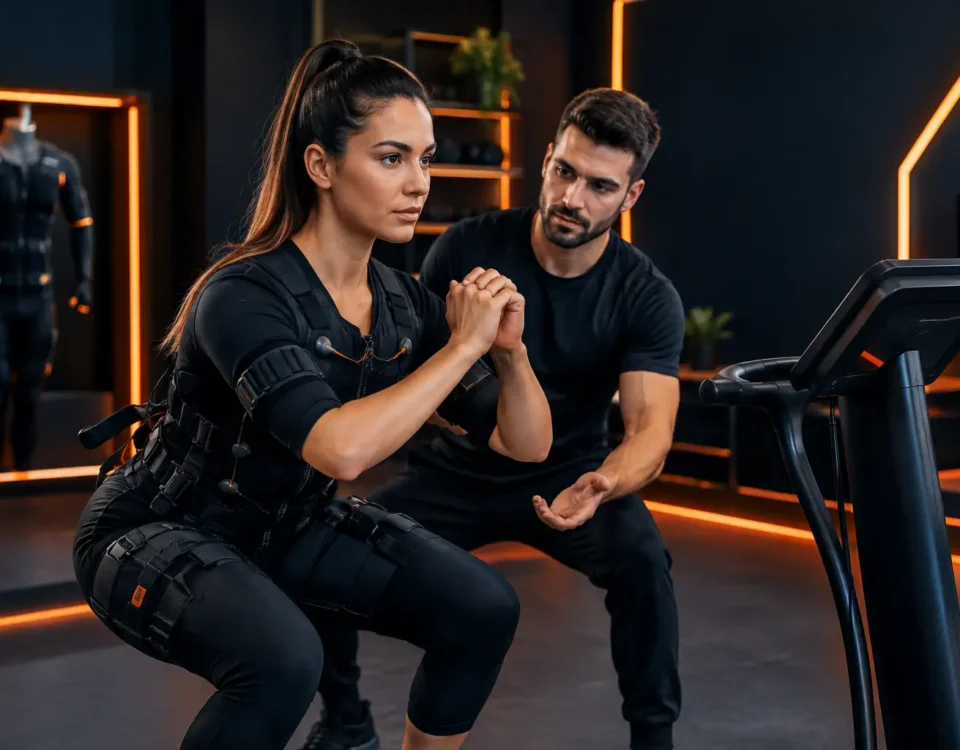
Coaching matters as much as the technology. Clients return because they feel guided, understood, and challenged appropriately. That means staff need to cue posture, breathing, range of motion, tempo, and recovery – not stand beside the console waiting for the timer to finish.
Role-play is useful here. Have employees practice working with a first-time client, a highly confident athlete who wants to increase intensity too quickly, and a client who is nervous about the equipment. Each situation requires a different communication style, while the operating standard stays the same.
4. Documentation and commercial follow-through
A premium EMS appointment should create usable information. Staff need to record the session format, broad intensity progression, client feedback, any operational issues, and the agreed next step. Notes should be clear enough that another qualified team member can continue the client relationship without asking the client to repeat their history.
Commercial follow-through should also be trained, not left to personality. Staff do not need aggressive sales scripts. They do need to know how to ask about the client’s goals, recommend an appropriate schedule within the business model, and confidently offer the next booking.
When trainers understand capacity and retention, they make better decisions. They are more likely to start on time, protect turnaround periods, keep the client record current, and recognize why a consistent experience supports revenue over time.
Use a Phased Training Process
The fastest way to create false confidence is to put a new employee into a paid session after one equipment demonstration. A phased process gives staff time to learn without making clients part of the learning curve.
| Training phase | What the staff member must demonstrate | Manager focus | | — | — | — | | Foundation | Equipment knowledge, setup, hygiene, and core protocols | Accuracy and consistency | | Guided practice | Sessions with colleagues or supervised practice clients | Communication and control | | Monitored delivery | Real appointments observed by a senior trainer | Coaching quality and documentation | | Sign-off and review | Independent delivery against a checklist | Readiness and improvement plan |
The length of each phase depends on the employee’s background, the complexity of your setup, and the type of clients you serve. An experienced personal trainer may learn coaching flow quickly but need more repetition on equipment protocols. A technically confident operator may need more development in consultation and client communication.
Use a sign-off checklist instead of relying on a manager’s general impression. The employee should demonstrate each essential task, including fitting, system checks, emergency procedures, appropriate intensity progression, session notes, and cleaning. If they cannot perform a step reliably, training continues.
Make Observation Part of the Operating System
Initial training is only the beginning. Teams drift when there is no feedback loop. A short monthly observation process is often more effective than a large annual refresher because it catches small problems before they become habits.
Observe a session using the same standards used during onboarding. Was the intake completed? Was the equipment fitted correctly? Did the trainer explain the session clearly? Was stimulation progressed with client feedback? Did the trainer coach movement throughout? Were notes completed and the next appointment discussed?
Share feedback privately and specifically. “Improve client experience” is too vague to be useful. “Confirm comfort before each intensity increase” gives the trainer an action they can apply in the next session. Track recurring issues across the team because they may reveal a process problem, not an individual performance problem.
Refresher training should also follow operational changes. New equipment, revised cleaning procedures, new staff roles, or expansion from mobile sessions into a multi-trainer studio are all reasons to reset standards. EMS Leader supports operators with onboarding and training because the launch plan has to work in real appointments, not only in a product demonstration.
Protect Quality as You Add Capacity
Growth creates pressure to shorten onboarding, fill every schedule gap, and let strong personalities set their own methods. That can increase short-term capacity while weakening the experience that generated demand in the first place.
Instead, protect non-negotiables: qualified staff sign-off, documented client processes, equipment maintenance, and regular quality reviews. Then allow flexibility where it adds value, such as coaching style, session programming within approved parameters, or how a trainer builds rapport with a particular client.
The right standard does not make your team robotic. It gives them a reliable foundation so they can focus on the client in front of them. Build that foundation before your calendar is full, and every new staff member becomes an opportunity to grow your EMS service without lowering the quality that made it viable.