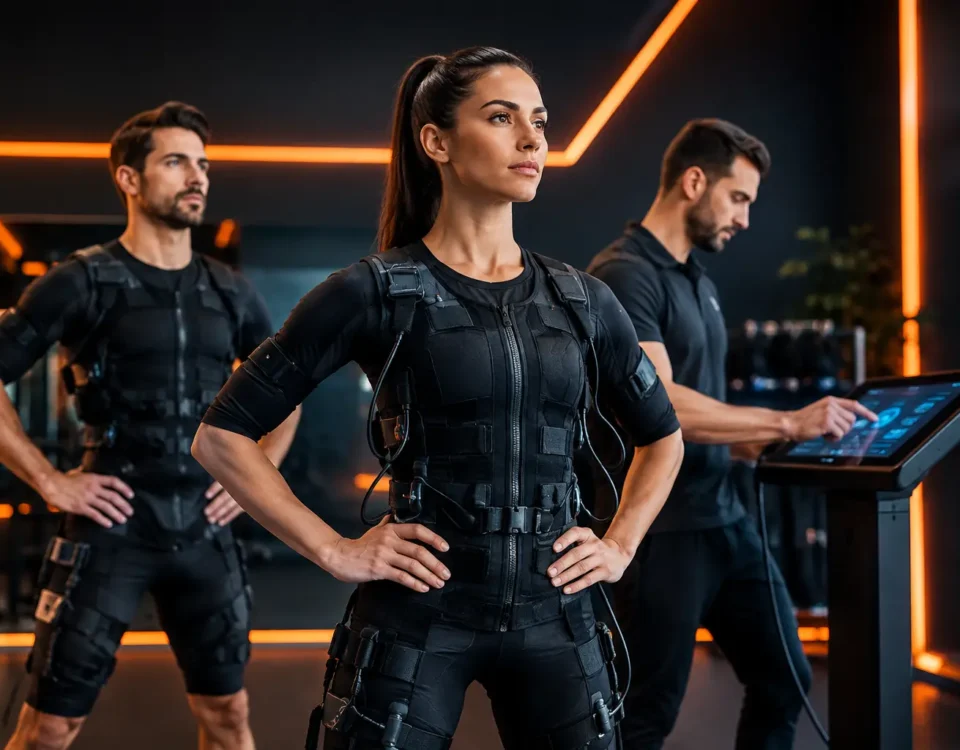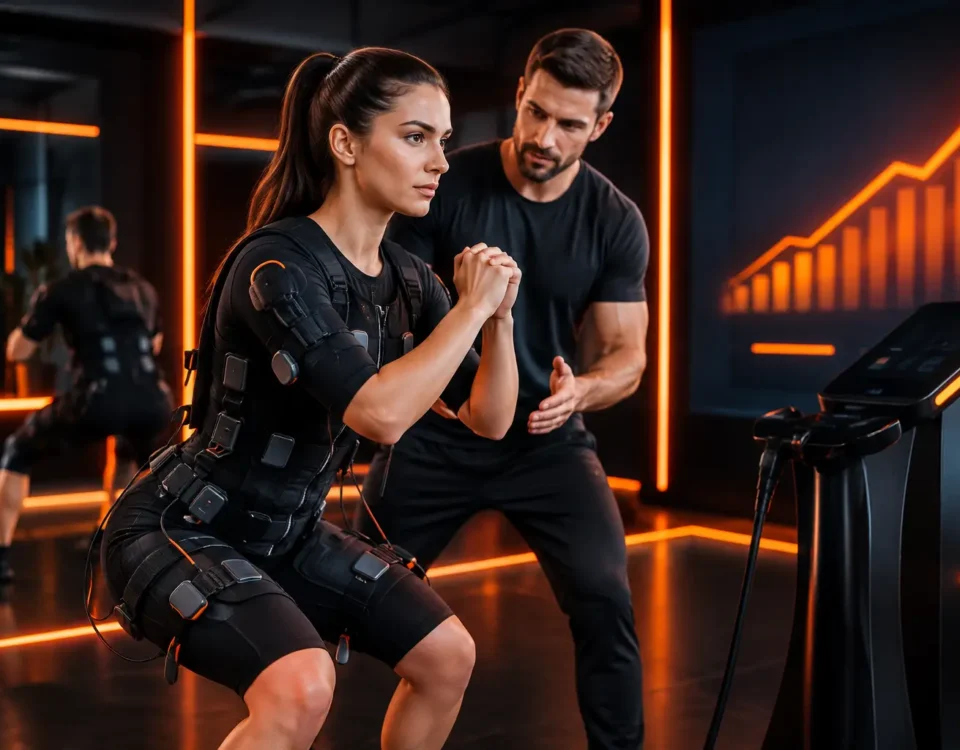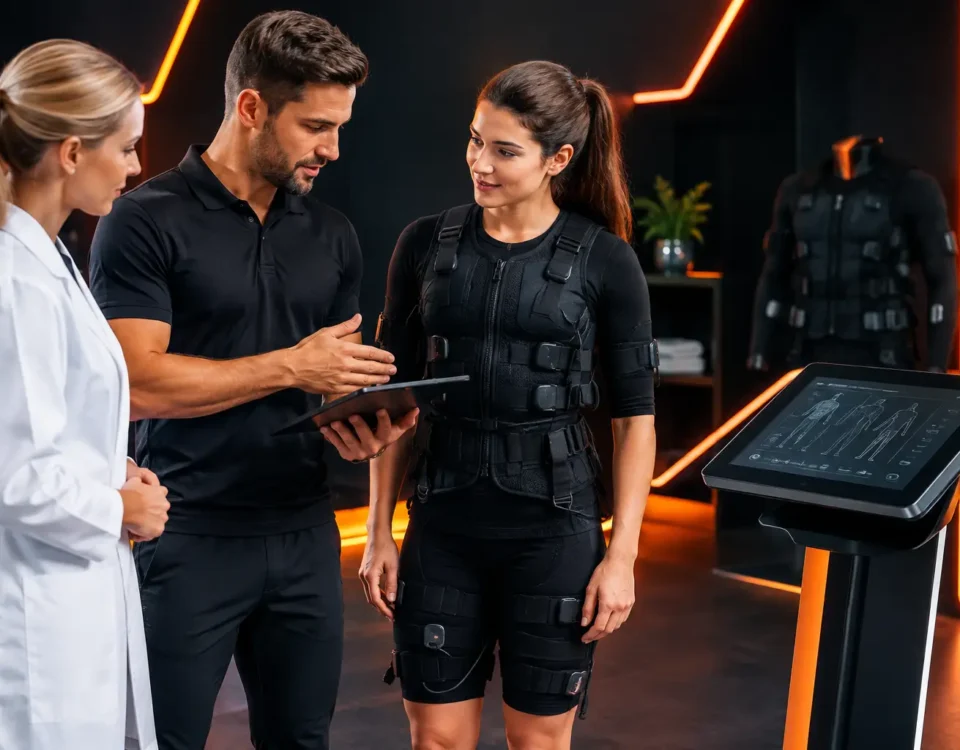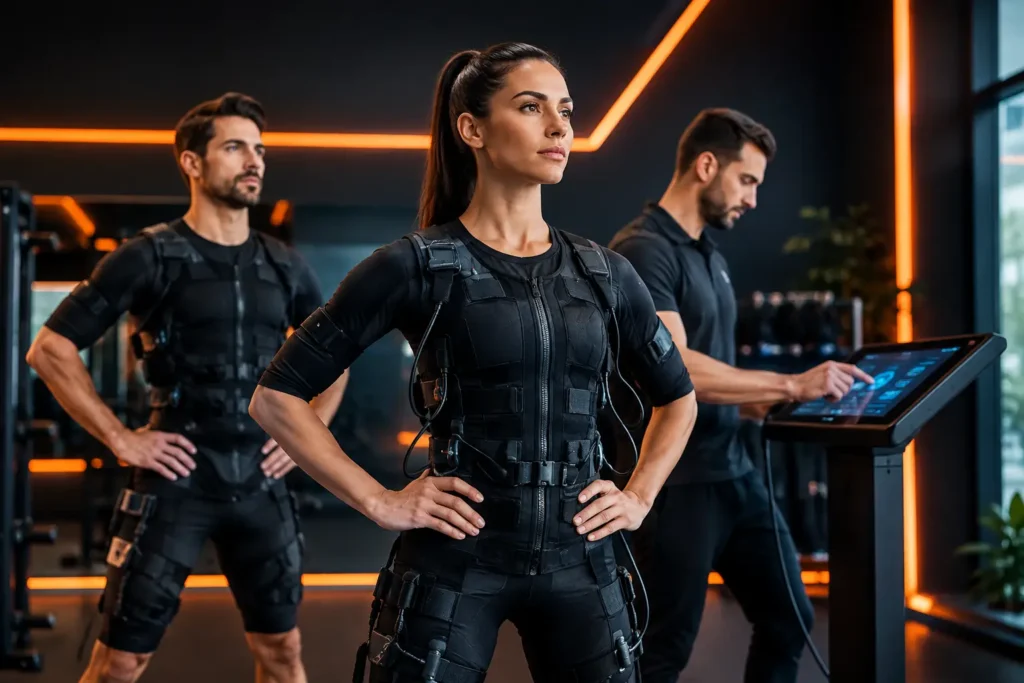

A polished EMS studio can still face costly delays if its operator, staff, equipment, and client process are not properly prepared. EMS certification requirements are not one universal checklist, especially for electrical muscle stimulation businesses. They depend on where you operate, how you market the service, who delivers sessions, and whether your concept sits in fitness, wellness, or a regulated clinical setting.
For a commercial operator, the goal is not simply to collect a certificate. It is to build a service that clients can trust, insurers can understand, and staff can deliver consistently. That means separating trainer competency, equipment compliance, business licensing, and risk management from the beginning.
What EMS Certification Requirements Actually Cover
In the EMS industry, the word “certification” is often used to describe several different obligations. Treating them as one requirement creates gaps in your launch plan.
First, there is instructor education. A trainer needs practical knowledge of EMS principles, contraindications, client screening, equipment placement, intensity control, session structure, and emergency procedures. This is the foundation for safe, repeatable delivery.
Second, there is equipment documentation. Commercial EMS systems should be supplied with the applicable conformity, safety, user, and technical documentation for the market where they will be used. Requirements vary by jurisdiction, so operators should confirm that documentation supports their intended use and business location rather than assuming a certificate from another market applies automatically.
Third, there are business-level obligations. These can include company registration, local operating permits, general and professional liability insurance, health and safety procedures, privacy practices for client records, and employment standards for staff. If your business operates within a medical, rehabilitation, or clinical environment, the requirements may be materially different.
The practical rule is simple: instructor training helps you deliver the service correctly; compliant equipment supports safe operation; business compliance protects the operation around the session.
Start With Your EMS Business Model
Your operating model determines which requirements deserve the most attention. A mobile personal trainer, a multi-coach studio, and a premium wellness concept do not carry the same exposure.
| Business model | Primary compliance focus | Operational priority | | — | — | — | | Mobile EMS | Trainer competence, portable equipment checks, transport procedures, liability coverage | Consistent one-to-one client screening in different locations | | Studio EMS | Staff training, standardized protocols, facility safety, capacity management | Delivering the same quality across multiple coaches and sessions | | Premium dry wireless EMS | Device training, hygiene standards, premium service process, data privacy | Protecting client experience while maintaining disciplined safety controls |
A mobile operator may launch with one qualified coach and a documented screening process, but must be especially careful about working in homes, offices, or partner facilities. A studio has more commercial upside through session volume, yet needs clearer systems for staff onboarding, equipment inspections, cleaning, and incident reporting.
For any model, avoid presenting EMS as medical treatment unless your credentials, operating environment, approvals, and local regulations clearly support that positioning. Fitness and wellness claims should remain accurate, measured, and aligned with the intended use of the equipment.
Trainer Qualifications: Competence Before Credentials
There is no single credential that automatically makes someone qualified to operate every EMS system in every state or country. However, relying on a general personal training certificate without EMS-specific education is a weak business decision.
A credible EMS training program should cover electrical stimulation fundamentals, device operation, electrode or suit placement, intensity progression, contraindications, client communication, hygiene, troubleshooting, and session documentation. It should also include supervised practical work, not only online theory.
For studio owners, training must be repeatable. Every coach should know how to conduct the same intake, explain the same consent process, recognize the same stop signals, and record the same session information. This protects service quality as your team grows.
First aid and CPR training are also sensible operational requirements for staff who work directly with clients. Specific local rules and insurer expectations may differ, but emergency readiness is part of professional delivery, not an optional extra.
Screening Is a Core Operating Skill
Client screening is one of the most valuable components of EMS instructor training. Before a first session, staff should use a clear health questionnaire, discuss relevant contraindications, and identify situations that require medical clearance or a decision not to proceed.
The exact screening criteria should be reviewed against local rules, your equipment instructions, and insurer requirements. Do not let sales pressure override the process. A client who is not appropriate for EMS today may still become a future client through another service, but an avoidable incident can damage the entire business.
Equipment Compliance and Documentation
Equipment should never be selected on appearance alone. Before adding a system to your commercial offer, confirm what documentation is supplied, what market it is intended for, and what training the supplier provides.
Ask for the user manual, safety instructions, maintenance guidance, warranty terms, technical specifications, cleaning instructions, and any applicable conformity documentation. You should also understand the equipment’s intended use, maximum client capacity, required accessories, expected service intervals, and available spare parts.
This is where a partner-led equipment provider adds commercial value. EMS Leader supports operators with equipment onboarding, training, setup guidance, warranty coverage, and access to spare parts so the system is not treated as a one-time purchase with no operating plan behind it.
Keep a simple equipment file for each device. Record the serial number, installation date, training completion, inspections, maintenance, repairs, and any reported issue. For a single mobile system, this may be a straightforward digital log. For a studio with several stations, it should be a managed process with named responsibility.
Insurance, Waivers, and Client Records
A waiver is not a substitute for competent delivery or appropriate insurance. It is one part of a wider risk-management process.
Your insurance adviser should understand that you provide electrical muscle stimulation sessions, not just general fitness coaching. Ask whether your policy covers the service, your equipment, mobile work if applicable, staff members, rented premises, and professional liability. Coverage requirements can differ widely by location and business model.
Client records should be secure, useful, and proportionate. At minimum, maintain intake forms, consent, screening outcomes, session notes, relevant intensity or progression records, and incident reports where needed. If you collect health information, treat it carefully and follow applicable privacy rules.
Clear records also improve the client experience. When a client returns after two weeks, another trained coach should be able to see relevant notes and continue the service safely rather than guessing at prior settings or progressions.
A Practical Launch Checklist for EMS Operators
Before opening your first booking slot, verify these core areas:
- Your legal business structure, local permits, and insurance match the services you will provide.
- Every coach has completed EMS-specific practical training and understands your written operating procedures.
- Your equipment is documented for the intended market, installed correctly, and supported by maintenance and warranty processes.
- Client intake, consent, screening, hygiene, session records, and incident reporting are standardized.
- Your marketing describes fitness and wellness services accurately without unsupported medical or outcome claims.
This checklist is deliberately commercial as well as safety-focused. Launch speed matters, but shortcuts create friction later: rejected insurance claims, inconsistent coaching, equipment downtime, poor reviews, or a costly need to rebuild procedures while serving clients.
Questions to Ask Before You Invest
Before selecting a system or training provider, ask whether the onboarding is designed for real operations. Will you receive practical instruction for your specific device? Is there a clear process for new staff training? Who handles technical support, replacement parts, and warranty issues? Can the supplier help you choose a model that matches your expected client volume and available capital?
The answer may differ for a trainer starting with mobile sessions and a gym adding several EMS stations. The best setup is not automatically the largest system. It is the one that fits your client acquisition plan, staffing capacity, service positioning, and cash-flow target.
Strong EMS certification requirements are not a barrier to entering the market. They are the framework that lets you operate with confidence, charge appropriately for a professional service, and grow without compromising how clients are cared for.