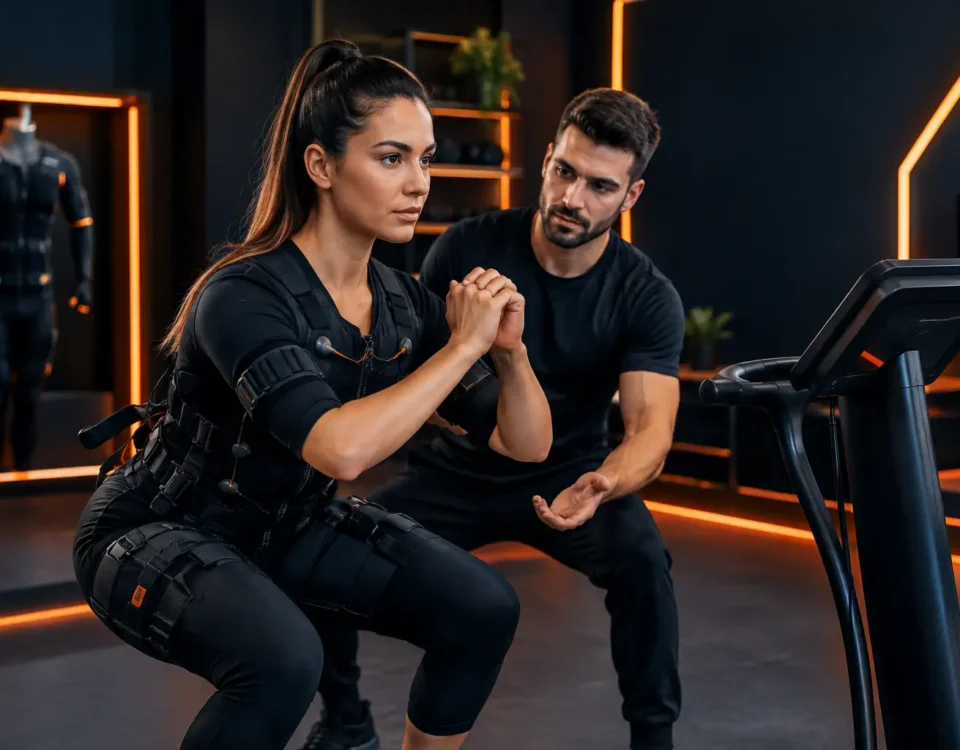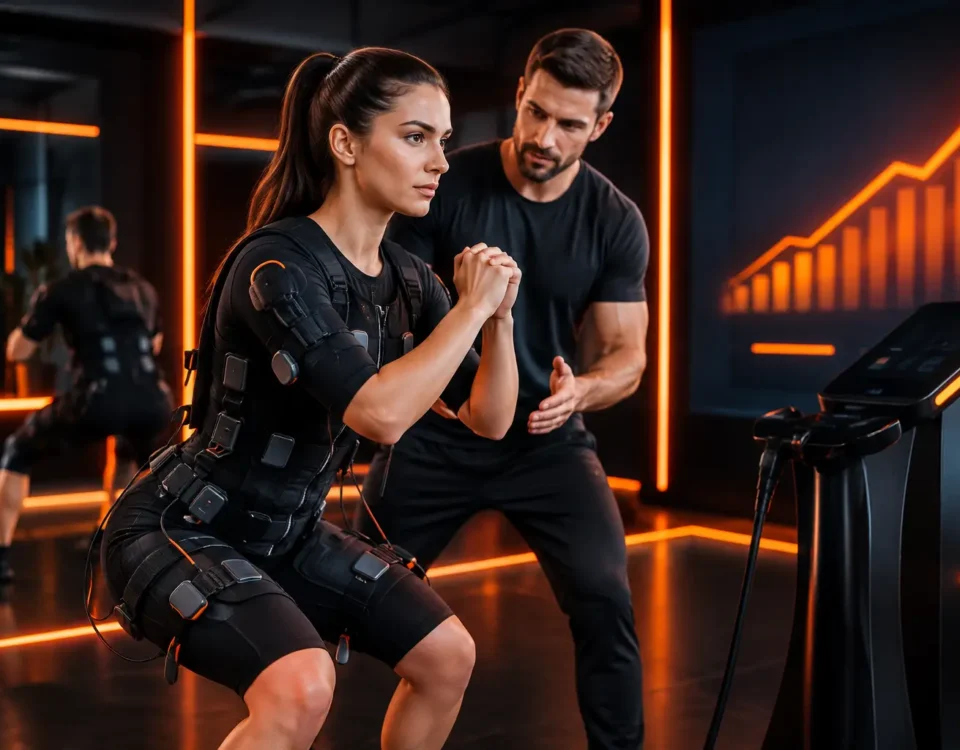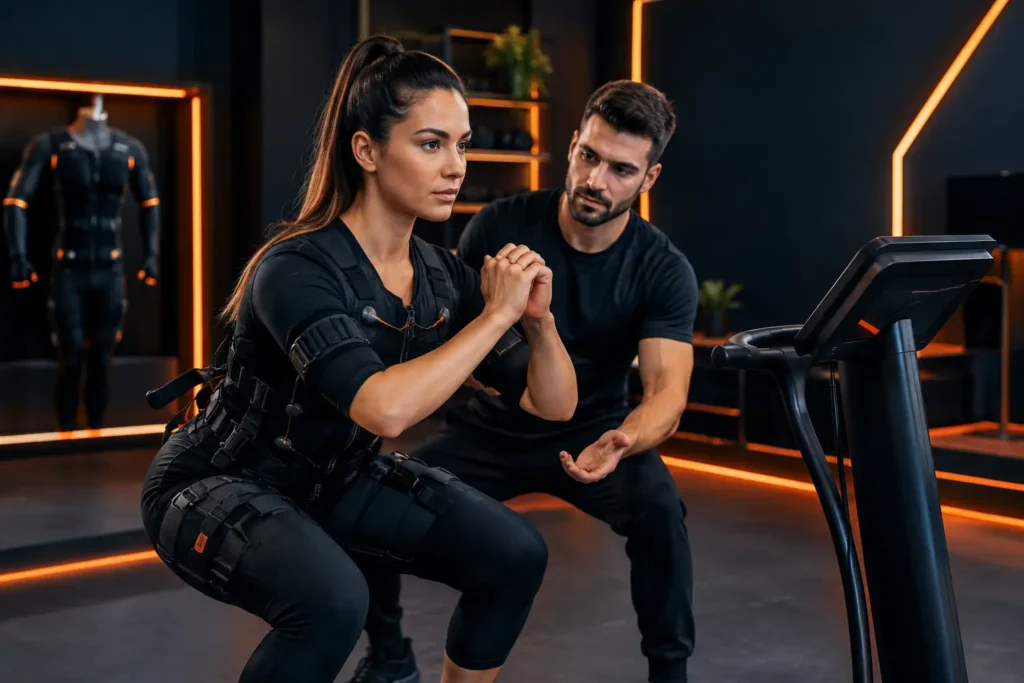

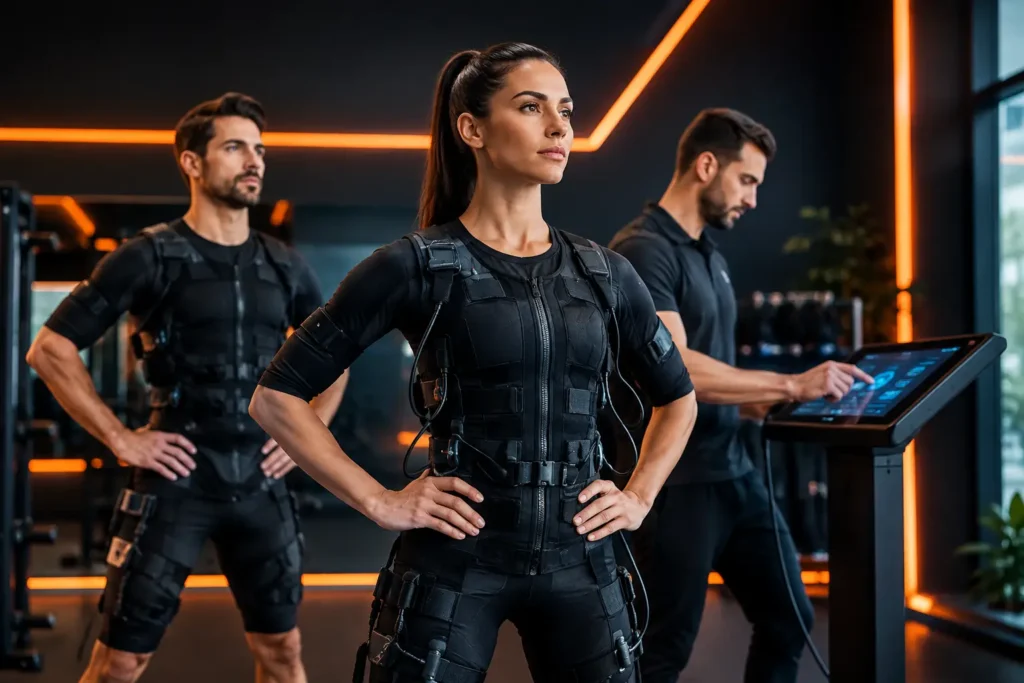
A wireless EMS system can look impressive in a short demo, yet the real test begins when it enters a paid service model. Wireless EMS reviews are useful because they reveal what matters after the first session: setup time, signal stability, comfort, cleaning workflow, trainer control, battery management, and the support available when equipment needs attention.
For a personal trainer, gym owner, clinic manager, or wellness entrepreneur, the right question is not simply, “Is wireless EMS good?” The better question is, “Will this system help us deliver a consistent, premium service at an investment level that fits our business model?”
What Wireless EMS Reviews Should Tell a Business Owner
Consumer-style reviews often focus on how a workout feels. That perspective has value, but commercial buyers need a wider view. A system may be comfortable for one user in a controlled setting and still create operational friction when several appointments are scheduled back-to-back.
The most useful reviews describe real operating conditions. Look for details about how long a trainer needs to prepare a client, whether the garments stay comfortable throughout the session, how reliably the connection performs, and how easily the system fits into a standard appointment schedule. Comments that mention training, technical response times, replacement parts, and onboarding are especially relevant because they affect continuity of revenue.
Be cautious with reviews that make broad claims without context. A positive review from a mobile trainer serving five clients per week is not automatically proof that the same equipment is the right fit for a high-volume studio. Likewise, a premium dry wireless setup may be ideal for a luxury wellness concept but unnecessary for an operator who needs a practical entry point for one-to-one mobile sessions.
Wireless EMS Reviews: The Criteria That Matter Most
A commercial decision should be based on repeatability, not novelty. The following areas give reviews more business value.
Mobility and setup workflow
Wireless EMS is often chosen because it removes the restrictions of cable-based movement. For mobile operators, this can make transport, client setup, and space requirements easier to manage. For studios, it can create a cleaner training floor and support a more modern client experience.
Still, mobility is only valuable if the workflow is efficient. Reviews should clarify whether a trainer can set up the system confidently, adjust intensity quickly, and move between clients without unnecessary delays. Ask how the equipment packs down, whether it travels safely, and what the garment-care process looks like after a full day of appointments.
Trainer control and session quality
A professional EMS service depends on the trainer’s ability to guide a session, not on the equipment alone. Look for feedback on control options, intensity adjustment, program selection, and the clarity of the user interface. If the controls are confusing, the trainer may spend too much time operating the system rather than coaching movement, posture, and client confidence.
A good review will also mention consistency. Operators need a system that behaves predictably from session to session, especially when serving returning clients who expect a professional standard. Reviews that only describe a first impression offer less value than those written after regular use.
Garment comfort, hygiene, and presentation
The garment is part of the product experience. Clients notice fit, comfort, freedom of movement, and how professional the equipment looks and feels. This is particularly important for boutique studios, beauty and longevity concepts, and VIP wellness services where presentation supports pricing power.
For operators, hygiene is equally commercial. Ask whether garments can be managed efficiently between appointments, whether spare sets are available, and whether the maintenance routine is realistic for the team size and booking volume. A premium-looking system that creates a complicated laundry or turnaround process may reduce the capacity it was expected to create.
Battery and connection reliability
Wireless systems rely on disciplined charging and reliable communication. Reviews should address realistic battery performance in a business day, charging routines, connection stability, and any alerts that help the trainer avoid interruptions. A single missed session can be manageable. Repeated technical uncertainty can weaken client trust and complicate scheduling.
This is an area where buyer due diligence matters more than star ratings. Ask suppliers how they recommend managing charging, what backup procedures are available, and how quickly technical support responds if a component needs attention.
Training, warranty, and after-sales support
Equipment is only one part of the investment. The most valuable wireless EMS reviews often highlight the quality of onboarding and ongoing support. A first-time EMS operator may need help with trainer education, safe operating procedures, business positioning, and the first weeks of launch. An established studio may need faster access to spare parts, additional garments, and practical service guidance.
A low initial equipment cost can become expensive if the supplier cannot provide training, warranty clarity, or responsive support. Evaluate the full operating relationship, not just the device specification.
Match the System to the Revenue Model
There is no single “best” wireless EMS option for every operator. The right choice depends on how you plan to sell the service, where sessions will take place, and how many clients you expect to serve.
| Business model | What to prioritize | Common review signals to look for | |—|—|—| | Mobile one-to-one EMS | Portability, fast setup, simple transport, flexible financing | Easy packing, confident solo operation, dependable battery routine | | Studio EMS | Repeatable workflow, garment inventory, staff usability, client throughput | Quick transitions, intuitive controls, strong service support | | Premium dry wireless EMS | Design, comfort, discreet setup, elevated client experience | Premium presentation, freedom of movement, polished session delivery |
For a mobile trainer, a lighter and simpler system may create the strongest path to launch. The priority is often low operational friction and the ability to deliver sessions in homes, offices, private gyms, or partner locations.
For a studio, capacity becomes more important. The system must support consistent scheduling, staff training, equipment rotation, and a professional client journey. In this setting, it is worth assessing how the supplier supports expansion when demand grows.
For premium concepts, wireless capability can become part of the service story. Clients may value a less restrictive experience and a cleaner visual environment. However, the premium position must be supported by skilled coaching, polished operations, and a clear offer. Equipment alone does not create premium pricing.
Questions to Ask Beyond the Reviews
Reviews can narrow the shortlist, but a serious purchase or rental decision requires direct answers. Ask whether the provider offers hands-on onboarding, what is included in warranty coverage, how spare parts are handled, and whether additional garments and accessories can be supplied as the business expands.
You should also ask for a realistic discussion of investment and payback assumptions. A responsible supplier can help you compare rental, rent-to-own, and direct purchase options against your planned session price, client capacity, staffing, and local market. No system can guarantee profitability, but a clear model helps you avoid investing in more capacity than your launch plan can support.
Finally, consider the operator experience. If you are new to EMS, choose a partner that can support the commercial side of the launch as well as the equipment. EMS Leader approaches wireless EMS as a business-entry decision, helping operators align the system with a mobile, studio, or premium service model rather than treating every buyer the same.
How to Read Negative Feedback Productively
Negative reviews are not automatically a reason to reject a system. They can reveal whether a product is a poor fit for a specific workflow. A complaint about garment maintenance, for example, may matter greatly to a high-volume studio but be manageable for a mobile operator with fewer weekly sessions.
Look for patterns rather than isolated frustrations. Repeated comments about unclear training, difficult controls, weak service response, or interrupted sessions deserve closer investigation. In contrast, a complaint about a feature that does not affect your planned model may carry less weight.
The strongest buying decision combines independent feedback with a practical demonstration, a clear commercial plan, and direct conversations about support. Wireless EMS should reduce friction for your trainers and add value for your clients. When the operating model is right, the technology becomes a reliable part of a service business built to grow.