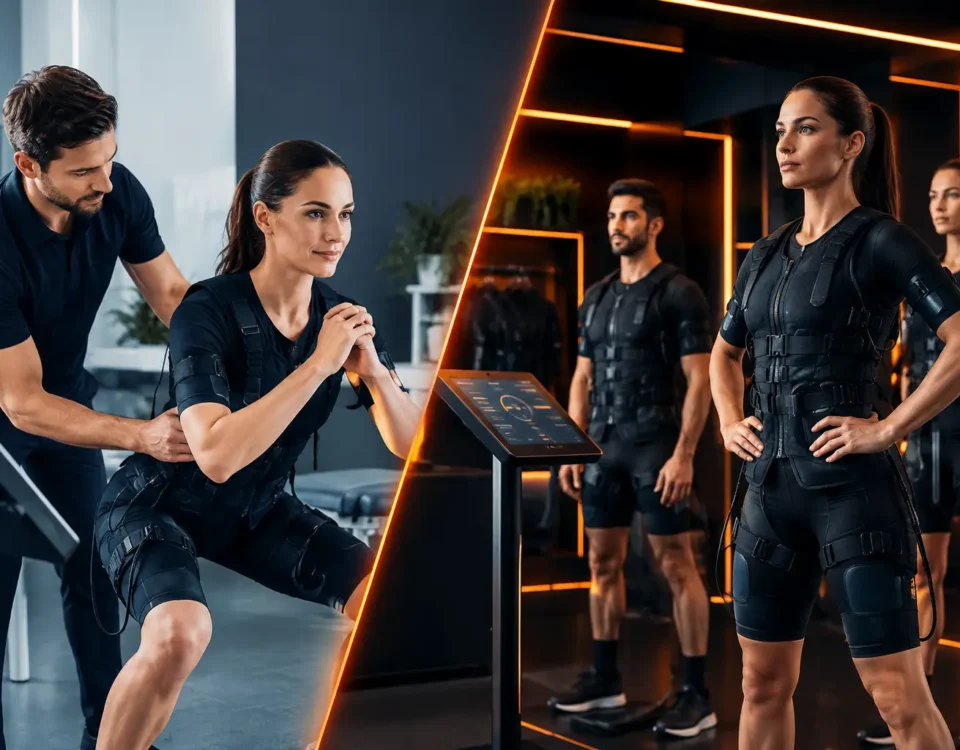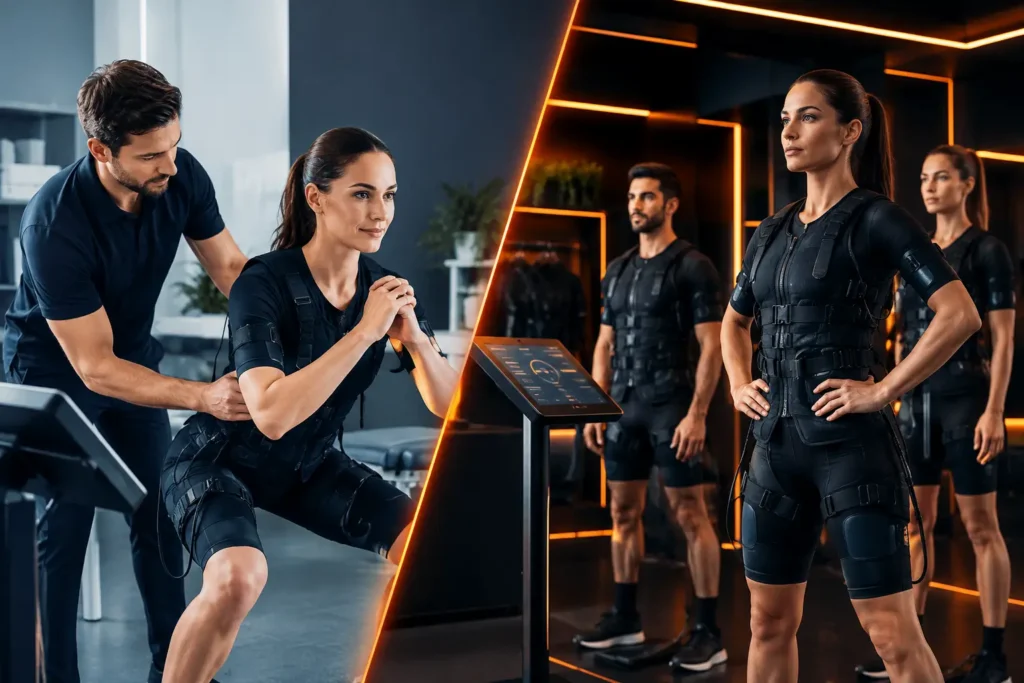

A full appointment book can mean two very different things in an EMS business. It may mean one coach delivering highly personalized sessions at premium rates, or a structured group format that serves more clients in the same operating window. When evaluating group EMS versus individual sessions, the better option is not simply the one with more participants. It is the model that fits your space, staff, client profile, equipment configuration, and commercial positioning.
For a new operator, this decision influences nearly every part of the launch plan: initial setup, scheduling, coach training, sales conversations, pricing structure, and daily capacity. For an established gym, studio, or wellness concept, it determines whether EMS becomes a specialist service, a scalable revenue line, or a premium retention tool.
Group EMS versus individual sessions: the business view
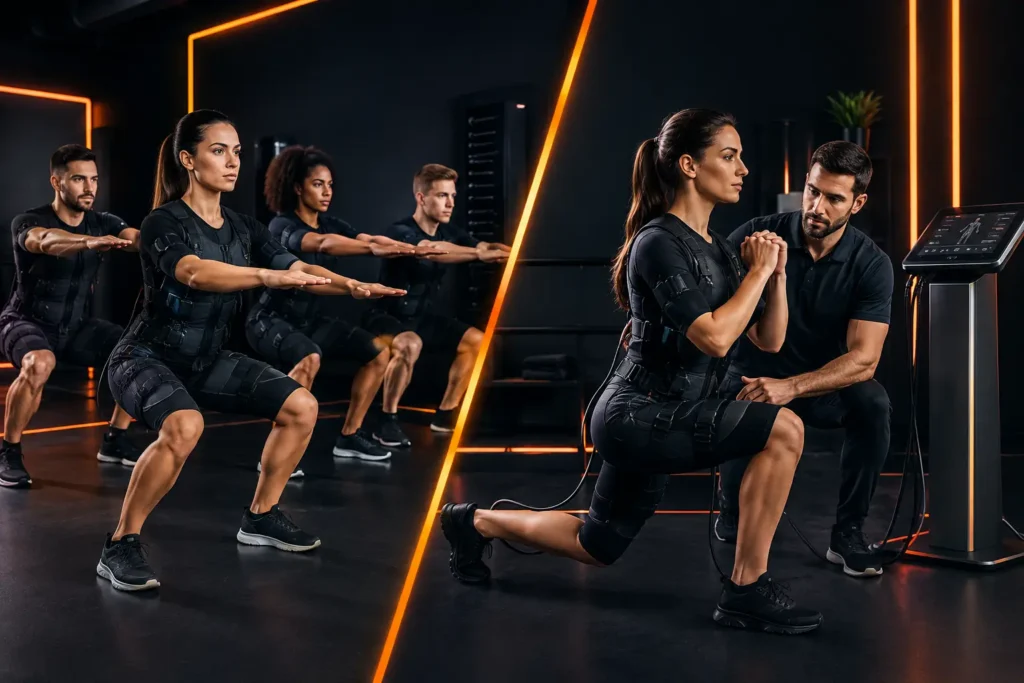
Individual EMS sessions are built around focused coaching. One client, or occasionally a closely matched pair, receives direct attention throughout the appointment. The coach can adapt exercise selection, pace, cueing, and session flow to the client’s experience level and stated goals within the approved operating scope of the service.
Group EMS sessions use a shared time slot for multiple participants. The commercial appeal is clear: one coach and one scheduled period can potentially serve several clients, provided the equipment setup, room layout, staffing, safety procedures, and supervision standards support that format. Group delivery requires more operational discipline than simply adding people to a session.
Neither model is automatically more profitable. A group class with inconsistent attendance, weak onboarding, or insufficient coaching coverage can create pressure on the client experience. A one-to-one model with strong retention and premium positioning may produce a more predictable operation despite lower hourly capacity. The correct comparison starts with the economics of your own concept, not a generic class-size target.
| Business factor | Individual EMS sessions | Group EMS sessions | | — | — | — | | Client experience | Highly personal and adaptable | Social, structured, and energy-led | | Capacity per time slot | Lower | Potentially higher | | Coaching requirement | Intensive attention per client | Clear systems and active supervision | | Positioning | Premium, private, specialist | Community, studio, membership, or gym add-on | | Scheduling | Appointment-based | Timetable-based | | Launch complexity | Often simpler for a solo operator | Requires stronger room, staffing, and booking planning |
When individual EMS makes commercial sense
Individual sessions are often the practical starting point for personal trainers, mobile operators, boutique studios, and clinics adding a carefully managed fitness service. The format gives the operator maximum control over the appointment and makes it easier to build a personal relationship with each client from the first assessment through ongoing sessions.
This model works particularly well when privacy, personal coaching, and flexible scheduling are central to the offer. A client may value a quiet, focused environment more than a class atmosphere. For the operator, that supports a clear premium proposition without needing to fill multiple places in every time slot.
Individual delivery can also simplify early-stage operations. A solo founder can concentrate on learning the system, refining onboarding, and developing a consistent sales process before managing a group timetable. Mobile EMS businesses commonly benefit from this focus because travel, setup, and appointment windows already place limits on daily capacity.
The trade-off is straightforward: each coach has a limited number of available hours. Growth may require more coaches, more operating hours, additional equipment, or a transition to a multi-client setup. Operators should model this before launch rather than waiting until demand exposes the constraint.
The client journey is the product
In a one-to-one model, clients are paying for more than session time. They are paying for attention, confidence in the process, and an experience that feels tailored. The consultation, suitability screening, clear explanation of the session, coaching quality, and follow-up communication all matter.
That means individual EMS is not a passive equipment rental proposition for the end client. It is a professional service. Operators need defined protocols, trained staff, proper consent and screening processes, and a consistent approach to client records. Where a client has medical questions or concerns, the appropriate response is referral to a qualified healthcare professional, not a fitness-based promise.
Where group EMS can create leverage
Group EMS can be a strong fit for established studios, gyms, and wellness businesses that already understand class operations. The model can create a more dynamic atmosphere, support recurring timetable bookings, and allow an operator to use space and staff time more efficiently when attendance is managed well.
A successful group format needs a reason for clients to return. That may be a clearly programmed weekly schedule, a welcoming social environment, convenient booking options, or a membership structure that makes attendance habitual. The equipment is only one part of the offer. The operating system behind it is what protects quality as the room becomes busier.
Group sessions also require thoughtful participant matching. Beginners may need a slower introduction than experienced members. A class with widely different confidence levels can be harder to coach effectively, even if everyone is physically capable of taking part. Many operators solve this by separating introductory sessions from regular group formats or by using class descriptions that set clear expectations.
The main commercial advantage is potential capacity, but capacity only matters when it converts into reliable attendance. Before selecting a group-oriented setup, assess local demand, peak-hour traffic, existing membership behavior, and your ability to market scheduled classes consistently. Empty spaces on a timetable are still fixed operating time.
Do not compromise supervision for throughput
The temptation in any high-capacity format is to focus on the number of clients that can be booked. A stronger question is how many clients can be coached well by the available team and equipment configuration. Staffing plans should account for setup, fitting, instruction, active session supervision, cleaning, reset time, and client questions before and after class.
Local rules, insurer requirements, manufacturer instructions, and staff competency standards may affect how an EMS service should be delivered. These factors should be confirmed before publishing class sizes or selling memberships. A well-run group format protects the client experience and the operator’s reputation at the same time.
Choose the format around your market position
The choice between group EMS versus individual sessions should reinforce the identity of your business. If your brand is built around VIP service, privacy, and personal coaching, a large group timetable may dilute the reason clients choose you. If you operate a busy fitness facility with a class-oriented community, a private-only model may underuse your existing audience and space.
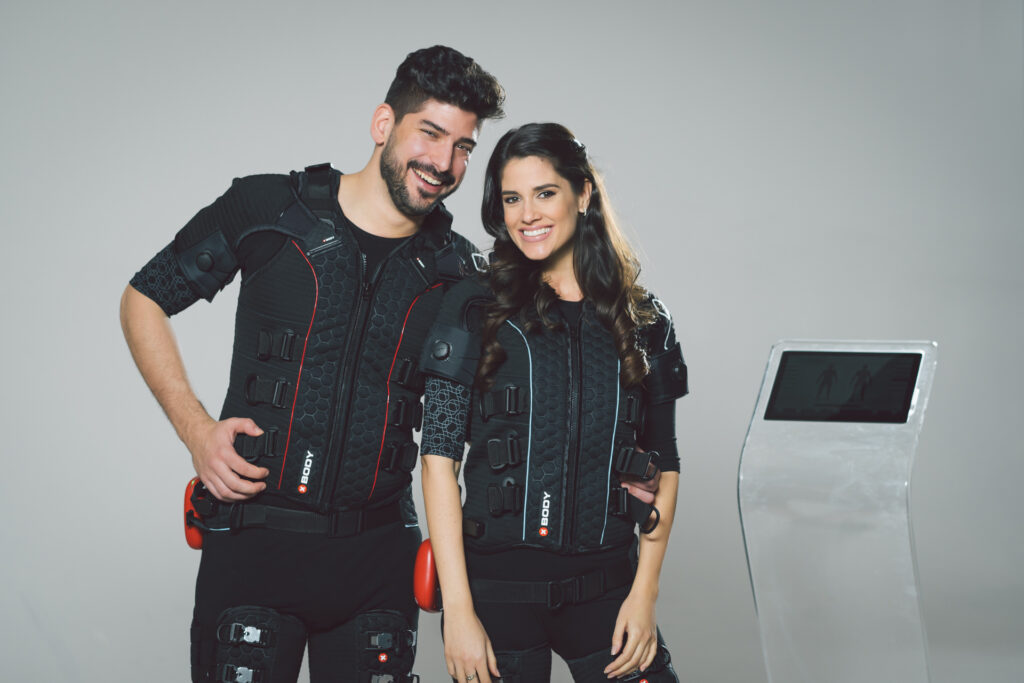
There is also a middle path. Some businesses use individual sessions for first appointments and premium packages, then offer group sessions to suitable returning clients. Others maintain group classes as the core service while reserving private appointments for clients who want more attention. This blended model can widen the offer, but only if the booking flow and service standards stay clear.
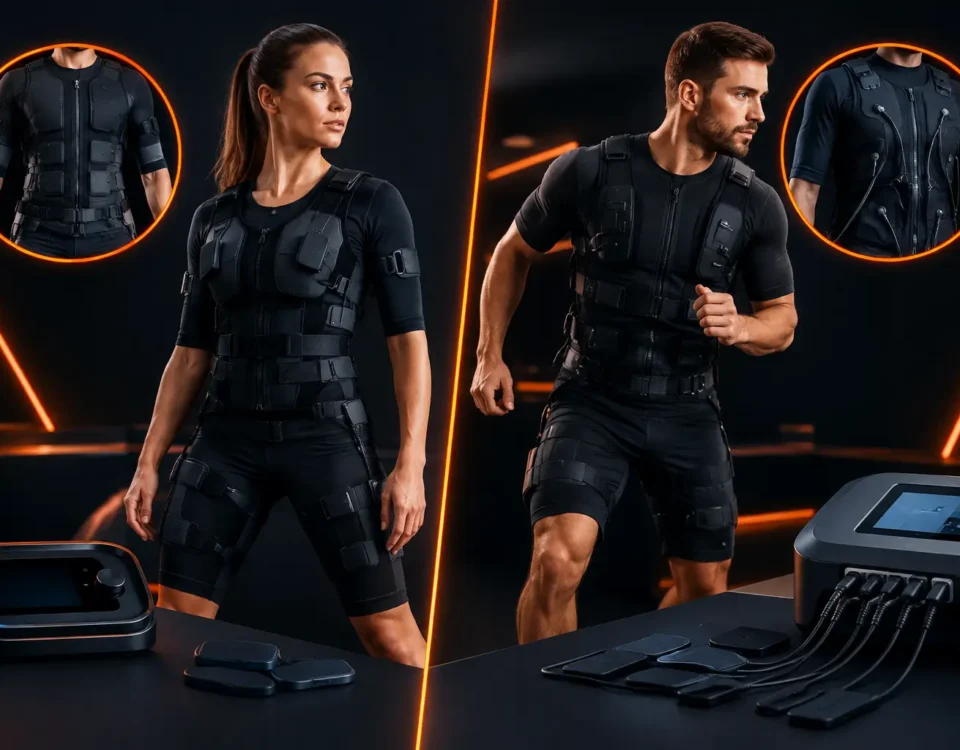
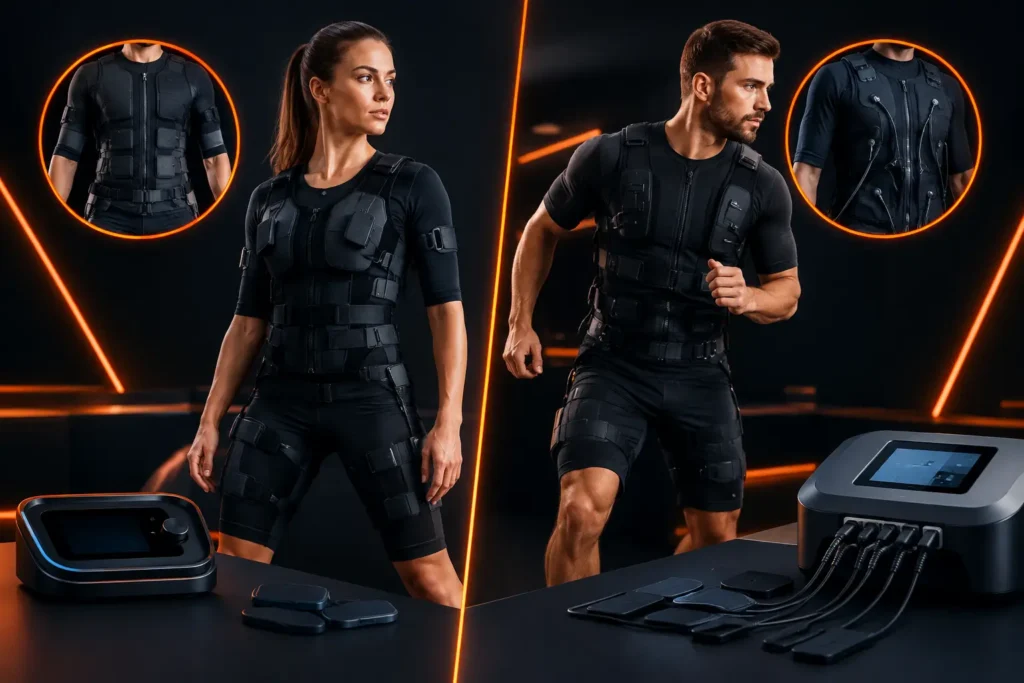
Avoid positioning every format as suitable for everyone. A premium dry wireless concept, for example, may prioritize discretion, comfort, and an elevated one-to-one experience. A studio model may be designed around multiple training stations and a more structured group schedule. A mobile operator may prioritize low overhead and direct personal service. Each model has different operational strengths.
Build the financial model before buying equipment
Equipment decisions should follow the business model, not lead it. Start by mapping your anticipated operating hours, available floor space, staffing plan, appointment length, reset time, projected utilization, and the number of clients you can realistically acquire and retain. Then compare the investment and operating requirements of an individual, group, or hybrid format.
Your model should include conservative scenarios. What happens if group attendance is lower on weekdays? Can private sessions be scheduled during quiet class periods? Will a coach need support during peak times? How will you manage cancellations and late arrivals? These questions may feel operational, but they directly affect revenue quality and client satisfaction.
A provider that offers equipment access alongside onboarding, training, setup support, and business consultation can reduce uncertainty during this stage. The goal is not to force a business into a preselected package. It is to align the system, delivery format, and commercial plan before launch.
The decision is about repeatability
Individual EMS offers control, personal service, and a clear route for operators who want to start lean. Group EMS offers potential scale, timetable efficiency, and a community-led experience, but it demands stronger systems. The most effective format is the one your team can deliver consistently, market credibly, and improve over time.
Choose the session model that makes your client promise easy to keep. When capacity, coaching standards, and positioning move in the same direction, growth becomes far easier to manage.