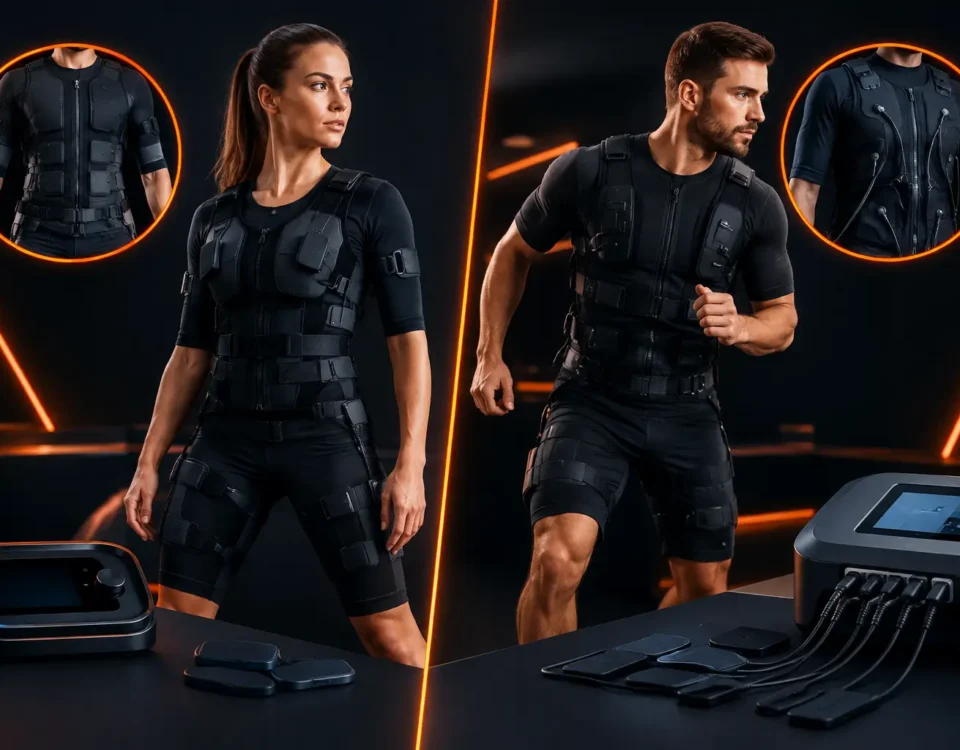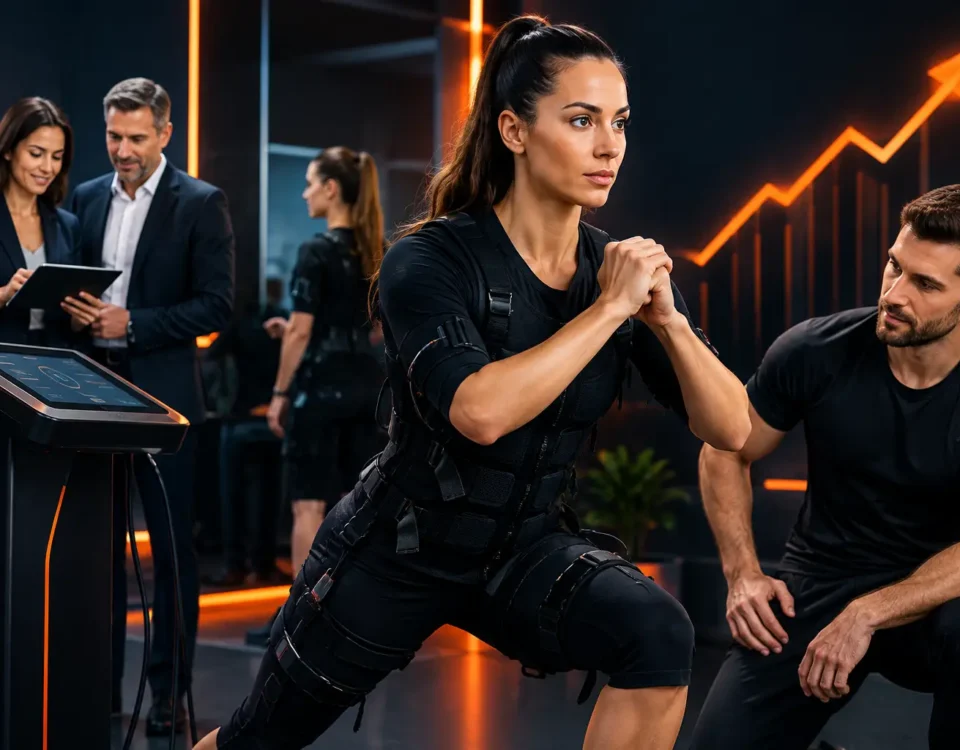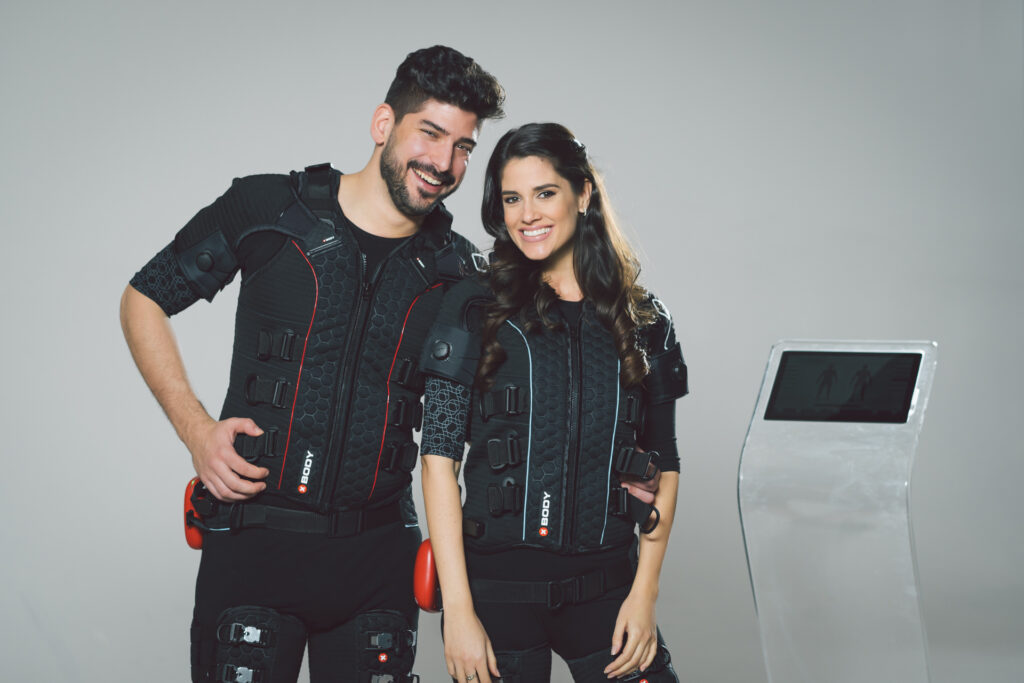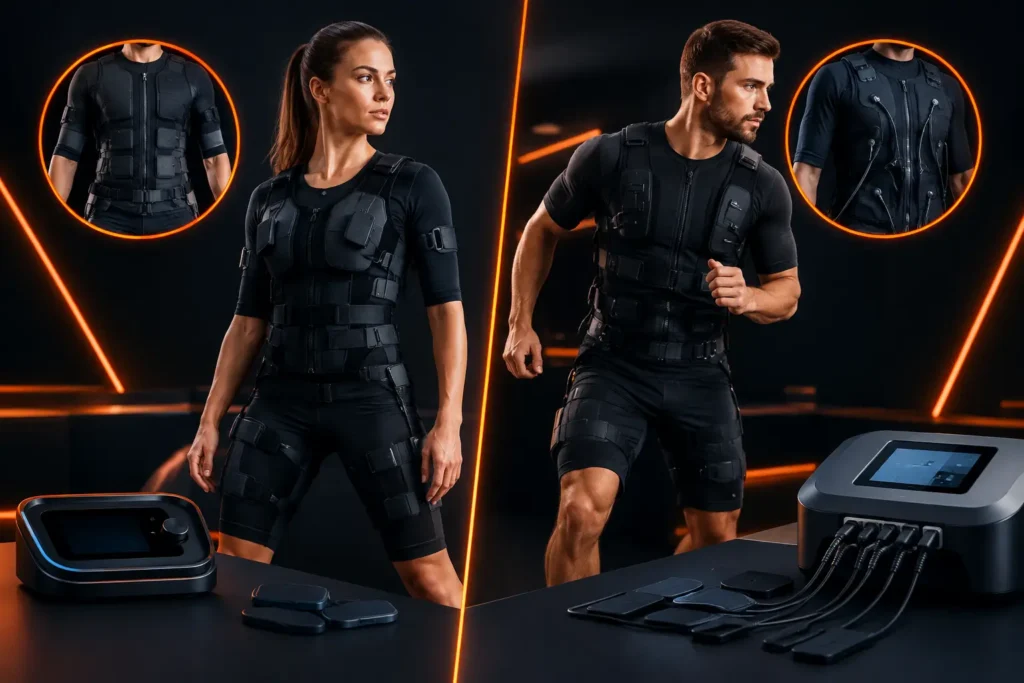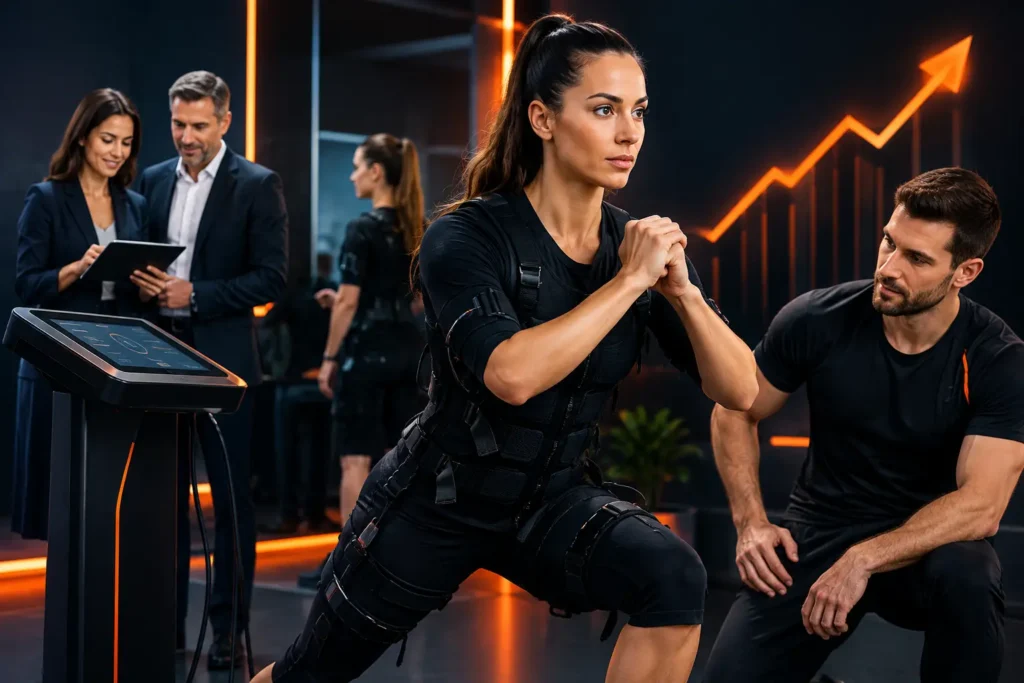

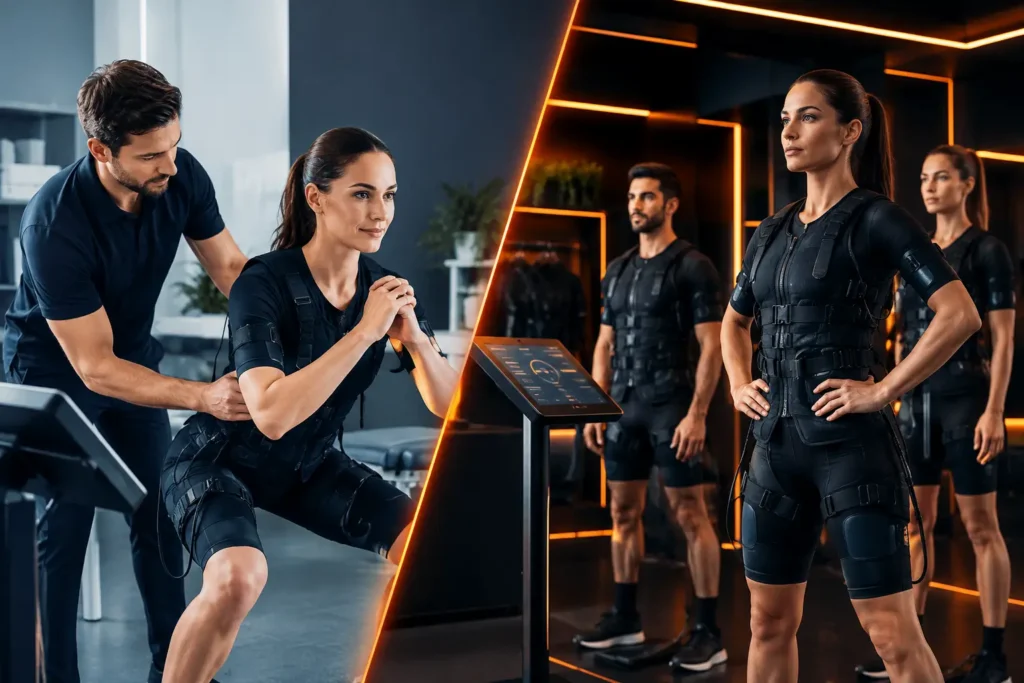
A choice between an EMS clinic versus studio is not mainly a design decision. It determines who you serve, what your team needs to manage, how you position the service, and how much operational complexity you accept from day one. Both formats can create a credible EMS business. The stronger option is the one that fits your existing audience, commercial goals, and ability to deliver a consistent client experience.
For many operators, the decision becomes clearer when they stop asking, “Which concept sounds more premium?” and start asking, “What service can we operate well every day?” A studio generally prioritizes structured training and repeat visits. A clinic-oriented environment may sit closer to health, recovery, wellness, or multidisciplinary services, with stricter boundaries around messaging and client pathways.
EMS Clinic Versus Studio: The Core Difference
An EMS studio is typically built around training appointments. Clients book supervised sessions, often on a recurring basis, and expect efficient coaching, progress tracking, and a focused fitness experience. The commercial model is usually straightforward: sell sessions, packages, memberships, or personal training combinations.
An EMS clinic may place EMS within a broader professional environment that could include physiotherapy, wellness, performance services, or other health-related offerings. That does not automatically make EMS a medical service. The scope of practice, local regulations, staff qualifications, insurance requirements, and claims used in marketing must all match the business and the professionals involved.
The distinction matters because clients interpret the setting differently. A studio client is usually choosing a time-efficient training service. A clinic-oriented client may expect a more consultative intake, coordination with other services, and a higher level of professional oversight. Neither expectation is better by default, but failing to meet it can damage retention and referrals.
| Decision area | EMS studio | EMS clinic-oriented model | |—|—|—| | Primary positioning | Fitness, coaching, and time-efficient training | Wellness, performance support, or services adjacent to qualified health professionals | | Client journey | Booking, training, progress review, repeat purchase | Assessment-led journey that may connect with other on-site services | | Team structure | EMS trainers, personal trainers, studio manager | EMS staff plus relevant qualified practitioners where applicable | | Space requirements | Efficient training area, reception, changing and cleaning workflow | More privacy, consultation space, and coordination with existing clinical operations | | Commercial focus | Session volume, memberships, packages, and trainer utilization | Cross-service pathways, premium consultation, and carefully defined scope | | Marketing language | Fitness goals, convenience, coaching, and professional experience | Must be particularly careful to avoid unsupported medical or treatment claims |
When an EMS Studio Is the Stronger Starting Point
A studio model is often the more direct route for personal trainers, gym owners, boutique fitness operators, and first-time EMS entrepreneurs. Its value proposition is easy to communicate: supervised EMS training in a focused, professional setting.
This model works well when your local market already understands personal training, boutique fitness, or appointment-based coaching. It also suits operators who want a clear operating rhythm. Clients arrive, train under supervision, receive guidance, and book their next visit. Systems for scheduling, trainer standards, cleaning, onboarding, and follow-up can be standardized early.
A studio also gives operators flexibility in scale. A compact 1-to-1 setup can establish demand without building a large facility. As the client base grows, the business can add trainers, extend hours, introduce complementary services, or create a dedicated EMS zone within an existing gym. The right equipment configuration should support the service model rather than force the business into unnecessary overhead.
That said, a studio is not automatically simple. It needs consistent client acquisition, skilled staff, clear session protocols, and a practical plan for unused appointment capacity. If the operator is absent most days, trainer quality and sales follow-up become even more important. A studio sells trust in the coach as much as it sells access to equipment.
Studio positioning requires discipline
The strongest studios avoid trying to be everything at once. They choose a defined market position, such as premium personal training, efficient sessions for busy professionals, boutique wellness, or an EMS add-on within a fitness club. That decision shapes pricing architecture, interior design, staffing, and marketing.
A broad promise may attract curiosity, but it can make sales conversations harder. A clear offer helps prospective clients understand why they should book, what to expect, and how the service fits their routine.
When a Clinic-Oriented EMS Model Makes Sense
A clinic-oriented model is most credible when it has a genuine connection to an established professional environment. This may include a wellness center, performance practice, physiotherapy setting, or a multidisciplinary facility where qualified professionals already manage client intake and service delivery.
The operational advantage is that the business may already have reception processes, consultation rooms, trusted staff, and an existing client base. EMS can become one component of a broader experience rather than a standalone launch. For an established operator, this can create relevant cross-service opportunities without relying entirely on cold client acquisition.
However, the clinic route carries more responsibility. The business must clearly separate fitness and wellness services from medical assessment or treatment unless it is properly qualified and authorized to provide those services. Staff must understand contraindications, intake procedures, escalation protocols, and the limits of what they may claim. EMS should never be presented as a substitute for medical care.
This model also needs a careful handoff process. If a practitioner introduces a client to EMS, the client should understand who delivers the session, what the service involves, and what outcome claims are appropriate. Professional credibility depends on clarity, not vague clinical language.
A clinical setting can raise expectations
A clinic environment may justify a more consultative experience, but it can also increase client expectations around privacy, documentation, and service coordination. Operators should plan for this before purchasing equipment or remodeling space.
Ask whether your team can manage longer consultations without disrupting the schedule. Consider whether room layout supports privacy and safe supervision. Review insurance, local rules, and professional responsibilities with the appropriate advisers. These are business foundations, not administrative details to address after launch.
Investment Should Follow the Operating Model
The equipment decision should come after the business model, not before it. A mobile operator may need portability and low fixed overhead. A studio may prioritize a setup that supports recurring coached sessions and multiple trainers. A premium wellness concept may place greater weight on client comfort, design, and a polished private experience.
For an EMS clinic versus studio comparison, calculate the full operating picture: premises, staff time, training, insurance, booking systems, suit care, consumables where relevant, marketing, and working capital. The device is only one part of the investment.
Flexible acquisition options can reduce the pressure of making every decision upfront, but financing does not replace planning. Before committing, model conservative appointment utilization, account for ramp-up time, and define who is responsible for selling sessions. A business with excellent equipment but no client follow-up process will struggle in either format.
Questions That Clarify the Right Model
Before choosing a clinic or studio direction, answer these questions honestly:
- Do you already have an audience that trusts you for fitness coaching, wellness services, or practitioner-led care?
- Will EMS be the main service, an add-on to a gym, or part of a broader premium concept?
- Who will conduct consultations, deliver sessions, and manage follow-up when demand increases?
- What claims can your team responsibly make within its qualifications and local regulations?
- Can your space support the privacy, cleaning, storage, and scheduling flow your chosen client experience requires?
These answers often reveal that the best concept is not purely one or the other. A high-end studio may use a consultation-led client journey without presenting itself as a clinic. A wellness center may operate a dedicated EMS training room with studio-style scheduling. The label matters less than operational alignment.
Build the Client Experience Before the Facility
The most reliable way to choose between an EMS clinic and a studio is to map the client experience from first inquiry to repeat booking. Define the initial conversation, intake, session supervision, post-session communication, and renewal process. Then build the space, staffing plan, and equipment package around that workflow.
A studio is often the practical choice when training is the core commercial service. A clinic-oriented model can be compelling when it genuinely fits qualified professional services and a carefully managed client pathway. Choose the format your team can deliver with confidence, then make every investment support that promise.