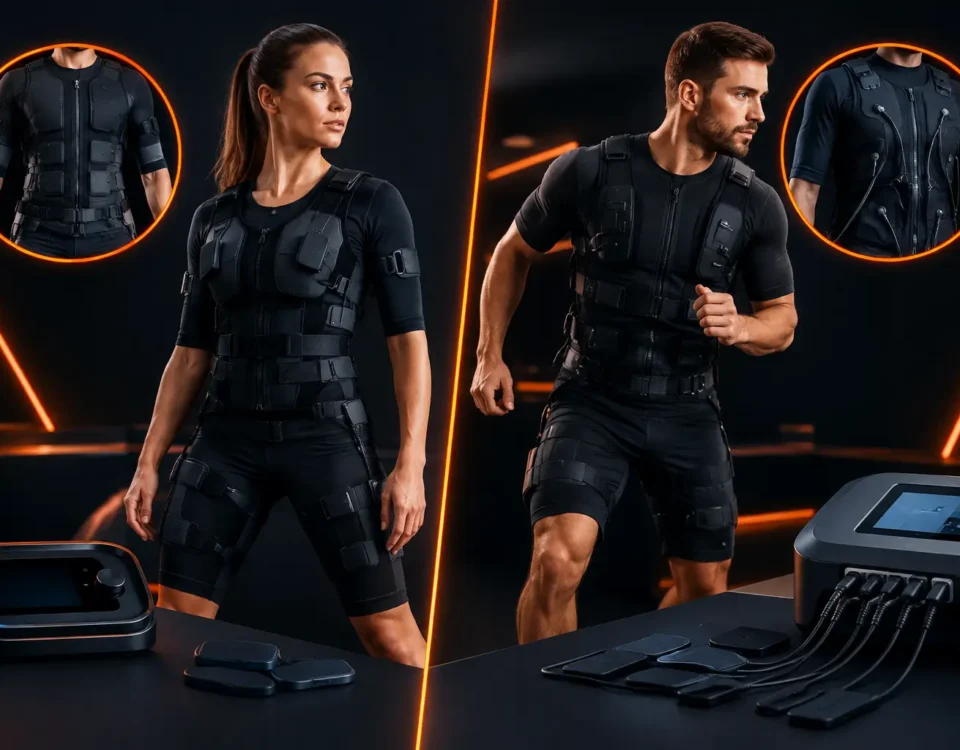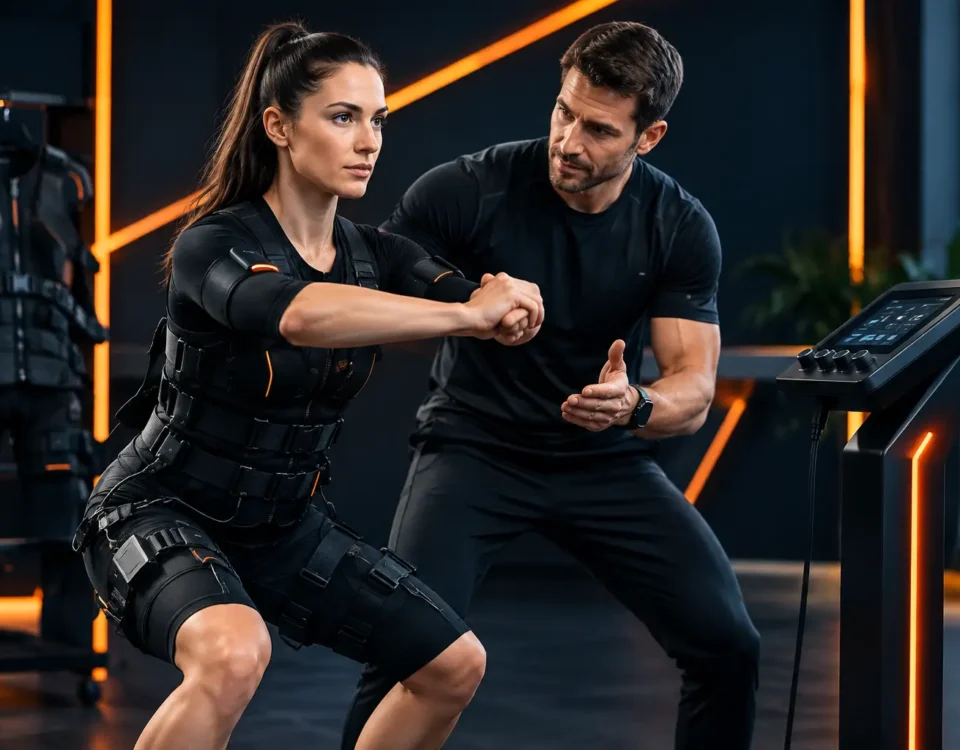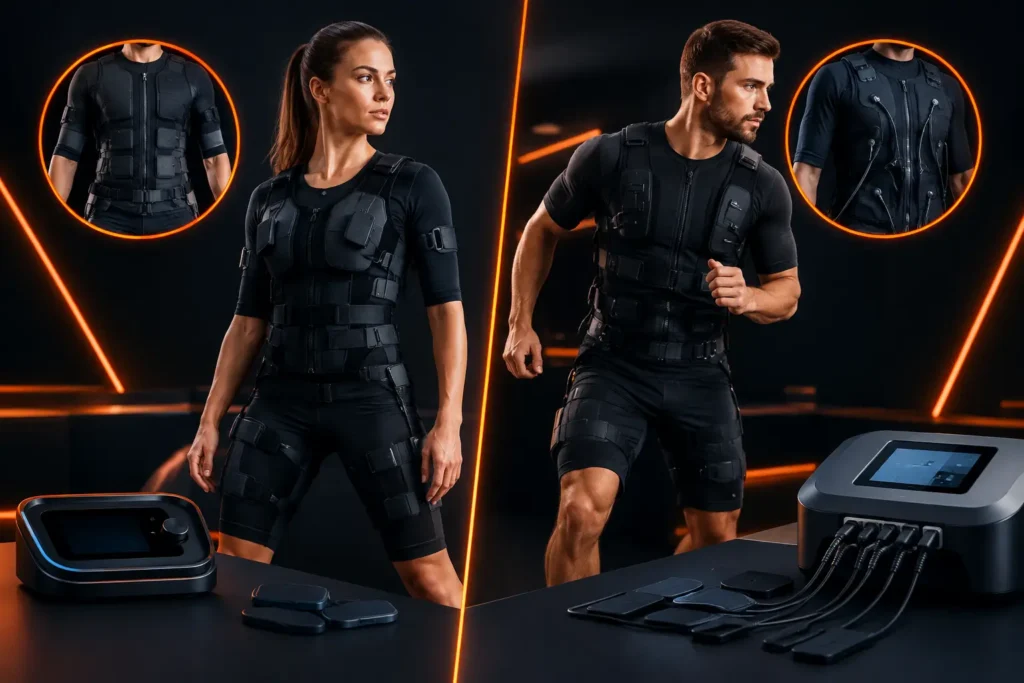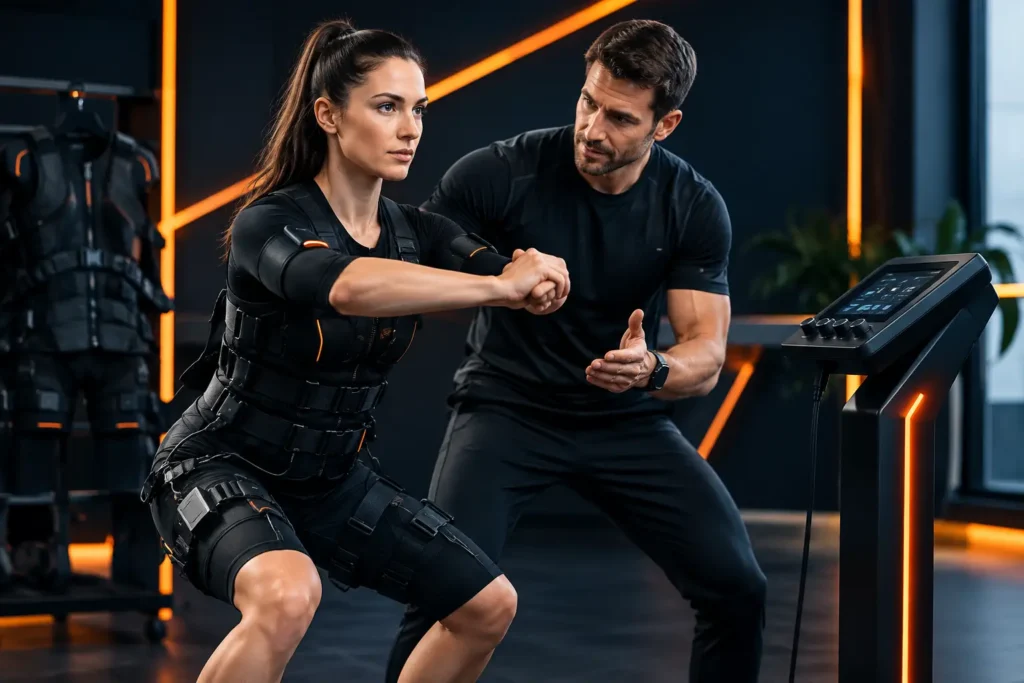

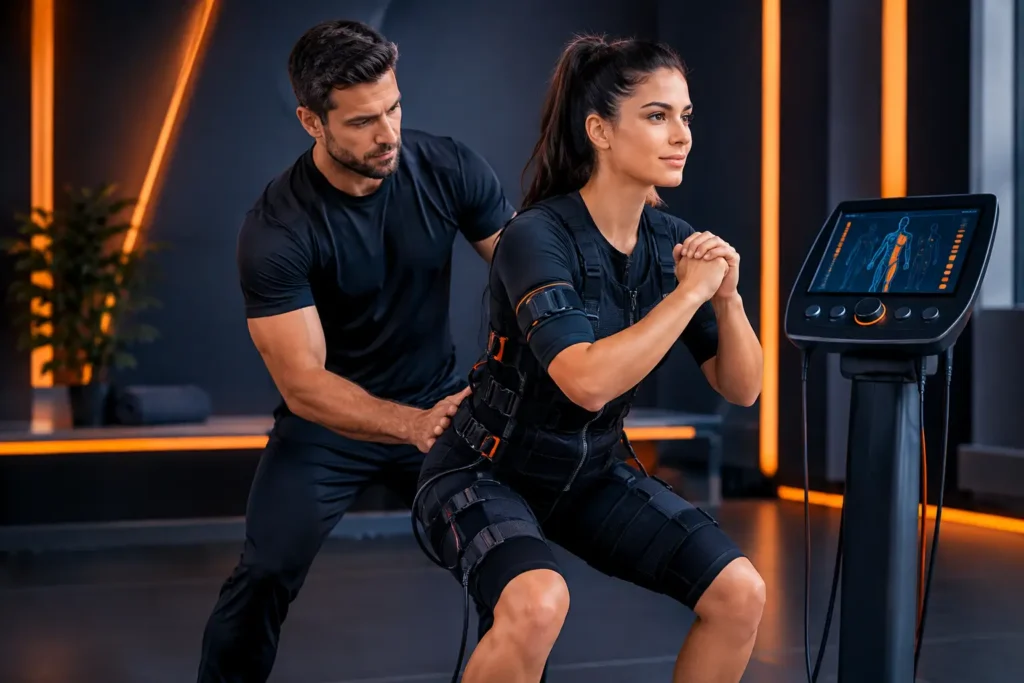
A client may only see a 20-minute EMS session. Your business sees everything around it: screening, setup, coaching, equipment checks, documentation, follow-up, and the standard of care that brings the client back. Clear EMS service protocols turn those moving parts into a repeatable professional service rather than a session that depends on who is on shift.
For a mobile trainer, protocols protect consistency when working across multiple locations. For a studio, they create a scalable operating standard for new coaches and higher client volume. For a premium wellness concept, they reinforce the controlled, personal experience clients expect. The format may change, but the principle does not: every client should receive a safe, well-managed service within the approved use of your EMS system.
Why EMS Service Protocols Matter Commercially
A protocol is not paperwork for its own sake. It is the operating system behind client confidence, staff accountability, and efficient delivery. When intake questions are handled differently by every trainer, garment fitting varies, or session notes are missing, quality becomes difficult to control. That can create unnecessary risk and make it harder to understand what is working in the business.
A documented process gives your team a clear answer to practical questions: Who is eligible to participate? What must be checked before activation? How is intensity progressed? What happens when a client reports discomfort? What should be recorded after the session?
It also helps separate professional EMS service from casual equipment use. A business that can explain its onboarding, supervision, hygiene, and follow-up standards is in a stronger position to earn referrals from clients and professional partners. The goal is not to make the experience feel clinical. It is to make it controlled, consistent, and easy to trust.
Build the Protocol Around the Full Client Journey
The strongest EMS operating procedures start before the first session and continue after the client leaves. Treat each stage as part of one service standard.
1. Pre-Session Screening and Eligibility
Screening is the point at which a business protects both the client and the operator. Use the device manufacturer’s current instructions, approved training materials, and applicable local requirements to establish who may use the system and who should not proceed without appropriate medical guidance.
Your intake process should collect relevant health information, previous EMS experience, training goals, and any changes since the client’s last visit. Do not allow a client to self-clear simply because they have used EMS elsewhere. Health status, medications, training tolerance, and individual circumstances can change.
Staff should know the difference between identifying a concern and giving medical advice. If a response falls outside your approved eligibility criteria, pause the session and direct the client to an appropriate healthcare professional when necessary. EMS training is not a replacement for medical assessment, treatment, or rehabilitation.
Keep the language clear. Clients should understand what the session involves, what they are expected to communicate during it, and why accurate answers matter. Consent forms should support the process, not replace a real conversation.
2. Equipment, Garment, and Hygiene Checks
A polished EMS session starts with preparation that the client may never notice. Before each appointment, the operator should inspect the system, cables or wireless components, electrodes, garments, fastenings, and power status according to manufacturer guidance. Any damaged, worn, or questionable component should be removed from service until it has been assessed or replaced.
Hygiene procedures need the same level of clarity. Define how garments and accessories are cleaned, dried, stored, and tracked between clients. The correct procedure depends on the specific EMS system, garment type, and manufacturer instructions. Wet EMS and dry EMS setups do not follow identical preparation routines, so avoid forcing one workflow onto another.
For example, a wet EMS service may require a defined process for garment moisture and contact preparation. A dry wireless concept will place greater operational focus on correct DrySuit or DryWear fitting, connection checks, and care procedures specified for that equipment. The business value is consistency: clients should not have to guess whether equipment is prepared to the same standard each visit.
3. Session Delivery and Client Communication
During the session, the trainer’s role is active. EMS should not become a set-and-forget service. The operator must remain present, observe movement quality, communicate clearly, and adjust the session within their training and the system’s approved operating guidance.
Set expectations before stimulation begins. Explain how the client should describe intensity, discomfort, dizziness, fatigue, or any unusual sensation. Use plain language and confirm that the client can ask to pause or stop at any time.
Intensity progression should be individualized, especially for first-time clients. There is no commercial advantage in pushing a new client too hard. An overly aggressive first experience can reduce confidence and damage retention. Build familiarity first, then progress only when the client is comfortable, technically competent in the selected movements, and suitable to continue.
A useful internal standard covers the start position, movement selection, coaching cues, intensity adjustments, rest periods, and stop criteria. It should also make clear that trainers must stay within their competence. If your service includes fitness training, keep programming appropriate to the client’s stated goals and current ability. If a client presents a medical concern, do not position the session as treatment.
4. Stop Rules and Escalation Procedures
Every coach needs confidence to stop a session. Create written stop rules that are easy to find and easy to apply. These should include client-reported symptoms or visible signs that require immediate cessation, as well as equipment faults and unexpected system behavior.
Your escalation process should state who the operator contacts, how an incident is documented, when equipment is taken out of service, and how follow-up is handled. The exact process will depend on your jurisdiction, insurance requirements, facility policies, and device instructions.
This is one area where vague language creates risk. “Use common sense” is not a protocol. A practical procedure gives staff a defined route: stop, assess within their role, record the event, notify the responsible manager, and seek appropriate assistance when required. Review events without blame so the business can improve its procedures.
Document What Supports Better Service
Documentation should be useful, proportionate, and handled in line with privacy obligations. It is not necessary to create unnecessary administrative work, but you do need a reliable record of the service delivered.
For each client, record intake status, consent, relevant screening updates, session date, trainer, general session parameters used in line with your system, client feedback, and any concerns or incidents. This makes continuity possible when another coach works with the same client. It also gives managers a clearer view of attendance patterns, progression, and operational issues.
For a growing studio, documentation supports quality control. For a mobile operator, it prevents details being lost between locations. For a multi-trainer business, it is essential. The more people involved in delivery, the less your service can rely on memory.
Train Staff to Follow the Standard, Not Just Use the Device
Equipment training is only one part of readiness. Staff also need practical service training: client communication, eligibility procedures, garment fitting, cleaning routines, session supervision, recordkeeping, and escalation steps.
Build onboarding around observed competence. A trainer should demonstrate that they can prepare the equipment, explain the service, conduct screening, deliver a supervised session, and close the appointment correctly. Then reinforce the standard through refreshers, spot checks, and documented updates whenever equipment, guidance, or operating procedures change.
The right level of protocol detail depends on your model. A solo mobile operator may use a concise checklist and client file system. A studio with multiple trainers needs more formal role definitions, shift opening and closing checks, and manager oversight. Premium concepts may add hospitality standards such as appointment preparation and privacy procedures. The foundation remains the same: one client experience, delivered reliably.
Make Protocols Part of Your Growth Plan
Before launching or expanding an EMS service, map the client journey and identify where inconsistency could appear. Write the process in language your team will actually use. Test it in real appointments, update it when you find friction, and keep it aligned with the current instructions for your equipment.
The best EMS service protocols do more than reduce uncertainty. They give operators the confidence to train staff, expand capacity, and present a credible service to clients who expect professional care. When the process is clear behind the scenes, the client experience feels simple, focused, and worth returning for.