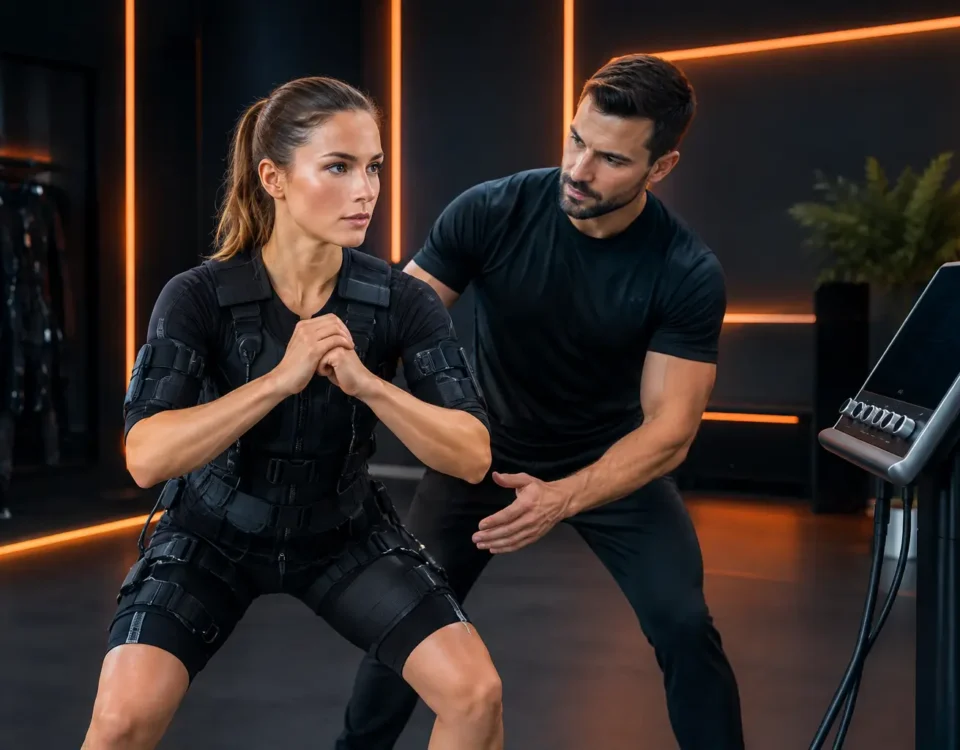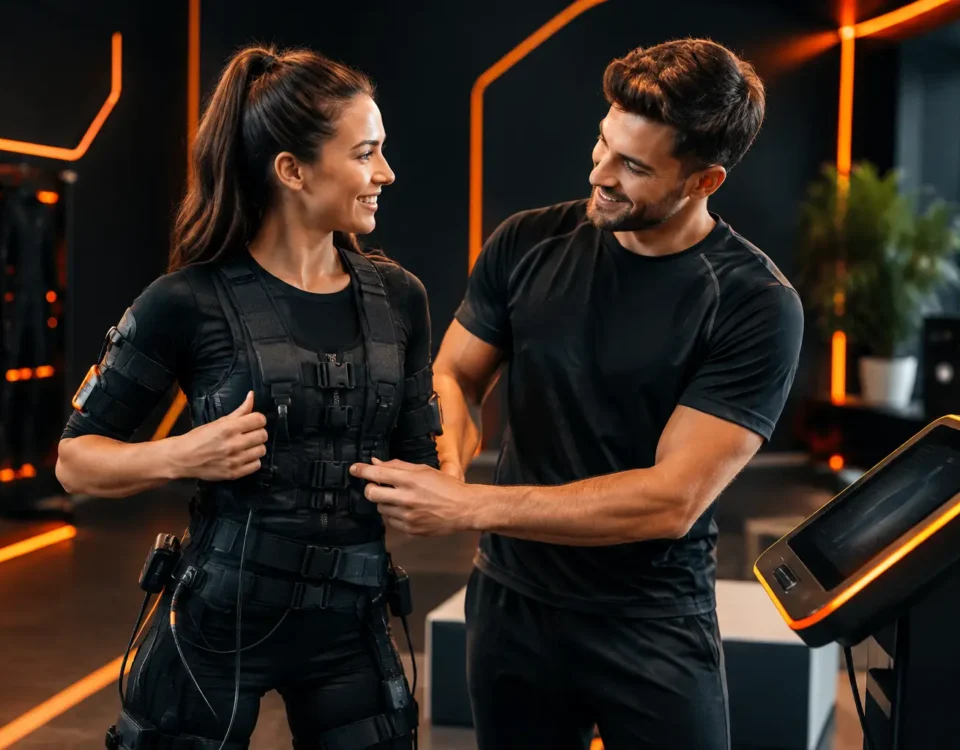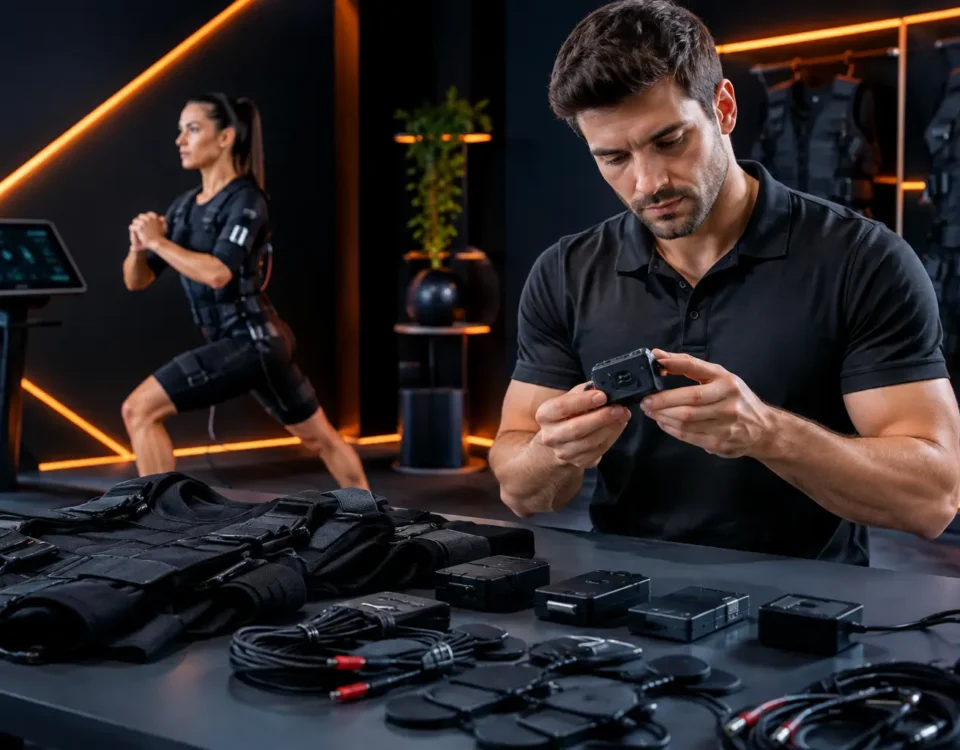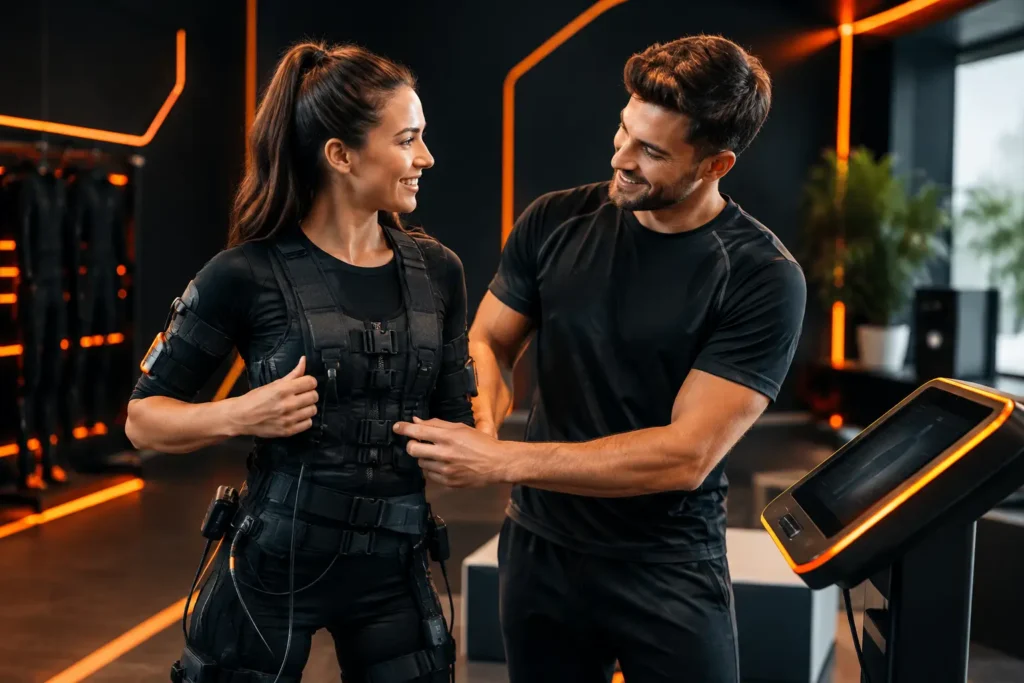

A client may see EMS as a 20-minute premium session. For the operator, it is a service that sits at the intersection of fitness delivery, electrical equipment, client screening, and local business regulation. The question, can trainers offer EMS legally, has no single nationwide yes-or-no answer in the United States. It depends on where you operate, what you claim, how you deliver the service, and whether your business controls risk professionally.
For personal trainers, gym owners, and wellness operators, the practical goal is not simply to buy an EMS system and begin booking sessions. It is to build an offer that fits your legal scope, insurance requirements, client safety procedures, and commercial model from day one.
Can trainers offer EMS legally in the United States?
In many cases, trainers can offer EMS as part of a fitness or wellness service. However, they must operate within state and local rules, use equipment as intended, maintain appropriate insurance, and avoid crossing into medical diagnosis, treatment, or rehabilitation unless they hold the required professional credentials and approvals.
There is no universal personal-training license that automatically authorizes every form of EMS delivery. Personal training is regulated differently from one state or municipality to another. Some locations have limited direct regulation of trainers, while others impose registration, credential, facility, consumer-protection, or health-club requirements. Your city may also have rules covering occupancy, electrical safety, business licensing, signage, or home-based and mobile services.
The legal line often becomes clearer when you look at the service itself. A trainer providing supervised exercise and describing EMS as a fitness modality is operating very differently from someone advertising treatment for pain, injury recovery, neurological conditions, or post-operative rehabilitation. The second scenario can trigger healthcare scope-of-practice issues and should be handled only within an appropriately qualified clinical setting.
This is why the safest commercial position is straightforward: offer EMS as supervised training or wellness support within the equipment’s approved intended use. Do not make medical claims, diagnose conditions, or present EMS as a replacement for clinical care.
The four areas that determine whether your EMS service is ready
1. Your professional scope and local rules
Start with the rules where sessions actually take place. A mobile operator may need to consider regulations in more than one city or county. A studio operator must also review facility requirements, landlord permissions, and local business licensing.
Your existing qualifications matter. A recognized personal-training certification can strengthen your professional foundation, but it does not replace local legal review. If you work with clients who have injuries, chronic conditions, implanted devices, or complex medical histories, establish a clear referral process. Trainers should not attempt to interpret medical suitability beyond their scope.
If your model includes collaboration with a physical therapist, physician, or clinic, document the responsibilities of each party. A business partnership does not automatically extend one professional’s clinical scope to another. Clear roles protect clients and make the operation easier to manage.
2. Equipment status and intended use
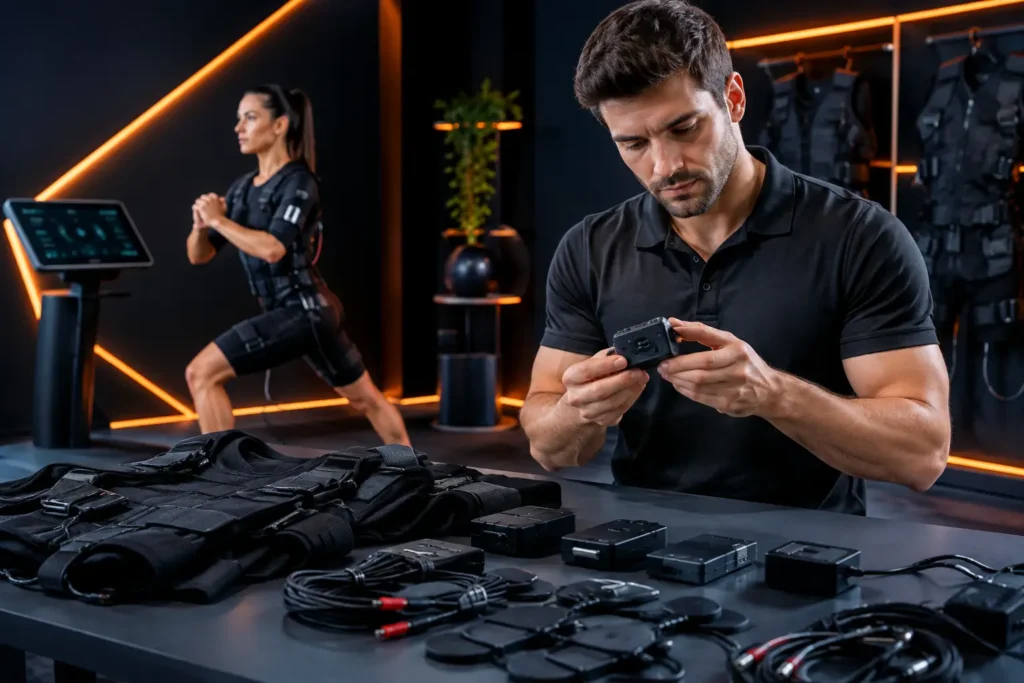
The equipment you use matters as much as the service you market. Before launch, confirm that the EMS system is supplied and documented for the market where you will operate. Keep product documentation, user manuals, maintenance instructions, and supplier records accessible.
Use the device only according to its manufacturer instructions. That includes setup, electrode or garment care, session settings, maintenance intervals, cleaning procedures, and any stated limitations. A trainer should not improvise modifications, use incompatible accessories, or represent features that the system does not provide.
This is particularly relevant when comparing EMS formats. A mobile wet EMS setup may suit one-to-one training and lower-overhead service delivery, while a dry wireless format may support a premium boutique experience with faster client preparation. The business model can change, but the operating discipline cannot. Every model needs documented equipment checks and staff competency.
3. Client screening, consent, and supervision
A professional EMS operation begins before the first impulse is delivered. Use a written pre-session health questionnaire, a clear informed-consent process, and a consistent policy for contraindications and referrals. The exact screening form should reflect the system instructions, your insurer’s expectations, and advice from qualified legal and clinical professionals where needed.
Consent should explain what the client can expect during a session, the purpose of the service, relevant risks, the importance of reporting discomfort, and the fact that they may stop the session at any time. It should not be treated as a waiver that excuses poor practice. Consent supports communication. It does not replace competent supervision.
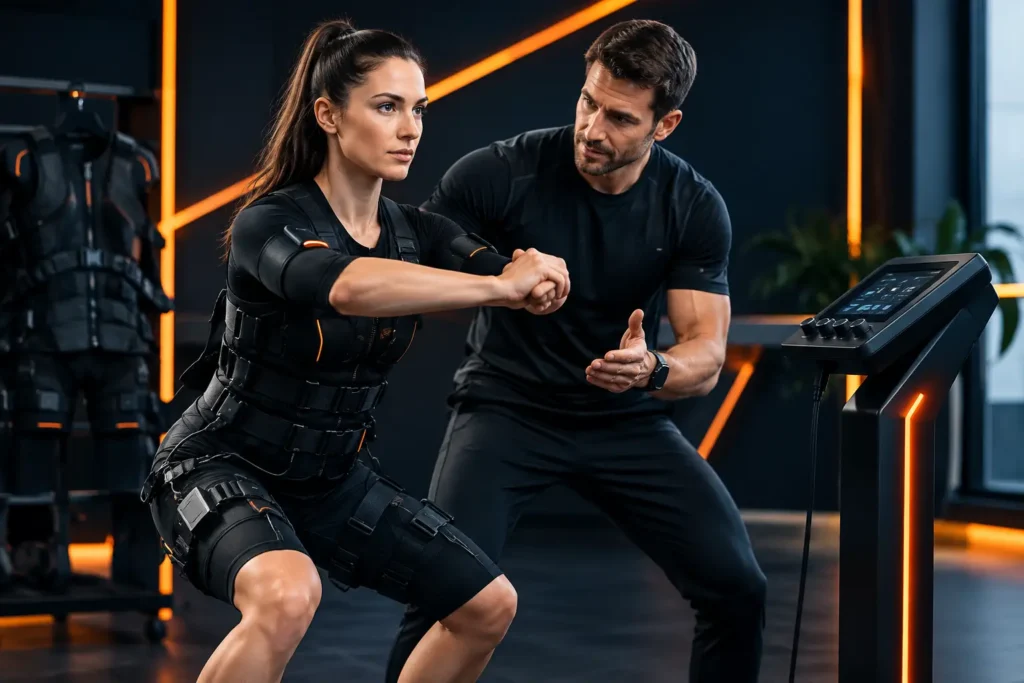
Session delivery should also be structured. Confirm garment fit or electrode placement according to instructions, begin conservatively, communicate throughout the session, and record meaningful session details. Training logs create operational consistency across a team and can be valuable if a client question arises later.
Avoid using aggressive marketing language that encourages clients to chase intensity. EMS is not a hands-off service. Professional supervision, sound programming, and appropriate progression are central to client experience and risk control.
4. Insurance and business documentation
Do not assume that standard personal trainer or general liability coverage automatically includes EMS. Speak with your insurance provider before offering paid sessions. Ask directly whether the policy covers electrical muscle stimulation, the specific type of service you intend to provide, mobile sessions if applicable, and the equipment being used.
You may need a combination of general liability, professional liability, equipment coverage, and coverage for employees or contractors. Requirements vary by insurer and business structure. If you lease space, your landlord may request proof of insurance or additional insured status before allowing EMS activity onsite.
Strong documentation makes insurance conversations easier. Build an operating file that includes your business registration, staff credentials, training records, equipment documents, maintenance log, screening and consent forms, incident procedure, and insurance confirmation. This is not unnecessary paperwork. It is the foundation of a business that can scale beyond one trainer.
Marketing language can create legal exposure
A trainer can operate responsibly and still create risk through advertising. The fastest way to blur the line between fitness and healthcare is to make treatment claims that your business cannot substantiate or legally provide.
Avoid language suggesting that EMS cures injuries, treats disease, guarantees body-composition outcomes, replaces physical therapy, or delivers rehabilitation results. Be equally careful with client testimonials. A customer’s experience should not become a claim that your service can promise the same outcome for everyone.
Better positioning focuses on the actual service: professionally supervised EMS training, personalized programming, efficient appointments, and a premium coaching experience. This is commercially strong without overpromising. It also gives your sales team a repeatable message that is less likely to create compliance problems.
Build the legal check into your launch plan
Before accepting your first EMS booking, complete a practical review with local counsel, your insurance provider, and your equipment supplier. The right order matters. It is far less costly to confirm your operating model before you print brochures, sign a lease, or sell packages.
| Launch area | Question to resolve | Business result | |—|—|—| | Local compliance | Are there state, city, facility, or mobile-service rules that apply? | A launch model that fits your location | | Professional scope | What services and claims can your staff legally provide? | Clear boundaries for staff and marketing | | Insurance | Does your policy specifically cover supervised EMS services? | Reduced exposure from coverage gaps | | Equipment operations | Are manuals, training, maintenance, and cleaning procedures in place? | Consistent service delivery | | Client protection | Are screening, consent, referral, and incident processes documented? | Better client experience and risk management |
For a solo trainer, this review may support a mobile, appointment-based model with controlled overhead. For a gym or studio, it may shape staff onboarding, room layout, capacity planning, and membership terms. For a clinic-adjacent or luxury wellness concept, it helps define where fitness services end and clinical services begin.
The practical standard: competent, documented, and appropriately positioned
Legality is not just a question of whether you can plug in an EMS device. It is the result of operating a service with the right credentials, approved equipment, suitable coverage, documented procedures, and honest client communication.
A capable equipment and business-support partner can help you organize system training, onboarding, operating procedures, and a model that fits your space and target client. But legal approval remains local, and final responsibility sits with the operator. Have qualified legal and insurance professionals review your specific plan before launch.
The most durable EMS businesses are built around that discipline. When your service is properly positioned and your team knows exactly how to deliver it, you can focus less on uncertainty and more on creating a professional experience clients will trust.