
A client’s first EMS appointment determines far more than whether they enjoy one training session. It sets the standard for safety, perceived value, adherence, referrals, and renewal. Knowing how to onboard EMS clients is therefore not an administrative task. It is a revenue and retention system.
For a new operator, the temptation is to focus on the equipment demonstration. That matters, but it is only one part of the experience. Clients need to understand what EMS training is, what effort it requires, how their plan will progress, and why consistent attendance matters. When those answers are clear before the first impulse is delivered, the client arrives for session two with confidence rather than uncertainty.
Start With the Right Client, Not the Fastest Sale
A strong EMS business does not try to enroll every inquiry into the same package. A mobile personal trainer, a high-capacity studio, and a premium wellness concept may serve different client profiles and price points. Your onboarding process should reflect the business model you operate.
Before booking a first session, use a short consultation to identify the prospect’s goal, training history, schedule, preference for private or small-group coaching, and budget range. Ask practical questions: Are they looking for a time-efficient strength and conditioning format? Do they need appointment times outside standard gym hours? Are they comfortable with coached electrical muscle stimulation training, or do they need more education first?
This conversation also protects your sales process. A client who wants unlimited access but can realistically attend only once a month is unlikely to see value in a high-commitment plan. A client who values privacy, scheduling flexibility, and personal attention may be better suited to a premium one-to-one offer. Match the service structure to the client instead of forcing the client into a standard script.
Just as important, complete appropriate health screening and informed consent before training. Follow the operating guidance for your equipment, your trainer education, and applicable local regulations. EMS is not a replacement for medical care, and clients with relevant health concerns should be directed to an appropriate healthcare professional before participating.
How to Onboard EMS Clients Before Their First Session
The best onboarding begins before the client enters the training area. Send a concise confirmation message 24 to 48 hours before the appointment. Explain what to wear, when to arrive, whether they should eat or hydrate as they normally would before exercise, and what the first session will include.
Avoid overloading the message with technical language. The goal is to remove friction. A client who knows where to park, what clothing is suitable, and that the appointment includes instruction is more likely to arrive calm and on time.
Your pre-session communication should establish three expectations. First, EMS training is coached training, not passive treatment. Second, intensity is individualized and built gradually. Third, the first appointment is partly an assessment, so it will feel more deliberate than a regular workout.
That last point is commercially valuable. It reframes the first session from a trial that must deliver maximum intensity into a professional evaluation that supports a better long-term plan.
Build a repeatable intake workflow
Consistency is essential when more than one coach serves clients. Create a documented intake workflow that every team member follows. It should cover client details, screening, consent, goals, baseline training information, garment fitting or equipment setup, and the initial service recommendation.
Use a CRM, booking platform, or structured digital form to record the information. Notes should be useful at the next appointment, not simply stored for compliance. If a client mentions a demanding travel schedule, a preference for morning training, or discomfort with a particular movement, the coach should see that context before the next session.
A professional intake process signals that your business has standards. It also makes growth easier. When you add coaches, open another location, or begin offering mobile EMS sessions, a documented workflow prevents the client experience from becoming dependent on one person’s memory.
Make the First EMS Session Feel Coached, Not Rushed
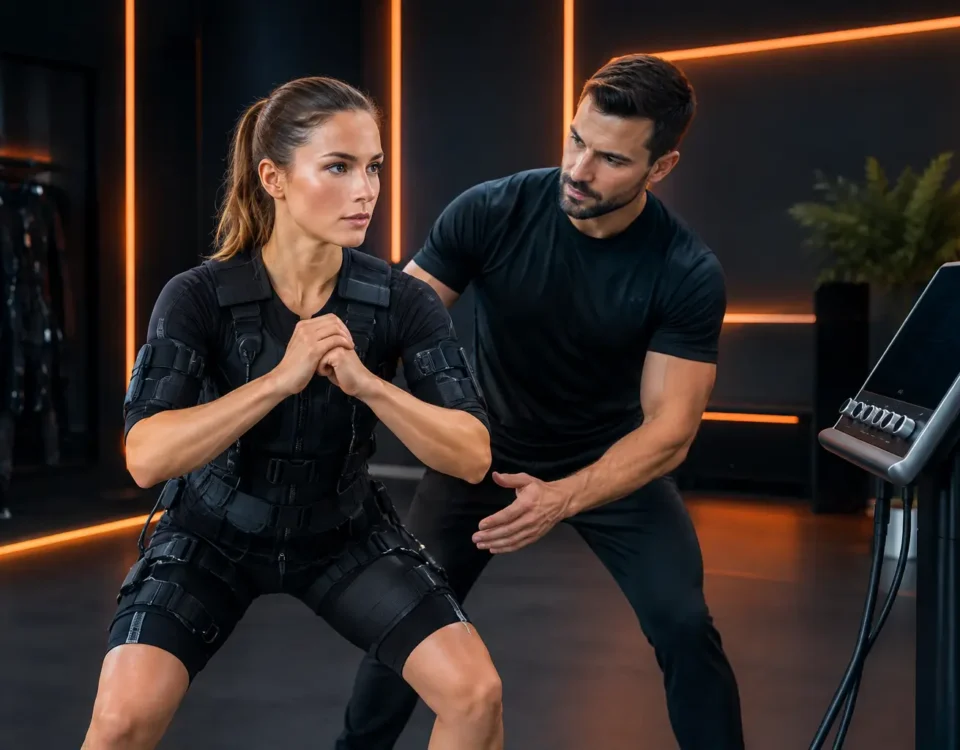
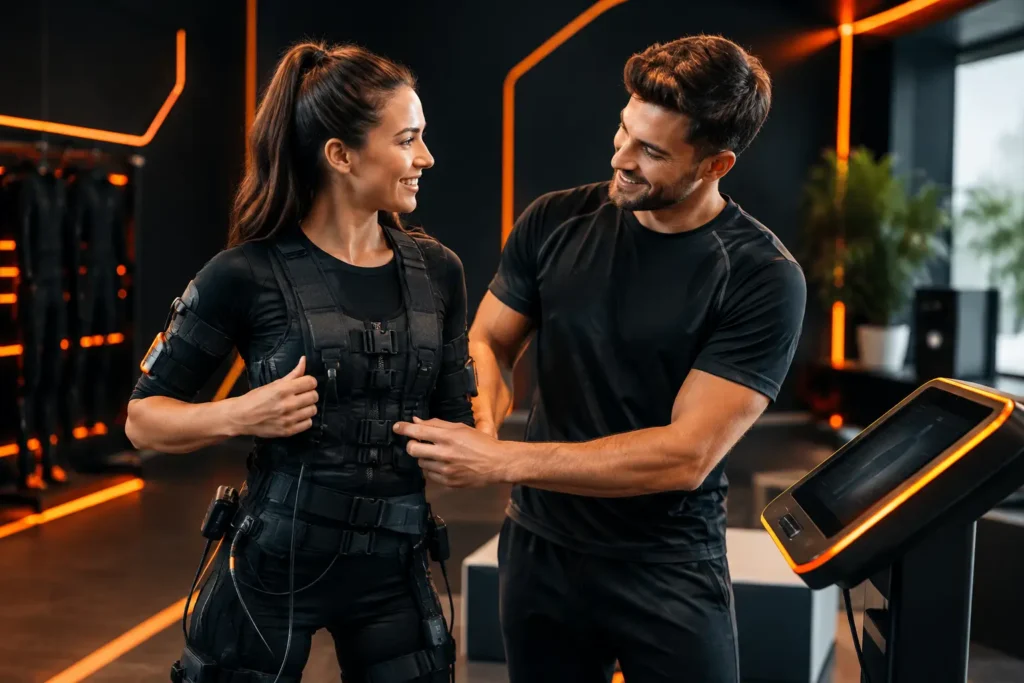
The first training session should be calm, controlled, and highly communicative. Begin by explaining the equipment in plain language. Show the client how intensity is adjusted, how they can communicate discomfort, and why you will check in across different muscle groups.
Then set the effort expectation honestly. EMS can create a demanding training stimulus, but it does not remove the need for good movement, coaching attention, and appropriate recovery. Tell clients that sensation differs from person to person. Their job is to give clear feedback. Your job is to manage intensity, technique, and progression.
Start conservatively. New clients often judge the service by how intensely they feel the stimulation, while experienced operators know that retention depends on a positive first experience. Excessive intensity can create anxiety, poor technique, or an avoidable reason not to return. The goal is not to impress the client with maximum output. The goal is to establish trust and leave them confident they can succeed with the program.
During the session, coach the movements as carefully as you would in personal training. Correct positioning, explain the purpose of each exercise, and connect the session to the client’s stated goal. Someone seeking efficient strength work needs to hear how the plan will fit their week. Someone joining a boutique wellness concept may place equal value on privacy, coaching quality, and the overall experience.
End with a brief review. Ask what felt manageable, what felt surprising, and whether anything needs adjustment next time. This feedback makes the client an active participant in the program rather than a passenger in a product demonstration.
Present the Plan After You Have Earned Trust
Do not lead every first appointment with a hard close. A better approach is to make the recommendation after the consultation and coached trial have demonstrated value.
Present a plan based on attendance reality, not a generic package sheet. Explain the recommended session frequency, likely progression, booking options, and support between appointments. Be clear about what is included: coaching, equipment use, session duration, scheduling terms, and any assessment or progress-review process.
The client should understand what they are buying and why. For example, a time-limited professional may value a recurring appointment that protects consistency. A client starting cautiously may prefer a smaller initial commitment before moving into a longer plan. Neither approach is universally better. The right option depends on motivation, schedule, and your service model.
Be careful with outcomes language. You can discuss improved training consistency, progressive coaching, and the role of EMS within an active lifestyle. Do not promise body transformations, weight-loss results, or medical outcomes. Clear, responsible claims build a stronger business than dramatic promises that create unrealistic expectations.
Turn Session Two Into the Real Retention Moment
Many operators invest heavily in the first trial and treat the second appointment like routine delivery. That is a missed opportunity. Session two is where the client decides whether EMS will become part of their schedule.
Reference their first-session feedback immediately. If they were unsure about a sensation or found a movement challenging, show that you remembered and adjusted. Review attendance expectations, reinforce their next booked session, and make the progression visible. A client should never have to wonder what happens after the introductory session.
Use simple progress markers that fit your business. These may include completed sessions, movement quality, working intensity tolerance, energy rating, or consistency against the planned schedule. Avoid turning every check-in into a dramatic measurement event. For many clients, reliable attendance and confidence in training are meaningful early wins.
At the end of session two, confirm the next appointments before the client leaves. The more decisions a client has to make later, the more likely attendance becomes inconsistent. A structured booking rhythm is especially valuable for mobile operators managing travel time and for studios protecting coach capacity.
Train Your Team to Deliver the Same Standard
Client onboarding is a business system, not a personality contest. Your strongest coach may naturally explain EMS well, but the process must still work when another coach handles the inquiry or conducts the session.
Build training around the moments that affect conversion and retention: consultation questions, safety communication, equipment fitting, intensity management, movement coaching, plan presentation, and follow-up. Review real client scenarios with your team. A busy executive, a first-time gym client, and a high-performance fitness enthusiast may all need different language, even when the service protocol remains consistent.
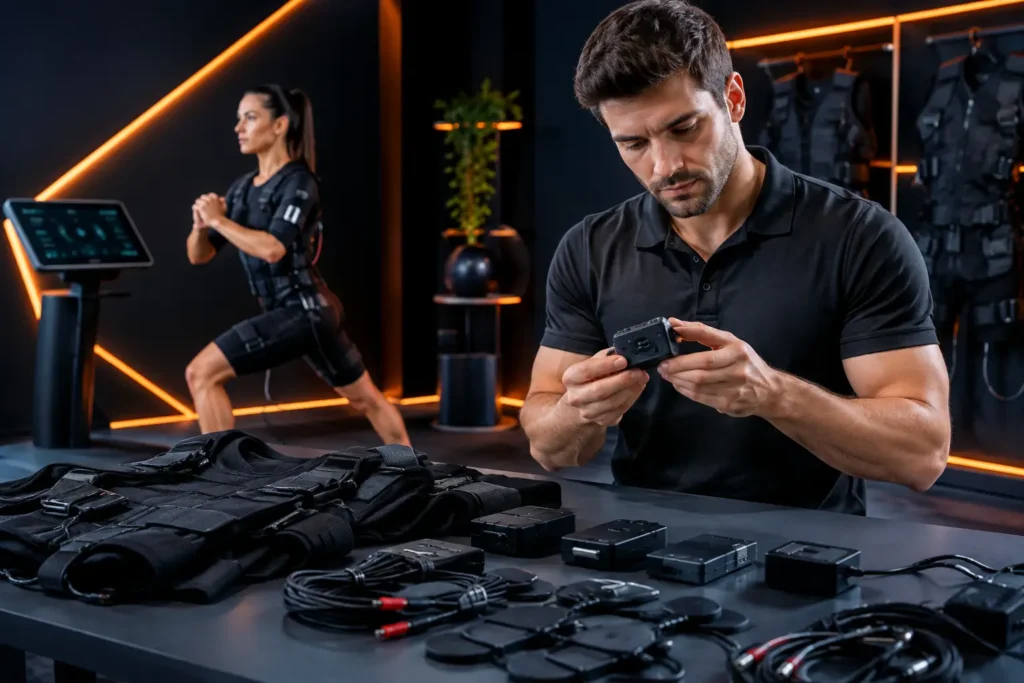
Equipment support matters here as well. Reliable systems, spare-part access, operator training, and clear setup procedures reduce interruptions that can damage the first impression. EMS Leader works with operators on the commercial and operational side of launch because a profitable EMS service depends on more than the device itself.
A well-run onboarding process gives clients a reason to trust your coaching, return consistently, and recommend the experience to others. Build it before you chase volume. The business becomes easier to scale when every new client starts with the same clear path forward.