

A client asks, are EMS sessions safe, just before their first appointment. The quality of the answer can shape trust, retention, referrals, and the reputation of your business. The right answer is not a blanket yes or no. EMS can be delivered responsibly when the client is appropriately screened, the equipment is used as intended, and a trained professional controls the session from start to finish.
For operators, safety is not a small compliance task added after launch. It is part of the service model. A clear screening process, controlled intensity progression, accurate records, and confident coaching create a more professional client experience while reducing avoidable operational risk.
Are EMS Sessions Safe? The Practical Answer
EMS training uses electrical impulses to stimulate muscle contractions during guided exercise or static positions, depending on the protocol and system. The sensation is unfamiliar to many first-time clients, which is exactly why professional supervision matters. The operator should explain what the client will feel, confirm that intensity remains tolerable, and adjust channels individually rather than assuming one setting fits everyone.
Safety depends on several variables working together: the client’s health status, the suitability of the session plan, the condition and correct application of the equipment, and the competence of the person leading the session. An EMS device is not a set-and-forget service. It requires active observation and informed decisions during every appointment.
This is also why a professional EMS business should avoid positioning sessions as medical treatment or a replacement for clinical care. Clients with pain, a medical condition, or uncertainty about their readiness should be directed to an appropriate healthcare professional before participating.
Start With Client Screening, Not the Workout
The safest EMS session begins before the suit is fitted. A structured intake helps identify whether a client may participate, needs medical clearance, or should not use EMS. The exact contraindications and precautions must follow the device manufacturer’s instructions, applicable local requirements, and the client’s healthcare guidance.
A professional intake should document relevant health information, current concerns, prior experience with EMS, and informed consent. It should also give clients a clear opportunity to disclose changes before every session. A client who was suitable last month may need a different decision today because of a new diagnosis, medication change, illness, pregnancy, injury, or procedure.
Common situations that require particular attention include implanted electronic devices, certain cardiovascular conditions, seizure disorders, pregnancy, acute illness or fever, active cancer treatment, significant skin issues in electrode areas, and recent surgery. This is not a complete medical checklist, nor is it a basis for an operator to make a diagnosis. It is a reminder that screening must be built into the service rather than handled casually at reception.
When information is incomplete, the conservative choice is the professional choice. Postponing a session or requesting medical clearance protects the client and demonstrates that your studio has standards.
Make the Intake Operationally Consistent
A verbal question alone is easy to forget and difficult to verify. Use a repeatable process that every coach follows: an initial health questionnaire, a consent process, a pre-session check-in, and secure session records. Staff should know when they can proceed, when they should escalate a concern internally, and when the session must not take place.
This consistency matters even more for mobile EMS operators and multi-coach studios. As client volume grows, informal processes become harder to control. Documented procedures help ensure that the experience remains professional across every appointment, coach, and location.
Supervision Determines How Safe the Experience Feels
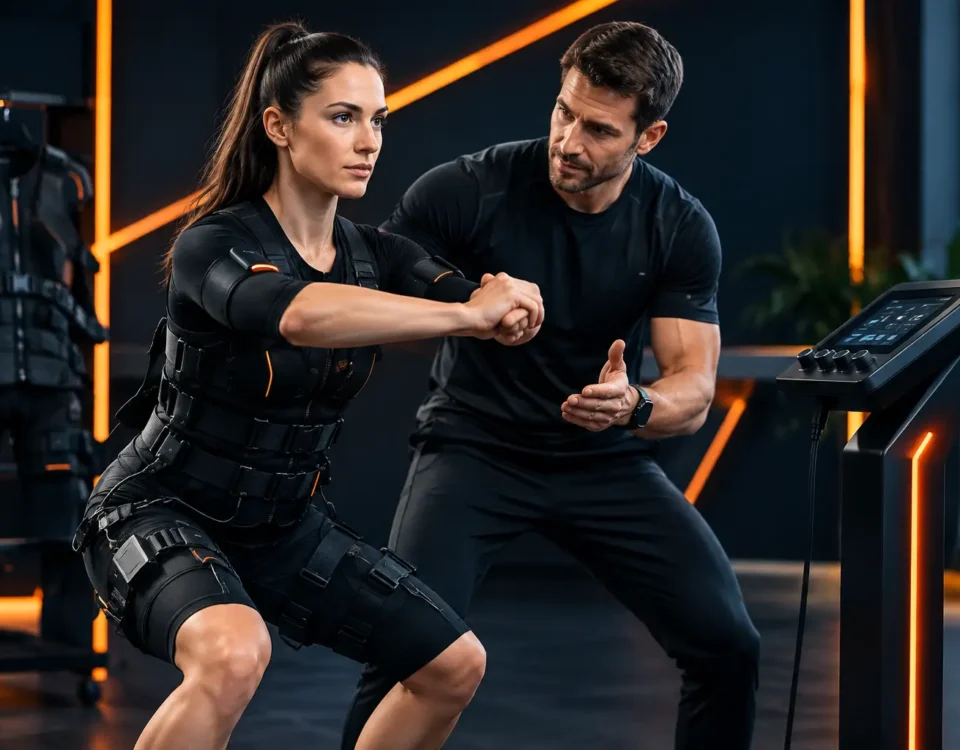
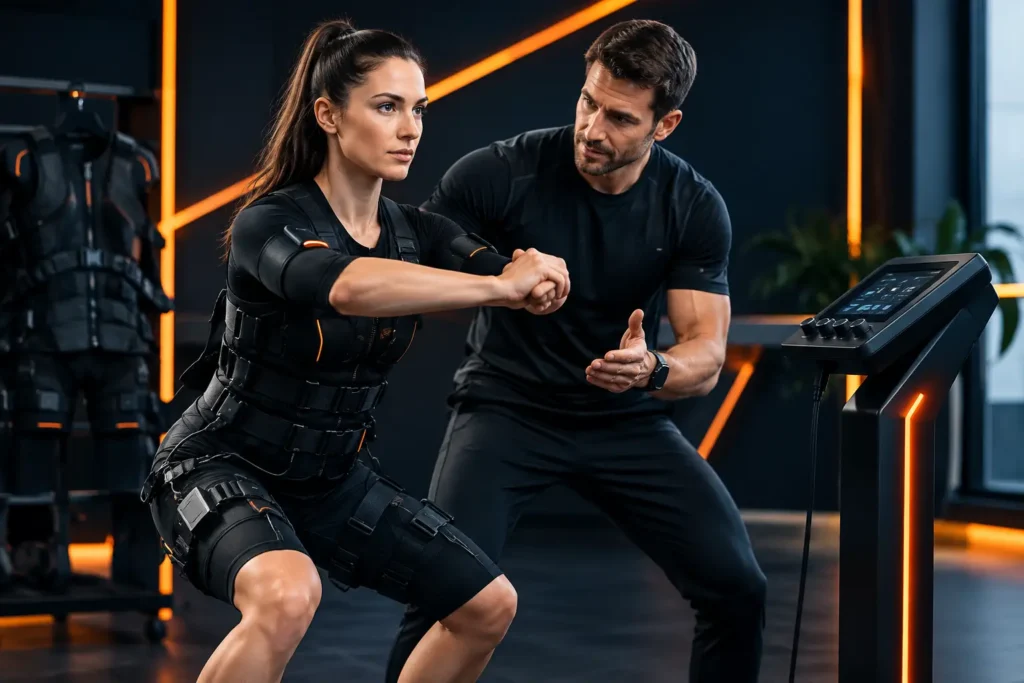
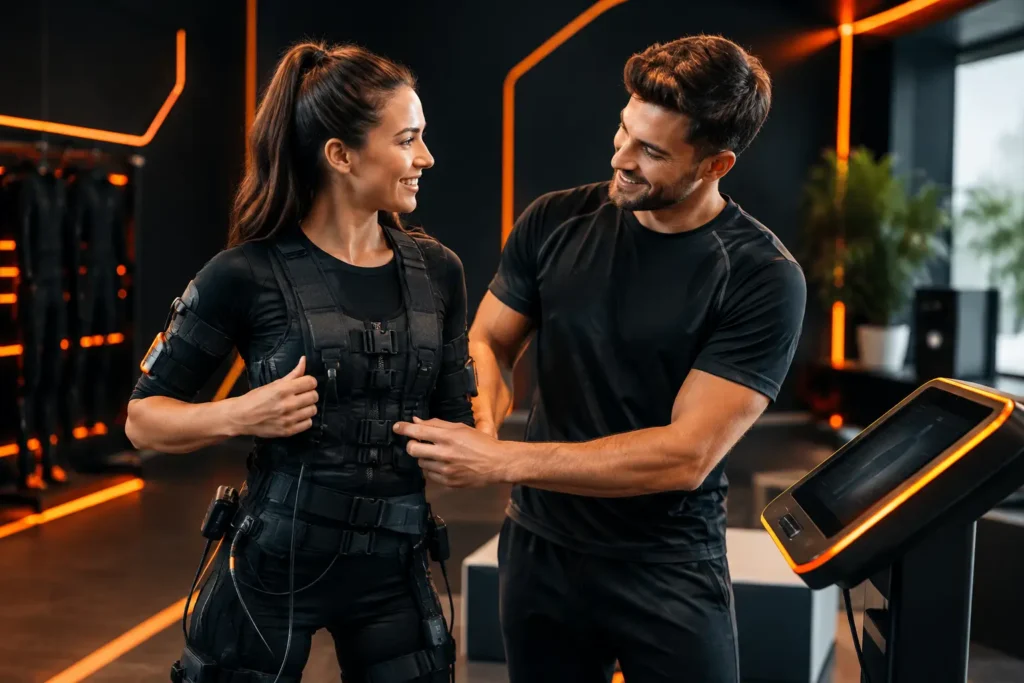
A client should not be left alone to manage an EMS session. The coach needs to remain present, monitor comfort and movement quality, and respond immediately if the client reports pain, dizziness, unusual discomfort, or any concerning symptom. The session should stop when needed. There is no commercial reason to push through a warning sign.
First sessions deserve a conservative approach. Begin with lower intensity, explain the controls, allow time for adaptation, and increase only according to the client’s response. A client’s previous gym experience does not automatically mean they are ready for high EMS intensity. The sensation, muscle recruitment, and recovery demands can be different from conventional training.
Coaches should also avoid treating intensity as the sole measure of value. Strong coaching, appropriate exercise selection, clear pacing, and client communication are what make EMS feel controlled and premium. More intensity is not automatically better, and it should never become a sales promise.
Recovery Is Part of Session Planning
Operators should plan frequency and progression responsibly, especially for new or returning clients. Hard sessions too close together can be counterproductive. A well-run business sets expectations around recovery, hydration, sleep, nutrition, and reporting any unexpected symptoms after training.
The goal is not to create the most extreme first appointment. The goal is to create a service clients can understand, tolerate, and continue using under professional guidance. That approach supports both client confidence and long-term retention.
Equipment Setup Is a Safety Procedure
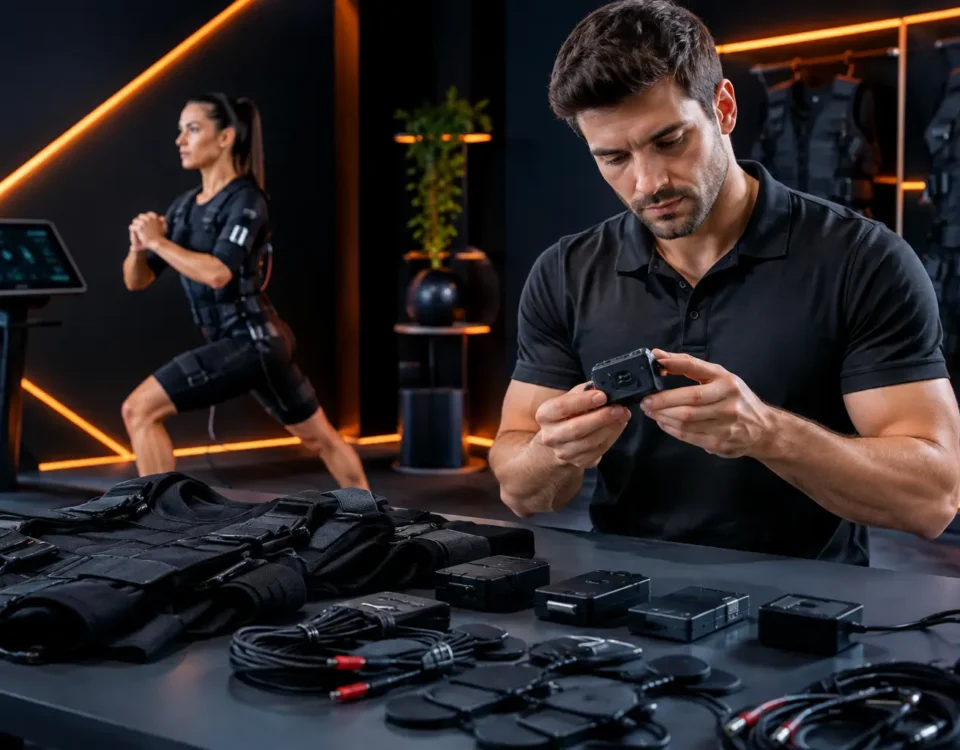
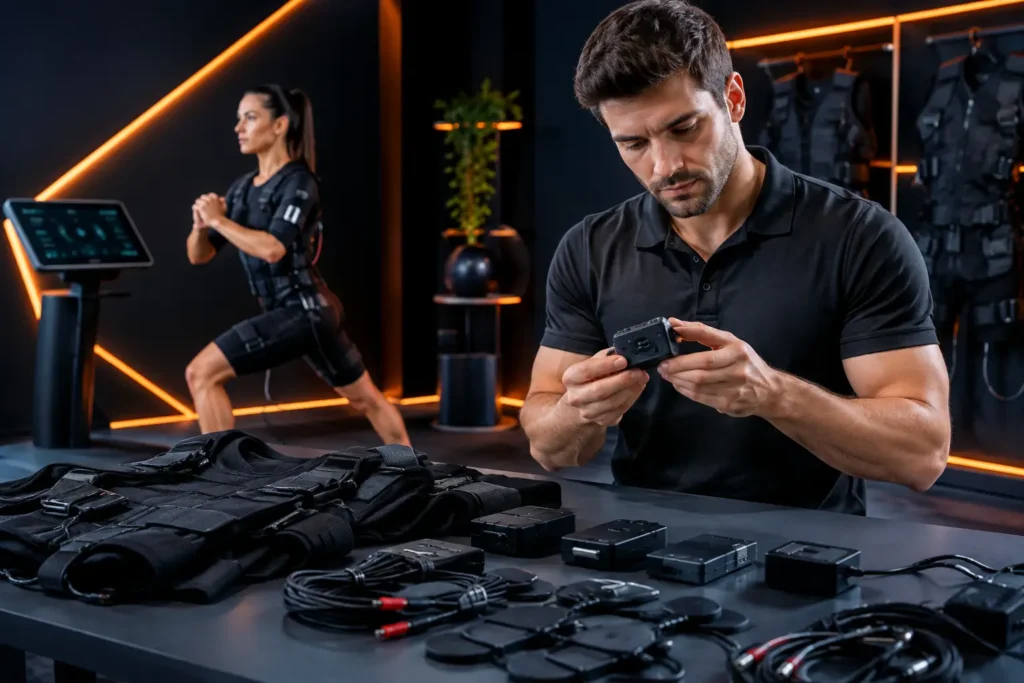
Even the best coaching cannot compensate for poorly maintained equipment or incorrect setup. Before each session, inspect the system, suit, cables or wireless components, electrodes, connectors, and control unit according to the manufacturer’s instructions. Damaged or worn components should be removed from use until they are assessed or replaced.
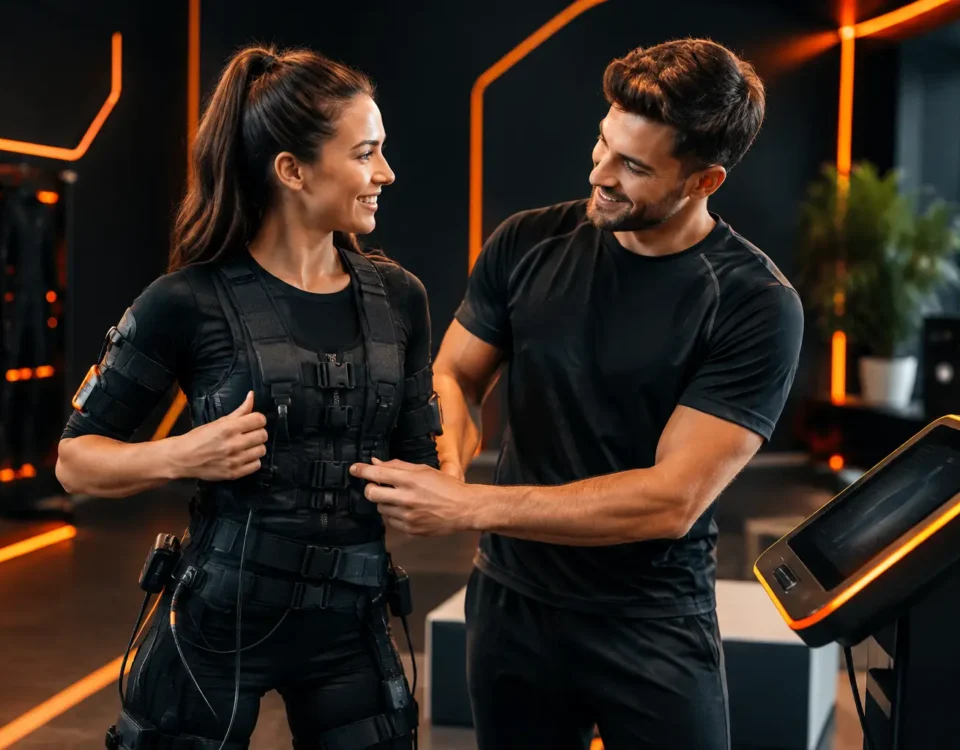
Correct fit and electrode contact matter. The client should be comfortable, able to move safely, and positioned so the system functions as intended. Operators should follow the specific preparation requirements for their equipment. Wet EMS and dry EMS systems use different contact approaches and operating procedures, so staff must not transfer assumptions from one format to another.
Hygiene is equally practical. Cleaning, drying, storage, and garment-handling procedures should protect client comfort and preserve equipment condition. A rushed turnover process can create preventable problems for both the client experience and the lifespan of the system.
A simple operating standard can guide the team:
- Inspect equipment before use and remove damaged items from service.
- Confirm correct fit, contact, and client comfort before increasing intensity.
- Use only approved settings, accessories, and cleaning procedures for the specific system.
- Record faults, maintenance actions, and recurring setup issues.
Build Safety Into Staff Training
A capable EMS coach needs more than an ability to turn on a device. They need to understand client onboarding, contraindication screening, intensity management, exercise coaching, emergency procedures, hygiene, and documentation. They should also know the boundaries of their role. An EMS professional can coach a session and recognize a reason to stop. They should not diagnose conditions or make medical claims.
Training should not end after installation. Schedule refreshers, review incident procedures, and standardize how staff communicate with clients. Consistent language prevents mixed messages, especially when clients ask whether EMS is appropriate for a specific health concern.
For studio owners, this is a management advantage. A well-trained team can deliver a more consistent service, explain the process with confidence, and protect the business from the variability that appears when every coach improvises.
A Safety-First Model Supports Better Business Decisions
Safety and commercial performance are not competing priorities. They reinforce each other. Clients are more likely to trust a service that has a professional intake, clear boundaries, attentive supervision, and transparent communication. These details also help distinguish a serious EMS operation from a low-control, transaction-focused offer.
Before choosing a system or business model, evaluate the operational workload behind it. Consider how many clients a coach can supervise appropriately, how garments are cleaned and maintained, how records are stored, how staff are trained, and how technical support will be handled. A mobile model, studio model, and premium dry EMS concept can each be viable, but all require procedures that match the service environment.
The strongest EMS businesses do not try to persuade every person to train. They create a process that identifies the right client, delivers a controlled experience, and earns confidence session by session. Make that standard visible from the first inquiry, and safety becomes one of the clearest reasons clients choose to return.