
A successful EMS business is not built by choosing a device from a catalog. It is built by choosing studio equipment from an EMS supplier, EMS distributor, or EMS wholesale partner that fits the way you plan to operate, sell, and grow. The wrong setup can create unnecessary capital pressure, limit appointments, or leave your team without the training and technical support needed to deliver a consistent client experience.
For a trainer entering the market, a mobile setup may be the most practical route. For a gym, clinic, or established wellness center, a multi-client studio model can create a more scalable service line. For a premium boutique concept, dry wireless EMS may support a higher-touch, VIP positioning. The equipment matters, but the commercial model behind it matters just as much.
Studio Equipment Starts With the Business Model
Before comparing technical specifications, define the business you are actually launching. This decision affects your investment level, staffing requirements, booking capacity, client pricing, and the space you need to operate.
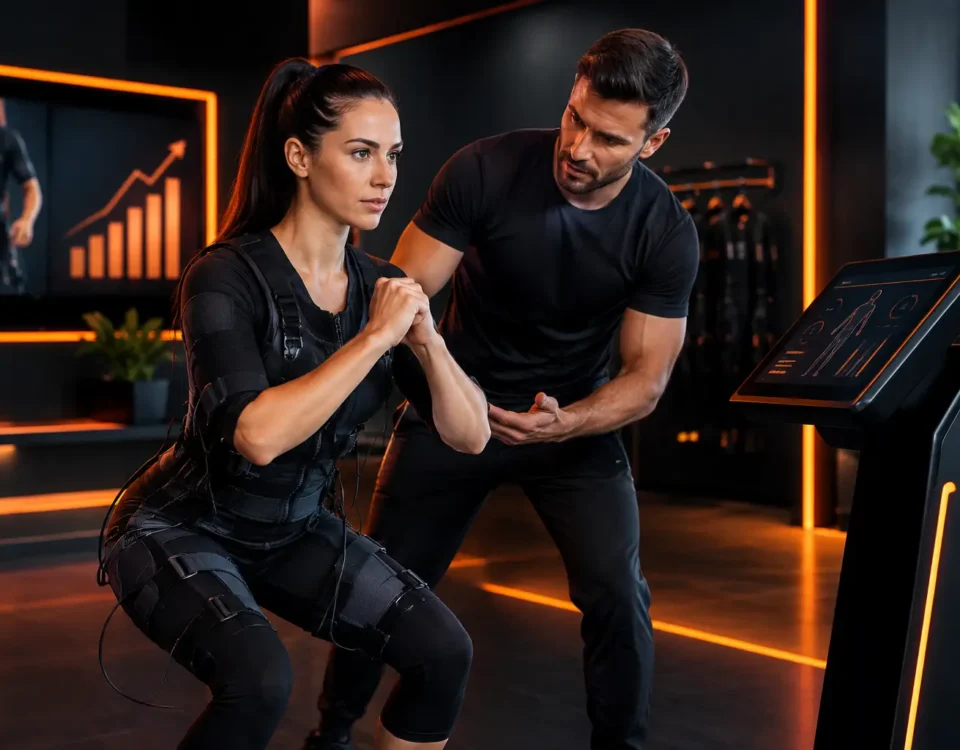
A mobile EMS model is often suited to personal trainers and solo operators who want to serve clients at home, in partner facilities, or in compact private spaces. Mobility keeps overhead lower and makes it possible to build demand before committing to a dedicated location. The trade-off is capacity. One-to-one appointments create a personal service experience, but revenue is tied closely to the trainer’s available hours.
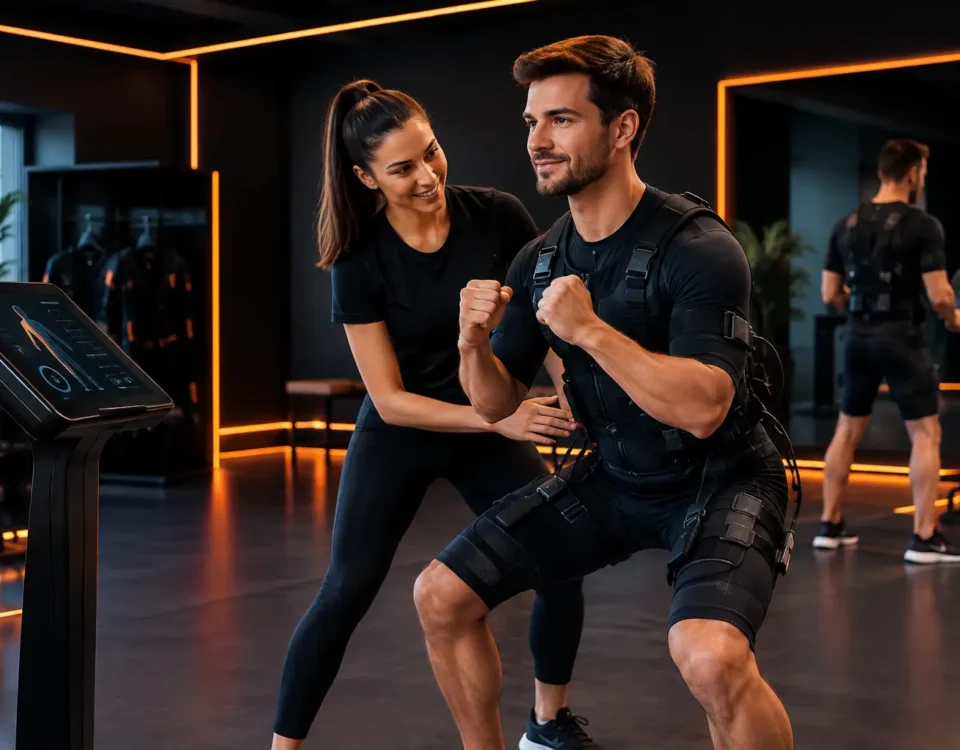
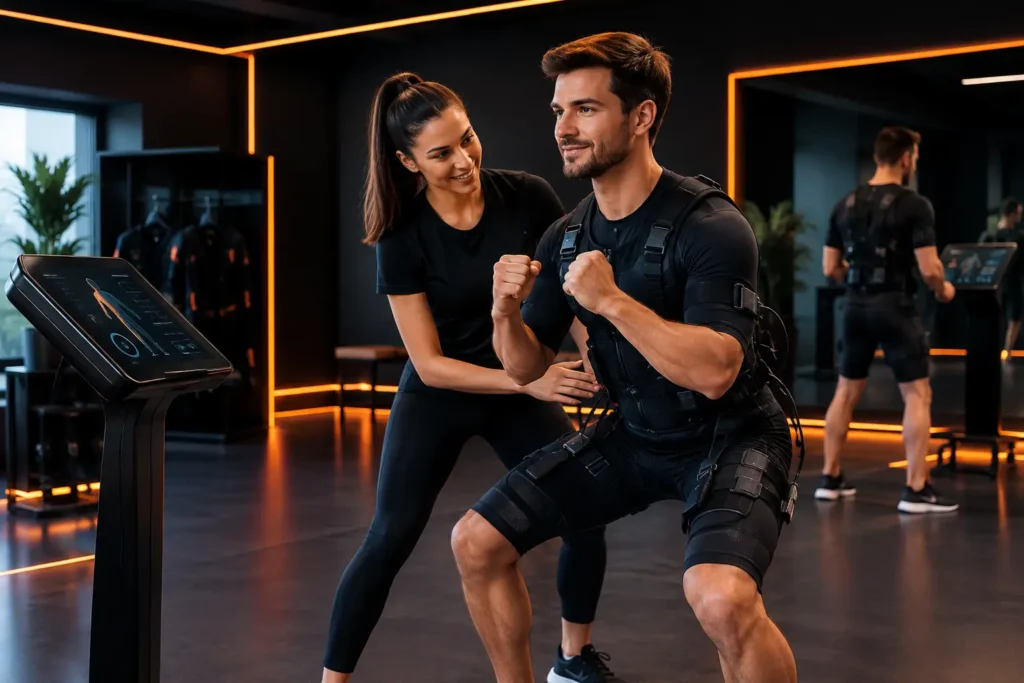
A studio EMS model is designed for operators who want to serve multiple clients in scheduled sessions. This structure can suit gyms adding an EMS department, clinics expanding their wellness offering, and dedicated studios with a recurring membership or package model. It requires more operational planning, including room layout, coach scheduling, cleaning procedures, and lead generation, but it can create greater session throughput.
Premium dry wireless EMS is a different commercial proposition. It is often selected for boutique wellness concepts, luxury clubs, longevity spaces, and private training environments where convenience, presentation, and an elevated client journey carry real value. It may require a stronger brand position and more refined sales process, but it can help an operator differentiate beyond standard gym services.
What to Expect From an EMS Supplier
An EMS supplier should help you evaluate whether a system is commercially appropriate, not simply confirm that a unit is available. Equipment is only one part of your operating system. You also need a clear plan for training, setup, accessories, maintenance, client onboarding, and future expansion.
A serious supplier conversation should begin with practical questions. How many sessions will you run per day? Will clients train individually or in groups? Are you working from a fixed location, or traveling to clients? Who will operate the system? What is your expected sales model: sessions, memberships, packages, or a premium private service?
The answers determine the appropriate configuration. Buying more capacity than you can sell immediately can strain cash flow. Buying too little capacity can create bottlenecks as demand builds. The best choice is usually not the largest system. It is the system that supports the next stage of your business while leaving room to expand with confidence.
Support Is Part of the Equipment Decision
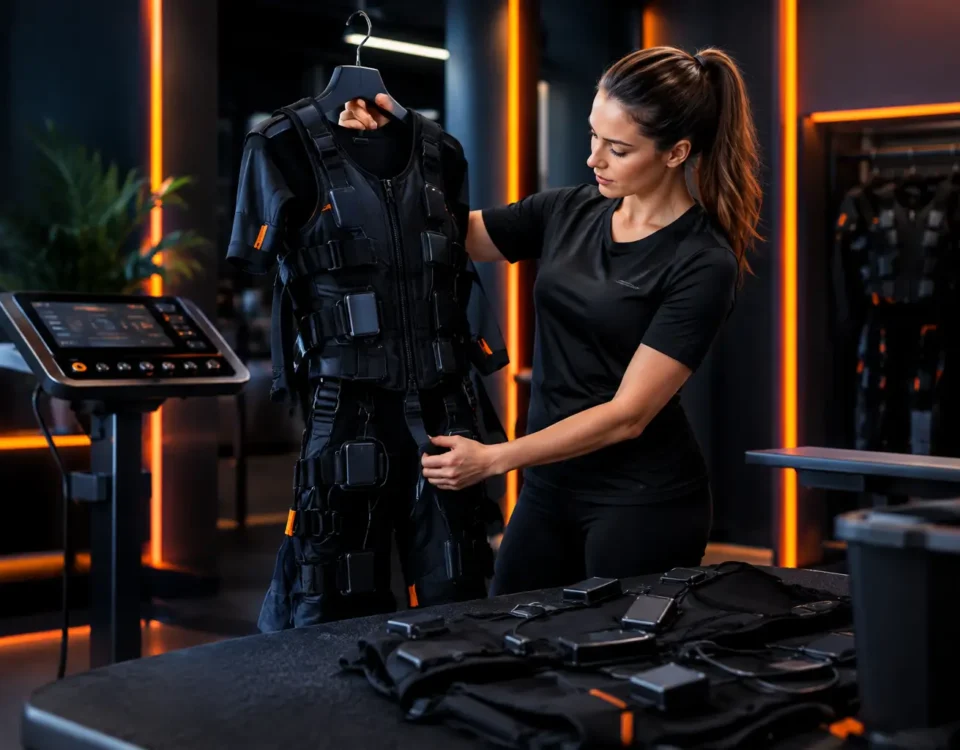
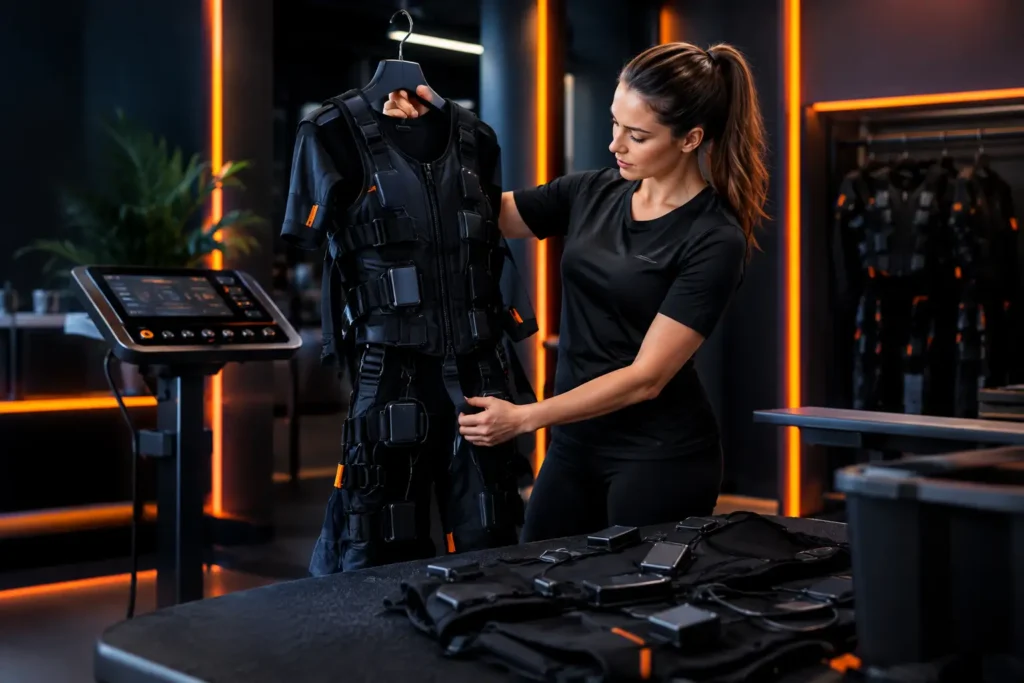
The most overlooked question is what happens after delivery. An EMS system requires trained use, correct setup, access to consumables and spare parts, and responsive technical guidance when operations cannot pause.
For first-time operators, onboarding can reduce the learning curve significantly. Training should cover safe operation, session structure, equipment care, client communication, and the practical workflow of running appointments. Commercial guidance also matters. A capable operator needs to know how to package the service, explain its value, organize trial sessions, and maintain a professional client journey.
This is where a partnership-led supplier model has a clear advantage over a basic transaction. EMS Leader supports operators with equipment access alongside setup, training, warranty coverage, accessories, and business consultation. That structure is especially valuable when the goal is to launch a business, not merely purchase hardware.
EMS Distributor or EMS Wholesale: Know the Difference
The terms EMS distributor and EMS wholesale are often used interchangeably, but they can describe different buying needs.
An EMS distributor relationship is generally more relevant when you want local market support, product knowledge, installation coordination, training access, and an ongoing channel for service and parts. This can be the right route for a studio owner, gym manager, or clinic operator who wants a dependable commercial partner throughout the equipment lifecycle.
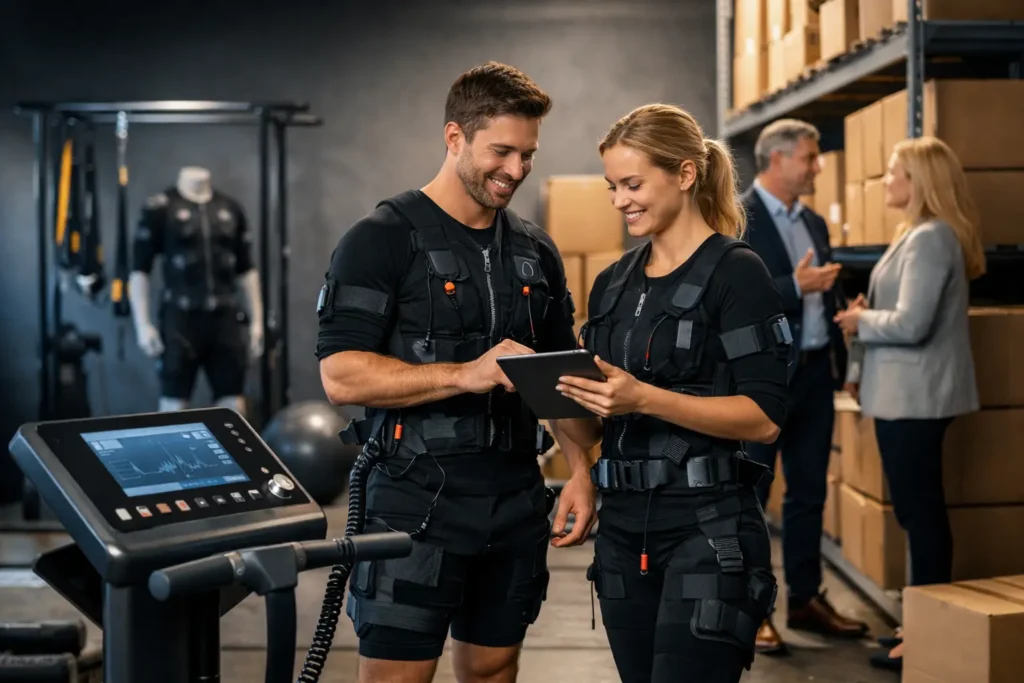
EMS wholesale is more relevant for buyers managing larger volumes, multiple locations, resale activity, or regional market development. Wholesale buyers need consistency in supply, clear commercial terms, product documentation, and a support structure that can scale with their network. The focus shifts from a single studio launch to repeatable deployment across a portfolio or partner base.
Neither route is automatically better. A single-location operator may benefit more from hands-on support than from volume-focused purchasing. A growing distributor may need wholesale capacity, training resources, marketing direction, and spare-parts planning to serve downstream customers effectively. The key is to choose a partner aligned with your role in the market.
Compare the Full Cost of Operating
A low upfront figure can look attractive until the operating requirements become clear. Equipment evaluation should include the total picture: financing structure, installation needs, operator training, warranty coverage, accessories, replacement parts, service response, and the cost of downtime.
Flexible acquisition models can change the decision substantially. Rental and rent-to-own options can help preserve working capital for marketing, staffing, rent, and client acquisition. Direct purchase may make more sense for an established operator with available capital and a confirmed rollout plan. There is no universal answer. It depends on your cash position, risk tolerance, and confidence in your local demand.
Use a simple commercial test: can the planned service format generate enough booked sessions to cover its monthly operating commitments while leaving budget for growth? Avoid building projections around perfect occupancy. A more disciplined plan assumes a gradual ramp-up, marketing costs, coach availability, and normal operational variation.
A Practical Studio Equipment Evaluation Table
| Decision area | Questions to ask | Why it affects growth | |—|—|—| | Client capacity | How many clients can train in each session? | Determines scheduling potential and staffing needs. | | Operating format | Mobile, studio-based, or premium private service? | Shapes your overhead, positioning, and sales process. | | Training | Is structured operator training available? | Helps protect service quality and team confidence. | | After-sales support | How are warranty, parts, and technical issues handled? | Reduces disruption when equipment needs attention. | | Financing | Is rental, rent-to-own, or purchase available? | Helps match the investment to your cash-flow strategy. | | Expansion | Can the setup grow with another coach, room, or site? | Prevents an early equipment decision from limiting growth. |
Build the Client Experience Around the System
Clients do not judge an EMS service only by the equipment they see. They judge the consultation, the professionalism of the coach, the cleanliness of the setup, the clarity of the session, and the confidence of the follow-up. Equipment supports that experience, but it does not replace it.
A strong launch plan includes a defined first-session process, staff scripts for explaining the service, booking and cancellation rules, and a clear offer for clients who want to continue. Studios that treat EMS as an isolated machine service often struggle to build retention. Operators who package it as a structured, coached wellness or fitness experience have a stronger foundation for repeat business.
For gym owners, EMS can also work as a premium add-on that creates a more personalized service tier. For clinics and wellness centers, the fit depends on the scope of the existing business and how the service is presented within non-medical fitness and wellness operations. For mobile trainers, it can create a focused offering with lower fixed overhead and a high level of client attention.
Choose for Launch Speed and Long-Term Confidence
The right studio equipment decision should make your next move easier: opening a first service line, increasing session capacity, entering a premium segment, or developing a distribution opportunity. Do not separate the machine from the operating plan. Ask how the system will be financed, who will use it, how clients will be acquired, and where support will come from when the business is live.
The best EMS partner is the one that helps you make a commercially sound start, then stays useful when your first sessions become a full operating schedule.