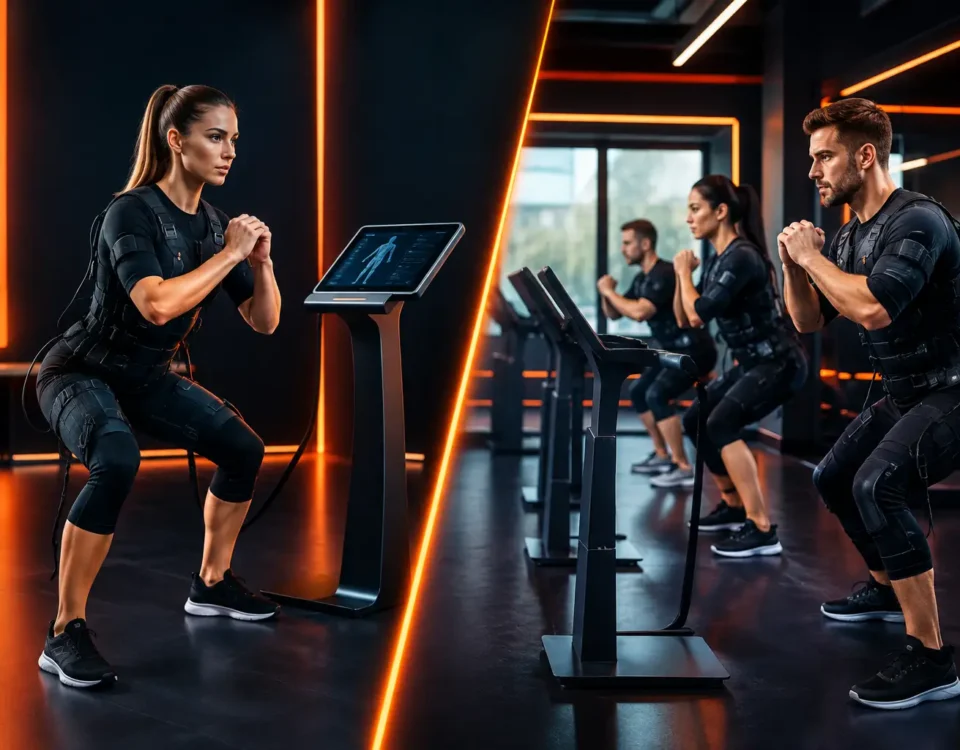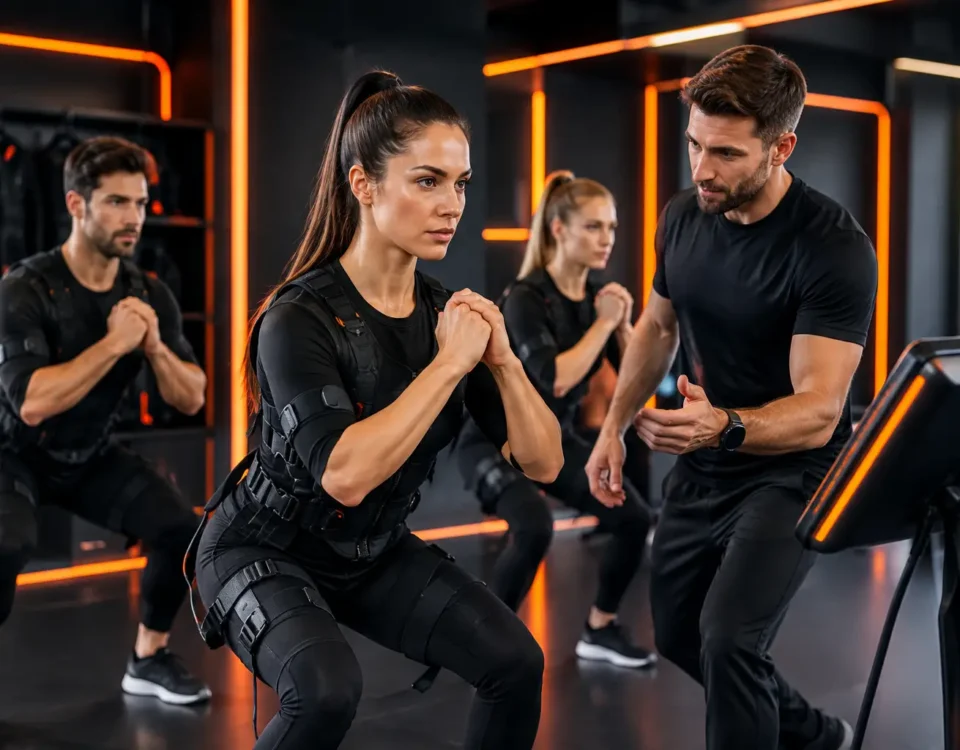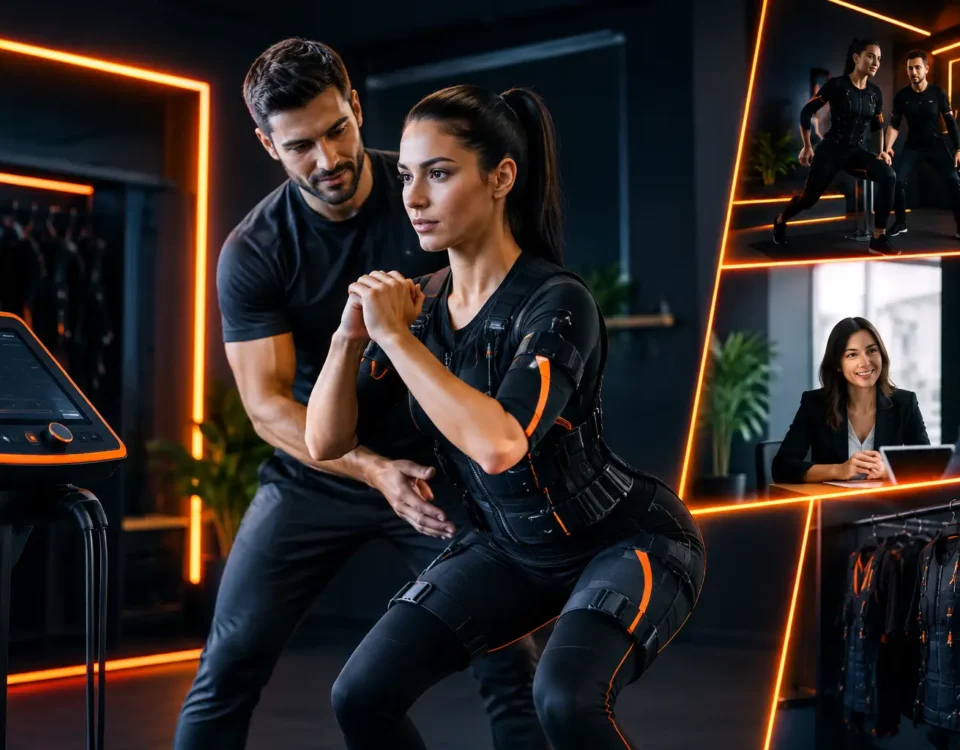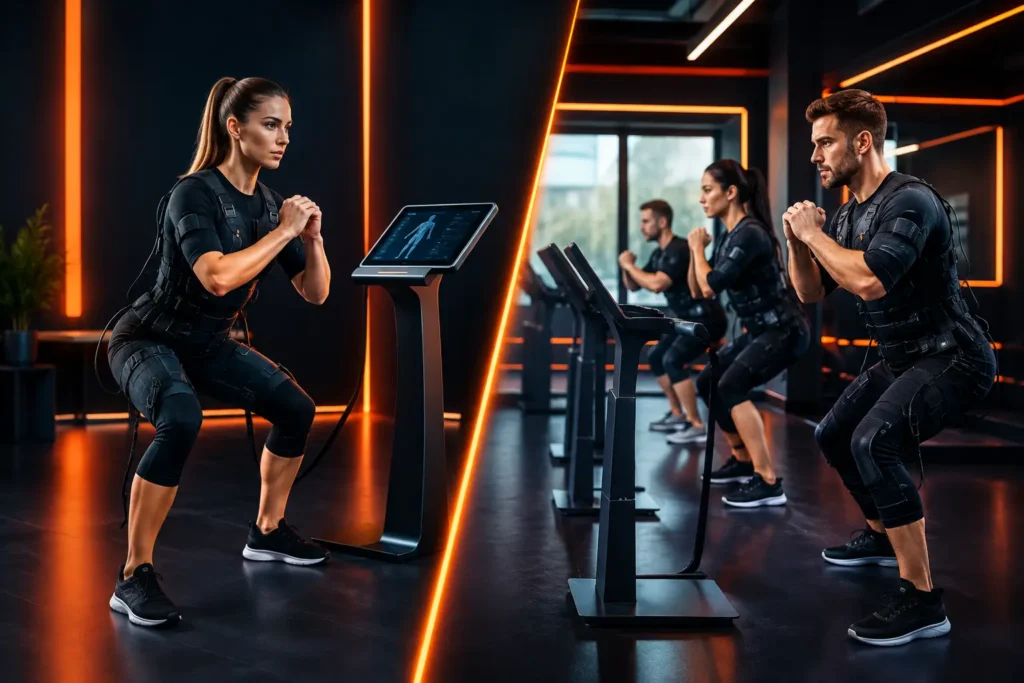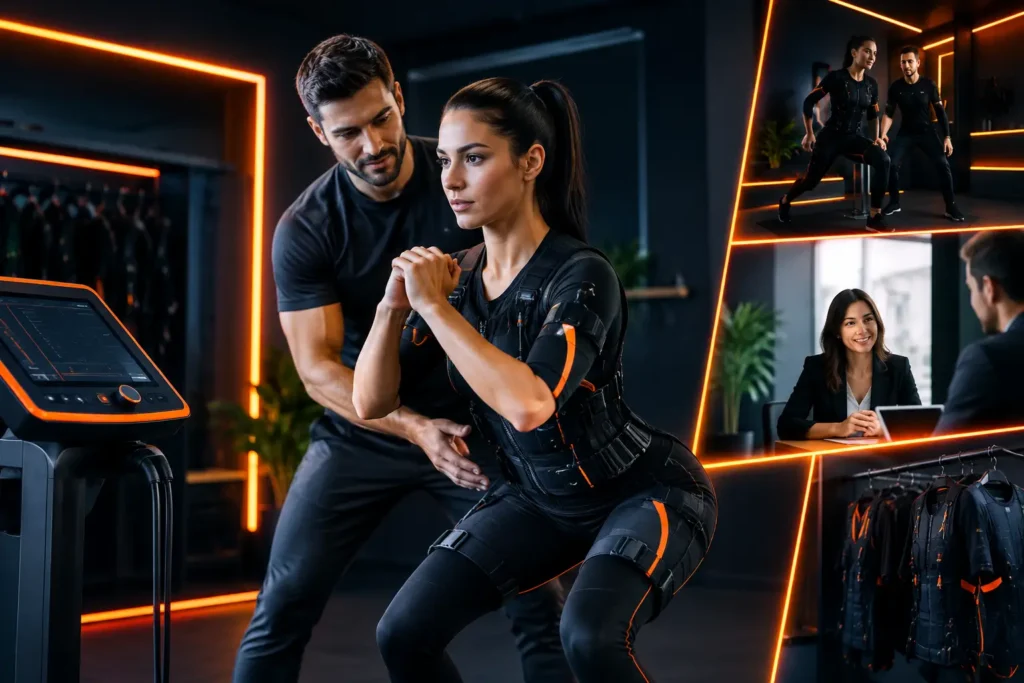

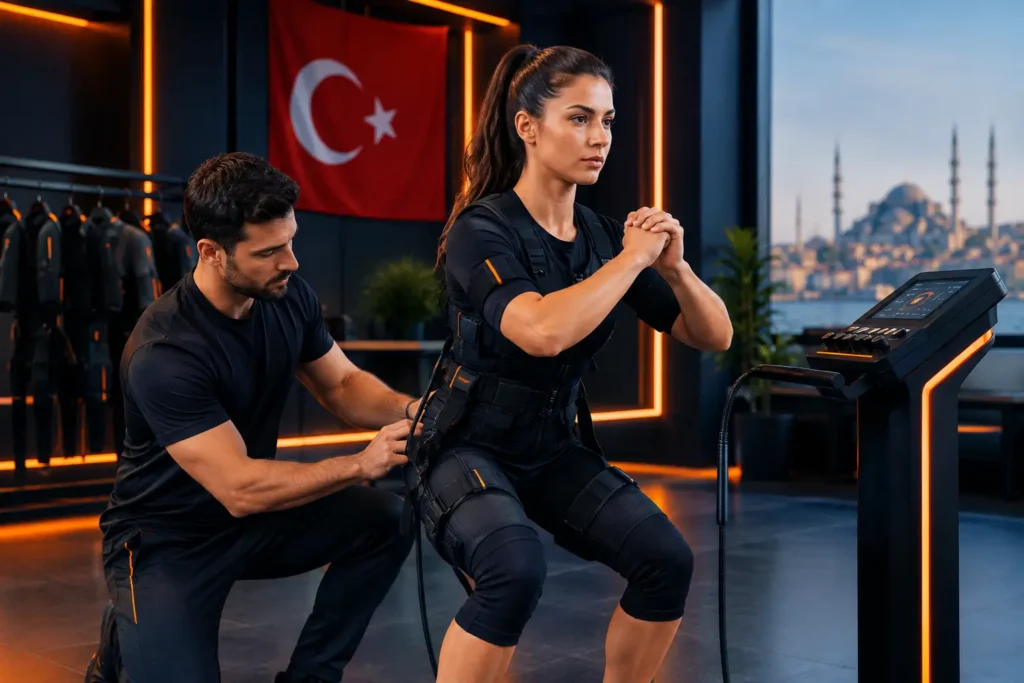
An EMS studio can lose months of launch time when the device, import paperwork, intended-use claims, and operating model do not match. Turkey EMS regulations are not a single checklist for every operator. The requirements depend heavily on whether an EMS system is placed on the market as fitness and wellness equipment or as a medical device, who imports it, and what the business promises clients.
For entrepreneurs, gym owners, and clinic managers, compliance should be treated as part of the investment decision. It affects which system you select, how quickly you can open, the documentation you need from a supplier, and how confidently you can market your services.
Why Turkey EMS Regulations Start With Classification
The first commercial question is not how many clients a system can serve. It is how the equipment is classified according to its intended purpose.
An EMS device marketed for diagnosis, treatment, rehabilitation, or management of a medical condition may fall within Turkey’s medical-device framework. Medical devices are regulated under rules aligned closely with the European Union Medical Device Regulation approach. In practice, this can involve manufacturer conformity documentation, appropriate CE marking, registration obligations, and oversight connected to the Turkish Medicines and Medical Devices Agency, commonly known as TİTCK.
A system supplied and promoted strictly for fitness, conditioning, and wellness may sit outside the medical-device route. That does not mean it is unregulated. General product safety, electrical safety, electromagnetic compatibility, importer obligations, product labeling, and consumer protection requirements can still apply.
The difference matters because a studio cannot simply buy equipment sold as fitness gear and promote it as a solution for injury recovery, pain relief, or disease-related conditions. Marketing language can change the regulatory risk around the operation. Classification follows intended use, documentation, labeling, and claims – not just the operator’s personal view of what the equipment can do.
Do not confuse CE marking with a marketing license
CE marking is often misunderstood. Depending on the product category, it can demonstrate that a product meets relevant European conformity requirements. It does not automatically authorize every claim a Turkish operator may make, nor does it remove the need to confirm importer, registration, labeling, and local market obligations.
Before committing to a device, request the technical and commercial documents that support its stated category. A serious supplier should be able to explain the intended use, applicable standards, conformity records, warranty process, maintenance requirements, and the responsibilities assigned to the manufacturer, importer, distributor, and studio.
The Compliance Questions to Resolve Before You Import
For a new EMS business, equipment sourcing is where many avoidable problems begin. A low entry price can become expensive if documentation is incomplete, replacement parts are unavailable, or the system cannot be supported after delivery.
The operator should establish who will act as the importer of record and who is responsible for placing the product on the Turkish market. Those roles carry practical accountability. If equipment is sourced through a local distributor, clarify in writing who manages conformity records, Turkish instructions, service support, complaints, and any required registrations.
Turkey requires consumer-facing information to be understandable for the local market. This commonly means reviewing Turkish-language labels, instructions, warnings, and user documentation. The exact requirements can vary by product category, so do not assume an English manual is enough for a commercial launch.
Electrical equipment also needs to be evaluated for the conditions of real studio use. Ask how the system is protected against electrical faults, how garments and cables are cleaned and replaced, whether the power setup suits the premises, and what maintenance intervals are expected. A device that performs well in a demonstration but lacks a reliable parts and service pathway creates operational risk from day one.
Studio Operations: Where Compliance Becomes Routine
Paperwork alone does not make an EMS service compliant or safe. The daily operating system matters just as much. A well-run studio turns manufacturer instructions and safety guidance into consistent staff behavior.
Start with a written intake process. It should capture relevant health information, identify when a client needs medical advice before participating, obtain informed consent, and document the service being provided. Avoid diagnosing clients or presenting a fitness consultation as clinical evaluation unless the business is properly structured and qualified to provide healthcare services.
Staff training should cover electrode placement, intensity progression, supervision, emergency procedures, hygiene, equipment inspection, and clear communication with clients. EMS sessions should never be run as an unattended, high-volume add-on. The ability to adjust intensity and observe client response is central to responsible delivery.
For studios with multiple trainers, standardization protects both quality and profitability. Written session protocols reduce variations between staff members, speed up onboarding, and make it easier to investigate a client complaint or equipment issue. This is particularly valuable for scalable studio EMS models, where capacity rises quickly and informal practices stop working.
Claims require more discipline than sales scripts suggest
The fastest way to create unnecessary exposure is to make medical or guaranteed outcome claims. Statements about treating pain, healing injuries, curing conditions, or guaranteeing body transformation can move beyond what a fitness and wellness operator should promise.
Commercially, this does not weaken the offer. It strengthens it. Position EMS around guided training, time-efficient sessions, professional supervision, progressive programming, and a premium client experience. Those are tangible service benefits that do not require unverified medical claims.
Be equally cautious with testimonials and social media. A client may describe a personal result, but the studio should not present that story as proof that every client will receive the same outcome. Build marketing approval into your operating process so trainers do not publish claims that conflict with the equipment’s intended use.
Turkey EMS Regulations and Your Business Model
Compliance needs differ by format, but every model benefits from clear ownership of the operational process.
| Business model | Main compliance focus | Practical operating priority | |—|—|—| | Mobile EMS | Transport, equipment checks, client screening, insurance, and private-location hygiene | Use portable documentation and a repeatable pre-session setup process | | Studio EMS | Staff consistency, capacity control, maintenance logs, and local premises requirements | Build documented protocols for every trainer and every station | | Premium dry wireless EMS | Device support, client experience standards, data handling, and brand-safe claims | Protect the premium offer with trained delivery and reliable after-sales support |
Mobile operators need particular discipline because the training environment changes from client to client. Inspect the system before each session, confirm that the location is suitable, and keep client records secure. A mobile model can reduce fixed overhead, but it shifts more responsibility to the trainer’s preparation and process control.
Studio operators benefit from stronger systems around cleaning, storage, maintenance, staffing, and incident reporting. If the business operates inside a gym, wellness center, or clinic, confirm the responsibilities of each party rather than assuming the host facility has covered every requirement.
For premium concepts, the commercial risk is often reputational before it becomes regulatory. Clients paying for a high-touch EMS experience expect polished onboarding, qualified coaching, clean equipment, and reliable technology. Compliance supports that standard rather than competing with it.
Data Protection Is Part of Client Trust
EMS businesses often collect more personal information than a conventional gym membership desk. Health questionnaires, consent forms, progress notes, photos, payment details, and online booking records may all contain personal data.
Turkey’s personal data protection rules, commonly associated with KVKK, require businesses to handle personal information lawfully and transparently. The exact obligations depend on how the business collects, stores, shares, and processes data. At a minimum, operators should know what data they collect, why they need it, who can access it, how long it is retained, and how clients can exercise their rights.
Do not keep sensitive client information in informal messaging threads or unsecured spreadsheets simply because the studio is small. A simple, controlled process is usually more practical and more professional.
A Better Due-Diligence Process Before Launch
Before signing a rental, rent-to-own, or purchase agreement, build compliance review into the same decision process used for ROI planning. Confirm the device category and intended use. Review supplier documents. Identify the importer and service partner. Check Turkish labeling and instructions. Set up staff training, intake records, maintenance logs, insurance, and compliant marketing language before the first client books.
The exact path can depend on your equipment, premises, and claims, so local legal and regulatory advice is worthwhile when there is uncertainty. This is especially true for clinics, rehabilitation-adjacent concepts, or any business intending to work with healthcare professionals.
A capable equipment partner should make this process easier by providing clear documentation, practical training, and support that continues after installation. EMS Leader approaches studio setup as an operating model, not just a hardware delivery, because the quality of the launch determines how confidently an operator can grow.
The smart next move is simple: choose a system and business model that you can support consistently, document clearly, and market honestly. That foundation gives your EMS operation room to build revenue without building avoidable risk.