
A bad EMS equipment decision rarely looks bad on day one. It usually looks impressive in a demo, sounds convincing in a sales call, and only becomes expensive later – when service is slow, trainer onboarding takes too long, or the setup does not match how you actually plan to sell sessions. That is why operators comparing xbody ems, xbody suit, xbody go, xbody pro, justfit ems, visionbody ems, and miha bodytec should start with business model fit, not brand recognition.
For a trainer launching solo, a clinic adding a premium service, or a studio owner building capacity, the right system is the one that supports your delivery model, pricing strategy, and operational pace. Hardware matters, but commercial fit matters more.
How to compare xBody EMS, Visionbody EMS, and miha bodytec
Most buyers begin by comparing features. That is useful, but incomplete. In commercial EMS, the better question is simpler: what kind of business are you trying to run over the next 12 to 24 months?
If your model is mobile, your priorities are portability, setup speed, low initial investment, and the ability to serve clients in homes, offices, hotels, or partner locations. If your model is studio-based, you need throughput, trainer efficiency, reliability under daily use, and a setup that supports predictable scheduling. If your model is premium wellness, aesthetics shift higher on the list, and dry wireless presentation can become part of the value proposition itself.
That is where products such as the xbody suit, xbody go, xbody pro, justfit ems, visionbody ems, and miha bodytec begin to separate. Not every system is built for the same operator, even if all sit under the EMS category.
xBody suit, xBody Go, and xBody Pro
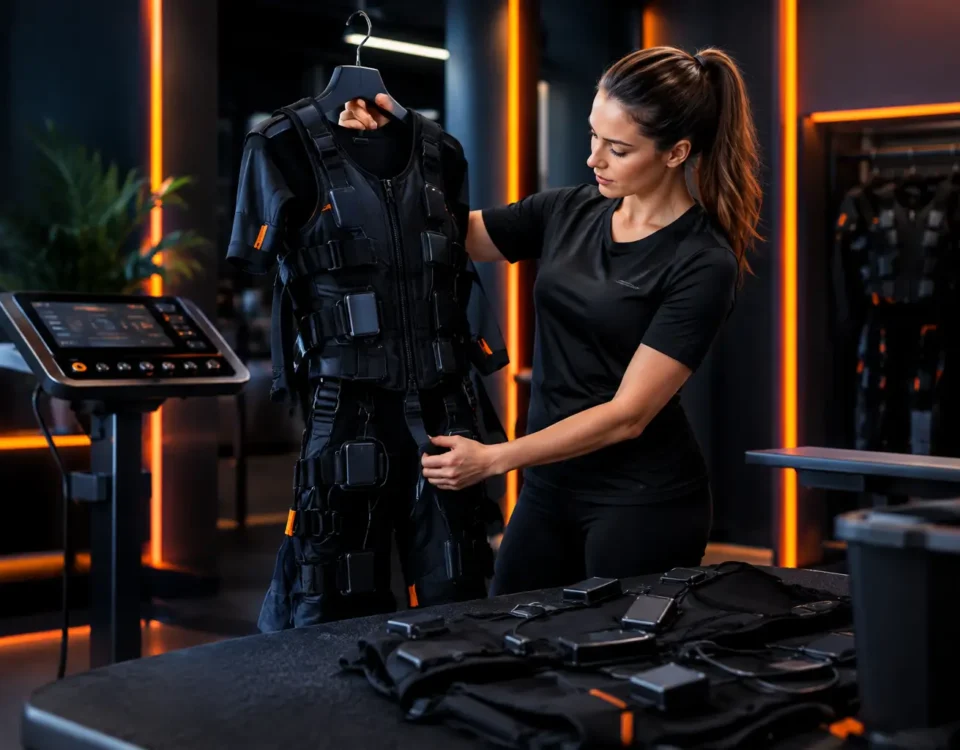
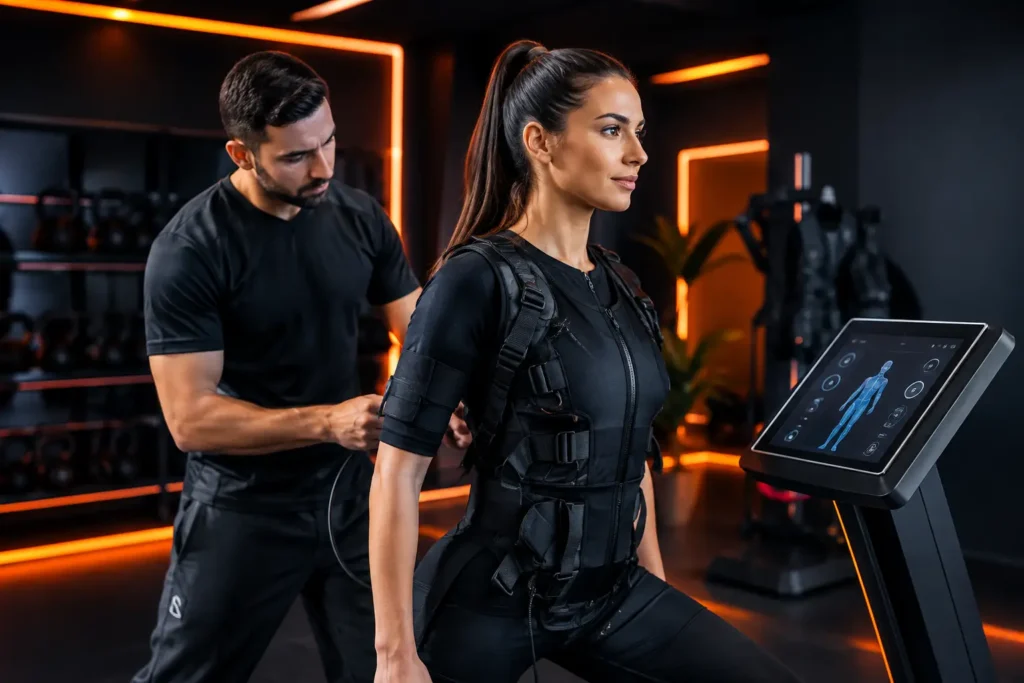
xBody is often evaluated by buyers who want a modern, branded EMS solution with multiple format options. The xbody suit is relevant when wearability and session presentation matter. For premium personal training or boutique concepts, the client experience around the suit can influence perceived value and pricing.
The xbody go naturally fits operators looking at mobility and flexibility. If you are launching with lower overhead, visiting clients, or testing a market before committing to a fixed site, a portable format can reduce friction. That said, mobility only works commercially if the total workflow stays efficient. Transport, cleaning, charging, setup time, and trainer logistics all affect margins more than many first-time buyers expect.
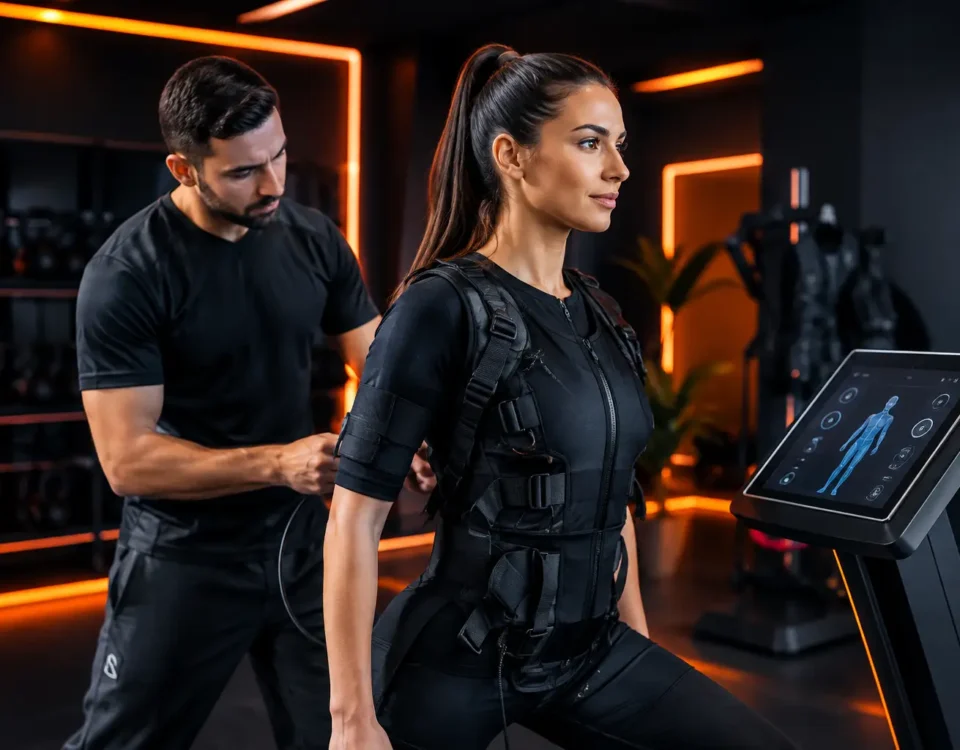
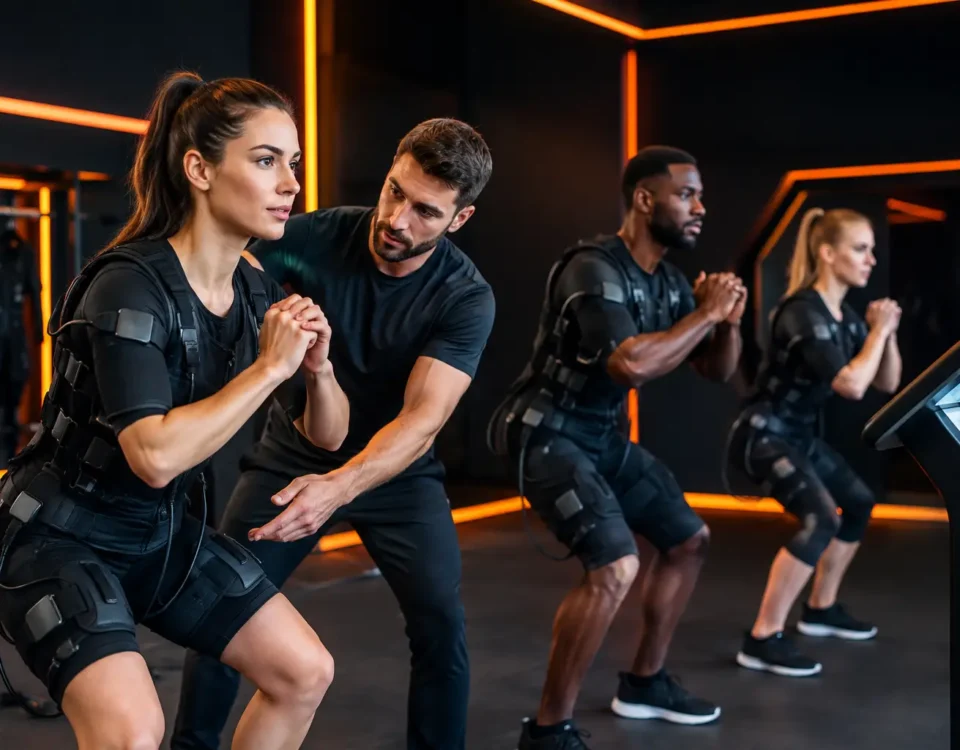
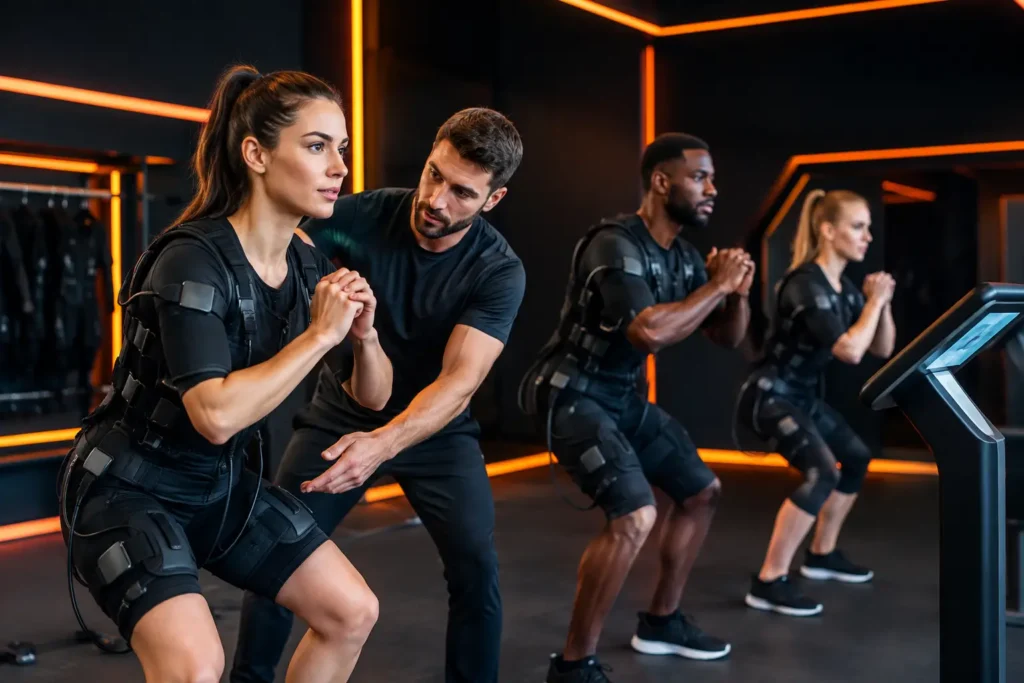
The xbody pro is more likely to enter the conversation when operators want a stronger fixed-business proposition. In a studio or clinic environment, the focus shifts from simple portability to repeatability. Can the team use it consistently? Can new trainers learn it quickly? Can you maintain session quality during a busy schedule? These questions usually matter more than a spec sheet.
The trade-off with any multi-product brand family is that choice can create clarity or confusion. If you know your model, that range is useful. If you do not, it is easy to buy a system that is technically good but commercially mismatched.
Where Justfit EMS and Visionbody EMS fit
Justfit EMS and visionbody ems are often part of the same evaluation set, especially for operators who want alternatives to the most recognized names. The right way to assess either is not to ask whether they are “good” in the abstract. The right question is whether they support your route to revenue.
For example, a solo personal trainer may value speed to launch over long-term multi-trainer scale. In that case, a simpler commercial path with manageable investment can outperform a more complex setup. On the other hand, a studio owner with an existing lead flow, front desk team, and fixed location may need a system that is less about entry price and more about daily reliability and operational support.
Visionbody ems may attract attention from buyers interested in presentation and modern training formats. That can be useful in premium and lifestyle-driven markets. But premium positioning only works when the market can support premium pricing. If your local audience buys on convenience and results rather than concept design, the commercial advantage may be smaller than expected.
Justfit ems can make sense when the operator is balancing accessibility with business practicality. But as with any platform, the central issue is support structure. Availability of spare parts, trainer education, warranty handling, and replacement speed are not secondary issues. They are part of your revenue engine. Downtime in EMS is not just technical inconvenience. It is canceled sessions, lost trust, and slower payback.
miha bodytec and the studio conversation
miha bodytec is frequently considered by serious operators building a structured studio or clinic offer. Its reputation often places it in discussions where reliability, professional presentation, and established commercial use are priorities.
For a fixed-location business, that matters. When you are running back-to-back sessions, training multiple coaches, and trying to standardize service delivery, proven operational stability carries real value. A cheaper entry point can become more expensive if it creates friction every week.
Still, miha bodytec is not automatically the right answer for every buyer. For mobile operators, or for entrepreneurs who want to validate demand before taking on a larger capital commitment, a studio-oriented solution may be more than the business currently needs. Strong equipment does not solve a weak launch strategy.
The business questions that matter more than the brand
If you are comparing xbody ems, xbody suit, xbody go, xbody pro, justfit ems, visionbody ems, and miha bodytec, narrow the decision through five commercial filters.
First, look at investment level. Not just purchase price, but total launch cost. Include training, onboarding, accessories, replacement items, service assumptions, and how long it may take before revenue is stable.
Second, assess mobility. If your business depends on traveling to clients, portability is not optional. But if 90 percent of your sessions will happen in one location, portability may be overrated compared with speed, coach usability, and durability.
Third, think about client capacity. A solo trainer can build a profitable EMS business with one system if utilization is high and the offer is positioned well. A studio with ambitious scaling plans needs to think beyond one coach and one machine.
Fourth, calculate revenue potential by delivery model. One-to-one premium mobile sessions can command strong pricing with lower fixed costs. Studio formats can generate higher cumulative volume. Premium dry wireless concepts can support higher ticket perception, but only in the right market segment.
Fifth, consider payback period. This is where many buyers lose discipline. The best system is not the one that feels most advanced. It is the one that gets to sustainable utilization fastest for your market, price point, and team.
Why support often beats specifications
Many operators spend too much time comparing device names and not enough time comparing the business infrastructure behind them. That is a mistake.
When launching an EMS business, especially for first-time entrants, support affects speed to market. The faster you can get trained, configured, positioned, and selling, the faster the equipment starts working as an asset instead of sitting as inventory. A consultative partner can often create more value than a marginal technical difference between systems.
This is also where financing model matters. Rental and rent-to-own structures can be strategically smarter than direct purchase when the priority is preserving cash for marketing, staff, and launch operations. For many operators, the winning move is not buying the most famous brand. It is choosing the setup that reduces upfront pressure while keeping the route to profitability clear.
That is why experienced commercial buyers increasingly evaluate not only whether they want xbody go, xbody pro, visionbody ems, justfit ems, or miha bodytec, but also what level of launch support, business planning, and after-sales service comes with the decision. Companies such as EMS Leader compete strongly here because they frame the purchase around the business model, not only the machine.
The right choice depends on the business you are building
If you want a low-overhead entry into EMS, prioritize flexibility, mobility, and manageable capital exposure. If you are creating a studio business, prioritize repeatability, coach adoption, and service reliability. If you are building a premium boutique or wellness concept, make sure the client experience genuinely supports higher pricing in your market.
There is no universal winner across xbody ems, xbody suit, xbody go, xbody pro, justfit ems, visionbody ems, and miha bodytec. There is only a better fit for your current stage, your service model, and your growth plan.
The strongest operators do not buy equipment to own equipment. They buy a commercial system that helps them start faster, sell confidently, and scale with fewer mistakes.