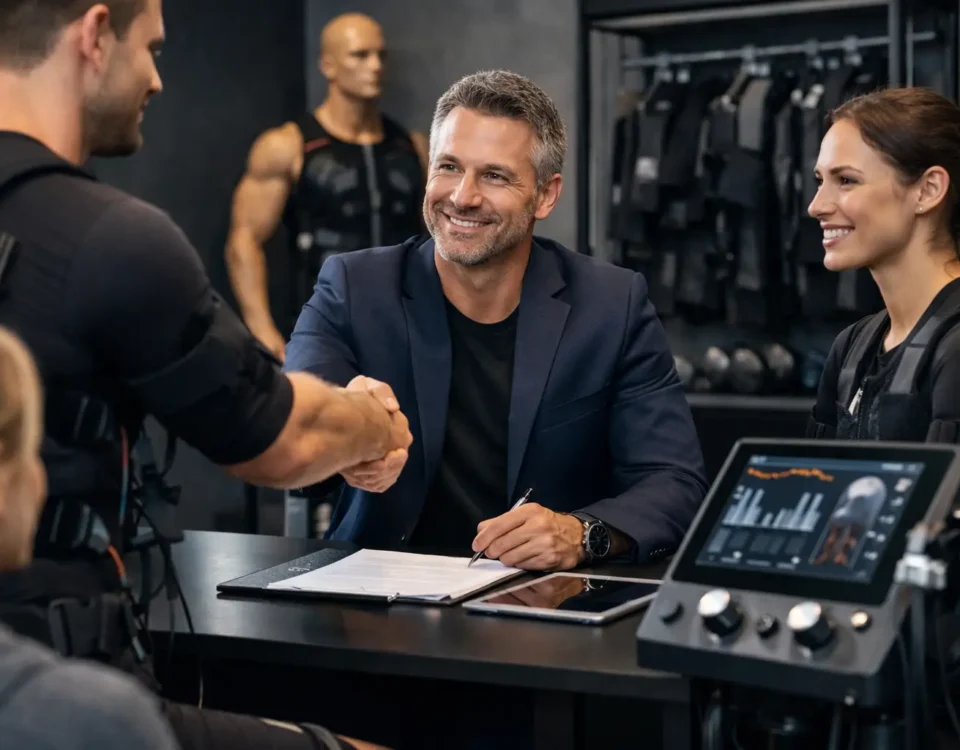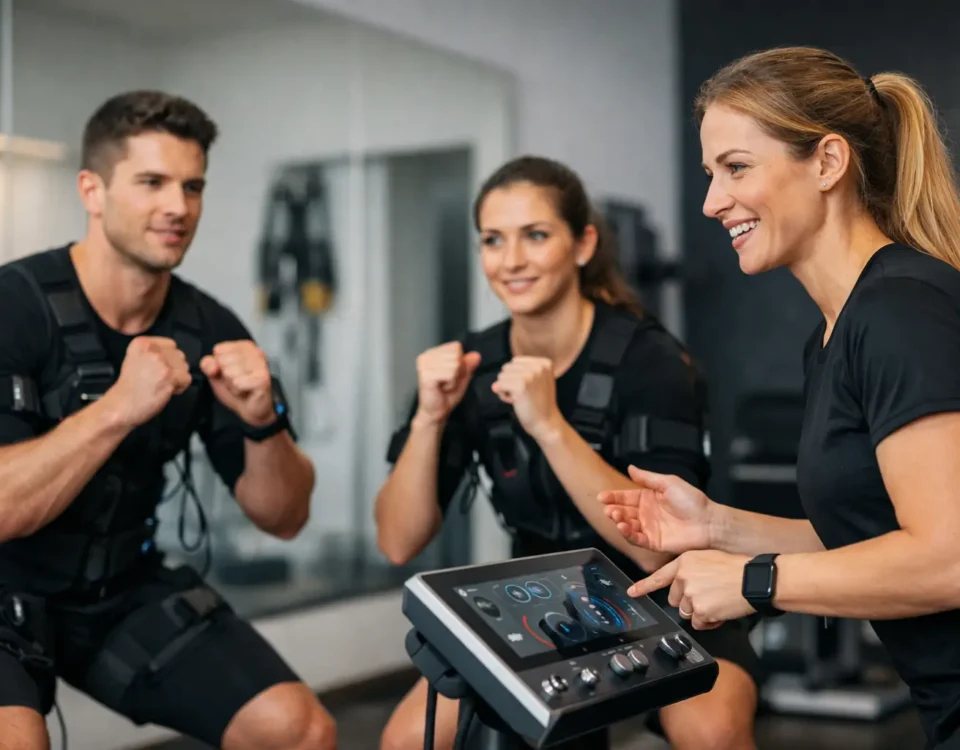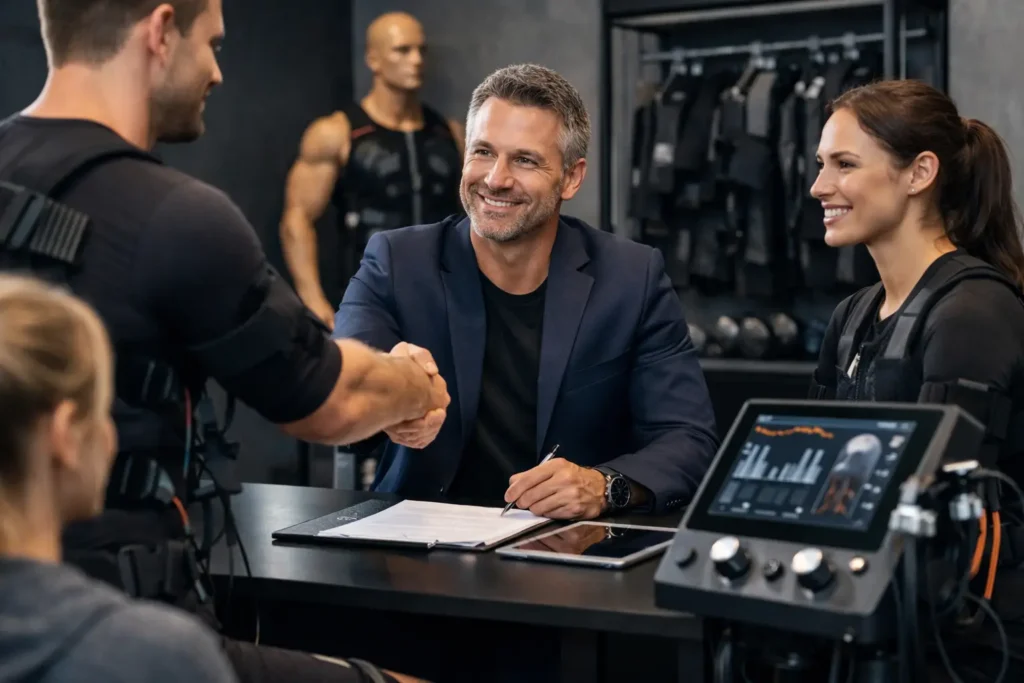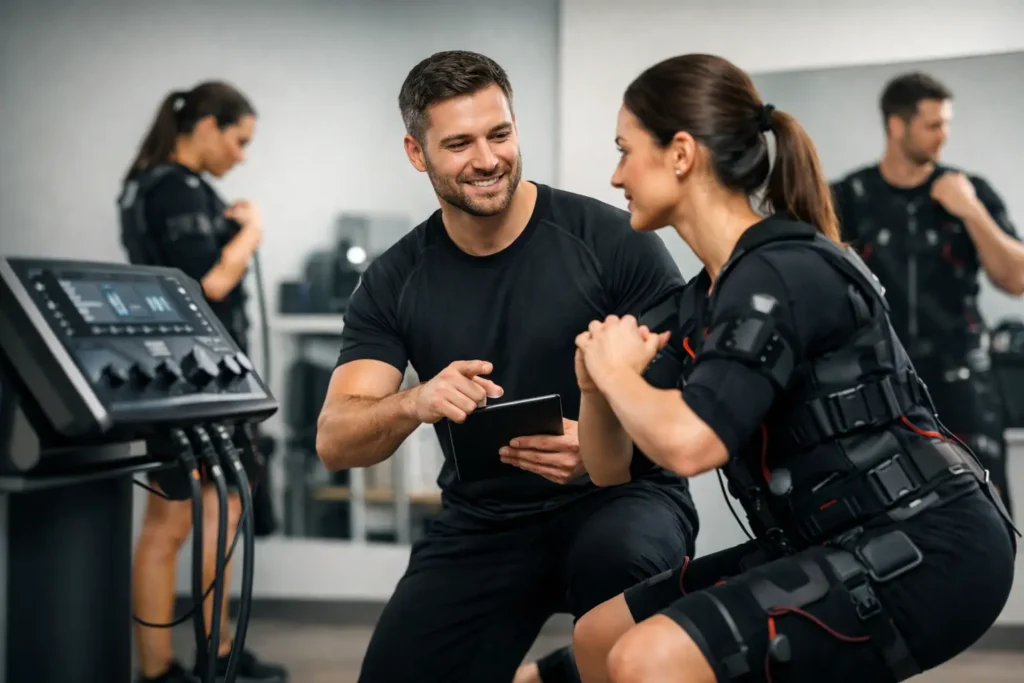

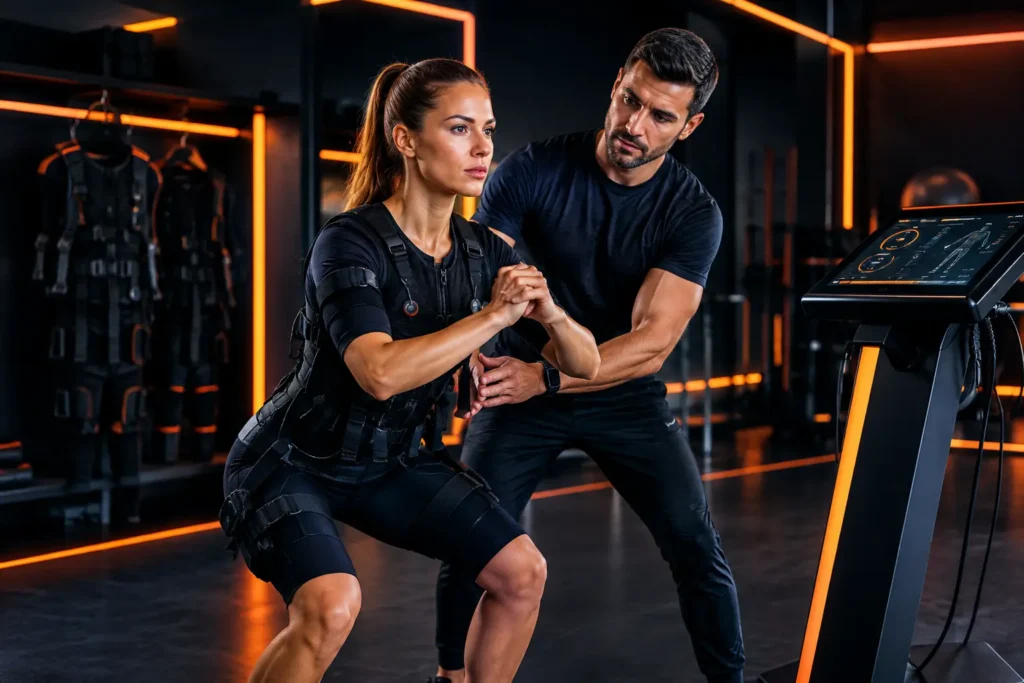
A client will not choose an EMS session because you can explain pulse width on a spec sheet. They choose because the session feels professional, the coaching is confident, and the business has clear standards. That is why the best EMS certifications are not simply the longest courses or the ones with the most impressive-looking certificates. They are the programs that prepare you to deliver a safe, repeatable service and operate it profitably.
For a personal trainer adding mobile EMS, a gym owner building a multi-client studio, or a wellness operator creating a premium appointment model, the right certification should match the commercial model. Technical knowledge matters. So do client screening, session design, equipment handling, documentation, sales conversations, and the ability to know when not to proceed with a session.
What Makes an EMS Certification Worth Choosing?
There is no single universal EMS credential that automatically qualifies someone to operate in every state, country, or setting. Requirements can vary based on local regulations, insurance conditions, the type of equipment used, and whether the service is positioned as fitness, wellness, or part of a licensed clinical practice.
That means a certificate alone should never be your decision point. A credible EMS training program should give you operational competence that can be applied in real client sessions. It should also be specific about its scope: what the training covers, who it is designed for, how competence is assessed, and what ongoing support is available.
The strongest programs combine practical coaching with clear safety protocols. You should leave knowing how to fit and inspect equipment, establish baseline intensity, communicate during stimulation, adapt a session to the client’s experience level, and record relevant session information. If a course focuses only on device settings without teaching the coaching process, it may leave a business owner underprepared.
Best EMS Certifications by Business Model
The best choice depends on how you plan to earn revenue with EMS. A mobile operator needs a different level of operational preparation than a studio with multiple coaches, scheduled shifts, and a larger client flow.
| Business model | Training priority | Why it matters commercially | |—|—|—| | Mobile EMS | One-to-one coaching, transport setup, client screening, session flow | Helps a solo operator deliver a consistent premium service in different locations | | EMS studio | Staff standards, multi-client management, sanitation, retention systems | Supports capacity, team consistency, and a scalable member experience | | Premium dry wireless EMS | Hospitality, personalized protocols, polished consultation process | Protects a high-value positioning for boutique and VIP clients | | Gym or clinic add-on | Integration with current services, staff handoff, documentation | Makes EMS easier to introduce without disrupting existing operations |
For mobile EMS operators
A mobile EMS certification should be practical from the first day. You need to manage setup and breakdown efficiently, protect equipment during transport, maintain hygiene standards, and create a professional session in a client’s home, office, or private training space.
Look for training that includes consultation structure and programming for one-to-one sessions. Mobile clients often expect a highly personalized service, so your ability to explain the process, set expectations, and progress sessions over time directly affects retention. A technically valid course that ignores client communication is not enough for this model.
For studio owners and gym operators
For studios, the priority shifts from individual skill to system control. The best EMS certifications for this environment teach a common delivery standard that every coach can follow. That includes intake procedures, equipment checks, intensity progression, emergency procedures, cleaning routines, and documentation.
Ask whether the provider can train more than one staff member and whether the curriculum supports an internal operating manual. When several coaches deliver EMS, inconsistent session quality can quickly weaken trust and make membership retention harder. A studio needs training that is repeatable, not dependent on one expert employee.
For premium wellness concepts
A premium EMS service is sold through experience as much as exercise. Certification should still cover the same core safety and coaching foundations, but operators should also seek training on consultation quality, privacy, timing, service presentation, and individualized goal setting.
This does not mean making unrealistic body or health promises. It means creating a disciplined client journey: a clear first consultation, appropriate session pacing, documented preferences, and a service environment that justifies premium positioning. In this model, technical competence is the minimum. Consistency and presentation create the perceived value.
Training Topics You Should Expect to See
Before enrolling, review the actual curriculum. Broad phrases such as “professional EMS training” do not tell you whether the program prepares you for daily operations. A useful course should address the following areas in meaningful detail:
- EMS principles and equipment controls, including how settings affect the training experience
- Client consultation, screening processes, consent, and situations that require postponing or declining a session
- Electrode or suit placement, fitting, hygiene, inspection, and basic equipment care
- Coaching cues, session structure, intensity progression, and communication during use
- Operational procedures, incident documentation, and clear boundaries between fitness coaching and licensed medical care
Practical assessment matters as much as course content. Watching demonstrations can build familiarity, but it does not prove that a coach can manage a real appointment. Favor programs that require supervised application, feedback on coaching, and a check of your ability to follow the full session process from consultation through shutdown and cleaning.
Do Not Confuse Equipment Onboarding With Full Certification
Equipment onboarding and EMS certification are related, but they solve different problems. Onboarding teaches your team how to use a specific system correctly: setup, controls, maintenance routines, accessories, troubleshooting, and manufacturer-recommended operating procedures. It is essential when you introduce new equipment.
A broader certification or academy program should go further. It should teach the professional judgment behind the session, including client management, training delivery, safety boundaries, and business workflow. The best launch plans include both: structured operator education plus hands-on system onboarding.
For business owners, this distinction has a financial impact. If staff only know which buttons to press, service quality can become inconsistent when a client has questions or when a session needs adjustment. If they understand the full protocol but do not know the specific equipment, avoidable setup errors can slow down appointments. Both competencies protect your service standard.
Questions to Ask Before You Commit
Ask the training provider who teaches the program and what experience those instructors have in operating EMS sessions. Request clarity on the practical component, assessment method, certificate validity, and whether refresher education is available. You should also ask what post-training support looks like when your first operational questions arise.
For operators planning to employ coaches, ask whether the education can be delivered as a team standard and whether new hires can be onboarded later. A one-time course may help launch the business, but a growing studio needs a training pathway that does not disappear after opening week.
Finally, check your local obligations before marketing services. Your insurer, local business authority, facility rules, and professional licensing framework may set requirements beyond an EMS course. A credible provider will not blur these lines or imply that a fitness certificate authorizes medical treatment.
Build Certification Into Your Launch Plan
Treat training as part of the investment model, not as an optional add-on after equipment arrives. Include certification time in your launch schedule, budget for staff practice sessions, and create written procedures before accepting paying clients. This approach reduces avoidable errors and helps every client receive the same level of care.
EMS Leader supports operators with equipment onboarding, academy training, and business guidance because successful EMS businesses need more than a device. They need a workable system around it: the right commercial model, trained delivery, dependable operations, and support as the business develops.
Choose training that makes your first session more controlled, your team easier to manage, and your service easier to repeat. That is the certification decision that continues to pay back long after the certificate is printed.