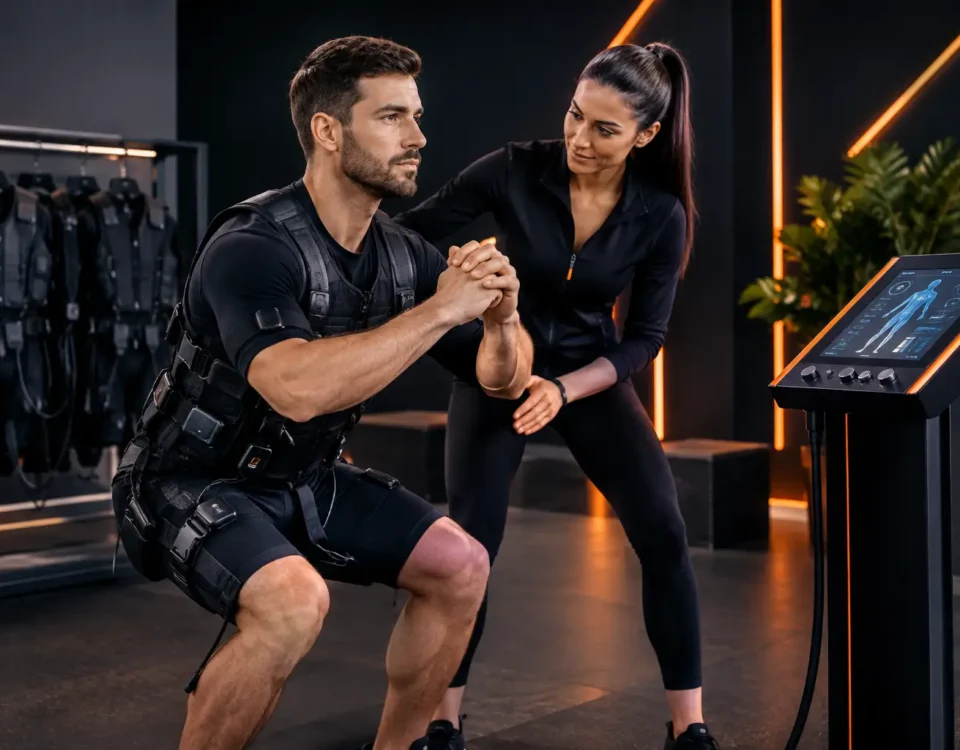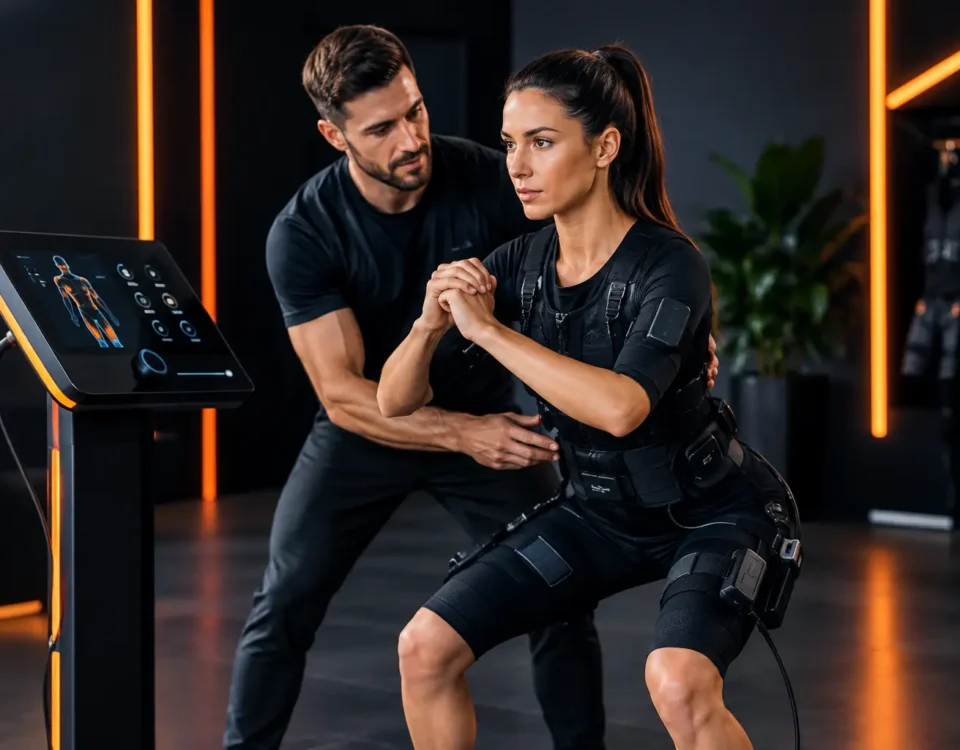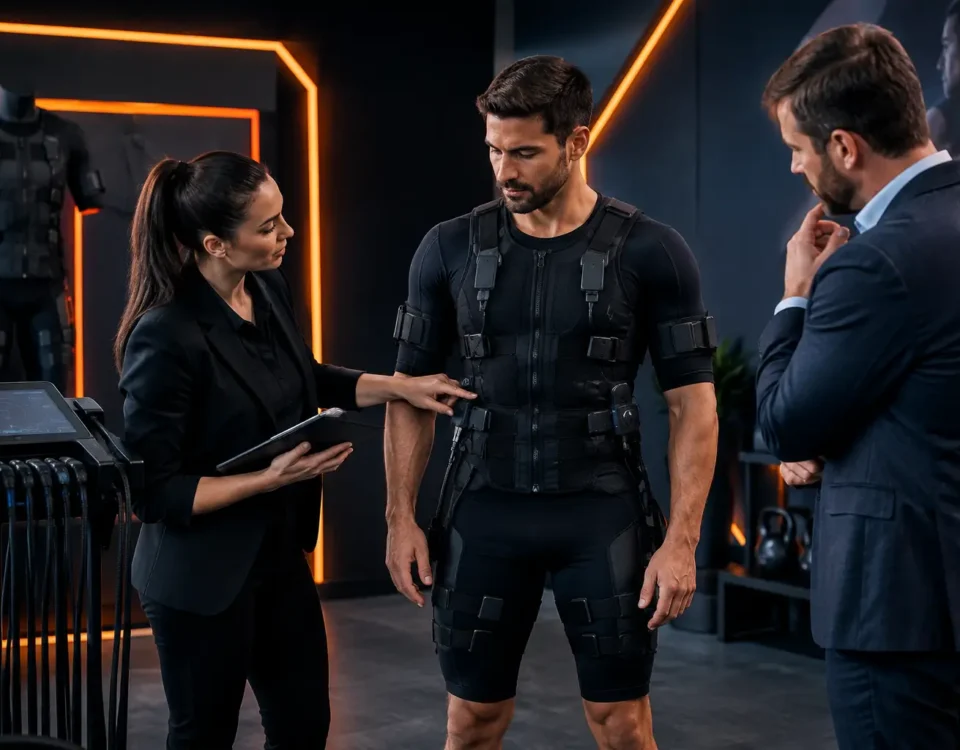

A suit that looks clean but carries odor, residue, or dampness can weaken a client’s confidence before a session starts. The best practices for suit hygiene are therefore not a back-room housekeeping task. They are part of service quality, equipment protection, staff efficiency, and the professional standard clients associate with your EMS business.
For mobile operators, hygiene systems must travel well and work under time pressure. For studios with multiple daily appointments, the priority is predictable turnaround without creating unnecessary wear on suits and accessories. The right process depends on your EMS suit type, manufacturer care instructions, client volume, and available drying space, but the operating principle stays the same: every client should receive a clean, dry, well-maintained setup.
Why Suit Hygiene Is an Operational Priority
Clients may not understand the technical differences between wet EMS, dry EMS, or wireless systems. They will notice a suit that feels fresh, fits properly, and is ready on time. They will also notice delays, odors, damp fabric, or staff who appear uncertain about the cleaning process.
A clear hygiene standard protects the client experience while helping your team manage inventory and avoid preventable replacement costs. It also gives operators a simple way to maintain consistency across trainers, shifts, and locations. When hygiene is built into the session workflow, it becomes easier to deliver a premium service without slowing down the schedule.
There is a commercial side as well. A poorly organized cleaning process can create appointment gaps, force last-minute suit substitutions, or require more inventory than the business truly needs. A well-designed system supports reliable capacity planning.
Best Practices for Suit Hygiene Between Every Session
The turnover period should be short, repeatable, and assigned to a specific team member. Do not treat it as an optional task to complete only when the schedule is quiet.
First, separate the used suit and any client-contact accessories from clean inventory immediately after the session. This prevents accidental reuse and gives staff a visible signal that the item requires processing. Use clearly labeled containers or separate storage zones rather than placing used items on counters, benches, or in the same bag as clean equipment.
Next, inspect the suit before cleaning. Look for excess moisture, product residue, loose fasteners, damaged seams, connector issues, or areas that may need more attention. A quick inspection takes little time and can identify problems before they interrupt a later booking.
Clean the suit according to its approved care instructions. The correct method varies by material and system design. Some wet EMS garments require a different approach from dry EMS suits, particularly where electrodes, integrated cabling, or specialized textile components are involved. Never assume that a cleaning method suitable for ordinary athletic apparel is suitable for an EMS suit.
After cleaning, allow the suit to dry completely before placing it back into clean inventory. Folding or storing damp garments can create odors and may affect material condition over time. The fastest turnaround is not always the best turnaround if it means returning a suit to service before it is ready.
Build a Cleaning Protocol Your Team Can Follow
A hygiene policy only works when it is simple enough to follow during a busy day. Create a documented procedure for session turnover, end-of-day cleaning, drying, storage, and periodic inspection. New staff should learn this process as part of operational training, not through informal handover.
A practical protocol should define who cleans each item, where used garments go, which approved products are used, how drying is managed, and when equipment is cleared for reuse. It should also explain what staff should do when they find a damaged or unusually soiled suit. The goal is not bureaucracy. It is reducing inconsistency.
For most operators, a simple status system is effective. Clean suits should be stored in one designated area, used suits in another, and any garment awaiting inspection or repair in a third. Color-coded tags, labeled bins, or a basic checklist can make the status visible at a glance.
| Workflow stage | Operator standard | Business benefit | |—|—|—| | After each session | Separate, inspect, and process used suits | Prevents accidental reuse and maintains client confidence | | Before the next booking | Confirm the suit is clean, dry, and complete | Reduces delays at check-in | | End of day | Complete deeper cleaning and inspect inventory | Identifies wear before it affects service | | Weekly review | Check stock levels, drying capacity, and damaged items | Supports smoother scheduling and purchasing decisions |
Match Your Hygiene System to Your EMS Model
A mobile EMS business needs portability. Operators should carry enough approved garments and accessories to avoid relying on immediate cleaning between appointments. Used items need sealed, clearly separated transport storage, while clean suits should remain protected from moisture, dust, and contact with used inventory. At the end of the working day, garments should be processed in a suitable cleaning and drying area rather than left in a vehicle or travel bag.
A studio has different demands. With higher client volume, the key issue is inventory rotation. If every appointment depends on the same small number of suits becoming available immediately, the schedule becomes fragile. Build a rotation that accounts for cleaning time, drying time, peak booking periods, and different suit sizes.
Premium concepts should also consider the visible client experience. A dedicated changing area, orderly presentation, and clear staff handling procedures communicate care without requiring a lengthy explanation. Clients do not need a lecture on the cleaning process, but they should be able to see that the business takes hygiene seriously.
Avoid Common Suit Care Mistakes
The most costly mistakes often come from trying to save a few minutes. One is using cleaning agents, heat settings, washing methods, or drying methods that have not been approved for the specific suit. Harsh products or excessive heat may affect fabrics, closures, electrodes, or electrical components. Follow the manufacturer’s instructions for each garment and accessory, especially when your inventory includes more than one system type.
Another mistake is overloading the cleaning schedule. If a business has no buffer between sessions, staff may feel pressure to return a suit to use while it is still damp or insufficiently checked. More bookings are valuable only when the operation can deliver the same standard at every appointment. Capacity planning should include hygiene turnaround, not just trainer availability.
Finally, do not overlook storage. Clean, dry suits should be kept in a controlled, organized space away from used garments and potential contamination. Avoid tightly packing garments while damp, leaving them exposed in common areas, or treating storage as an afterthought after a long day.
Train Staff to Protect the Client Experience
Staff training should cover more than how to operate an EMS system. Trainers and front-desk personnel need to know the hygiene workflow, recognize when a suit should be removed from service, and communicate calmly with clients when questions arise.
Give staff language they can use without making promises they cannot verify. For example, they can explain that garments are processed between sessions according to the business’s established procedures and manufacturer guidance. This is more credible than vague claims about being “fully sanitized” when no validated process has been defined.
Accountability matters. Assign responsibility by shift, record recurring maintenance issues, and review the process regularly. If a particular suit size is constantly unavailable, drying capacity is inadequate, or staff are improvising different routines, the system needs adjustment.
Make Hygiene Part of Your Growth Plan
As an EMS operation grows, suit hygiene becomes a scaling question. More clients mean more garments in circulation, more storage needs, more staff handoffs, and greater exposure to inconsistency. The answer is not simply buying more inventory. It is designing a process that shows you exactly how many suits, accessories, and drying positions your booking model requires.
Track practical indicators: how often sessions are delayed due to unavailable garments, how long suits take to become ready for use, which sizes move fastest, and how often items are removed for inspection. These observations can guide smarter operational decisions without relying on guesswork.
A clean EMS suit is a small detail with a large effect on perceived quality. When hygiene is organized as part of the operating model, your team can focus less on catching up and more on delivering the consistent, professional experience clients return for.