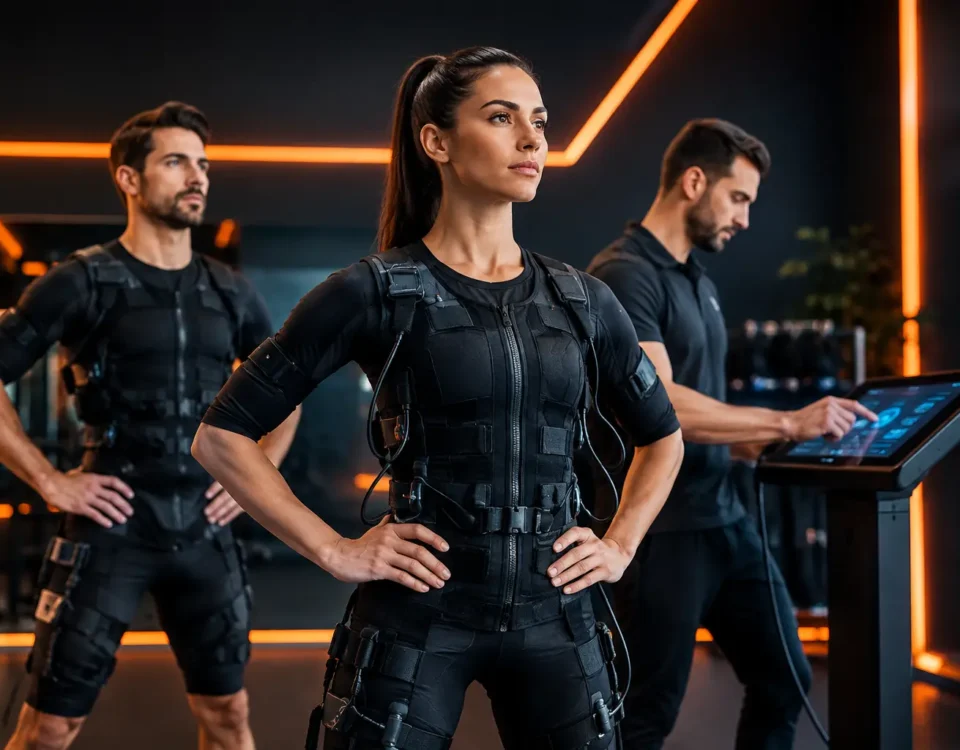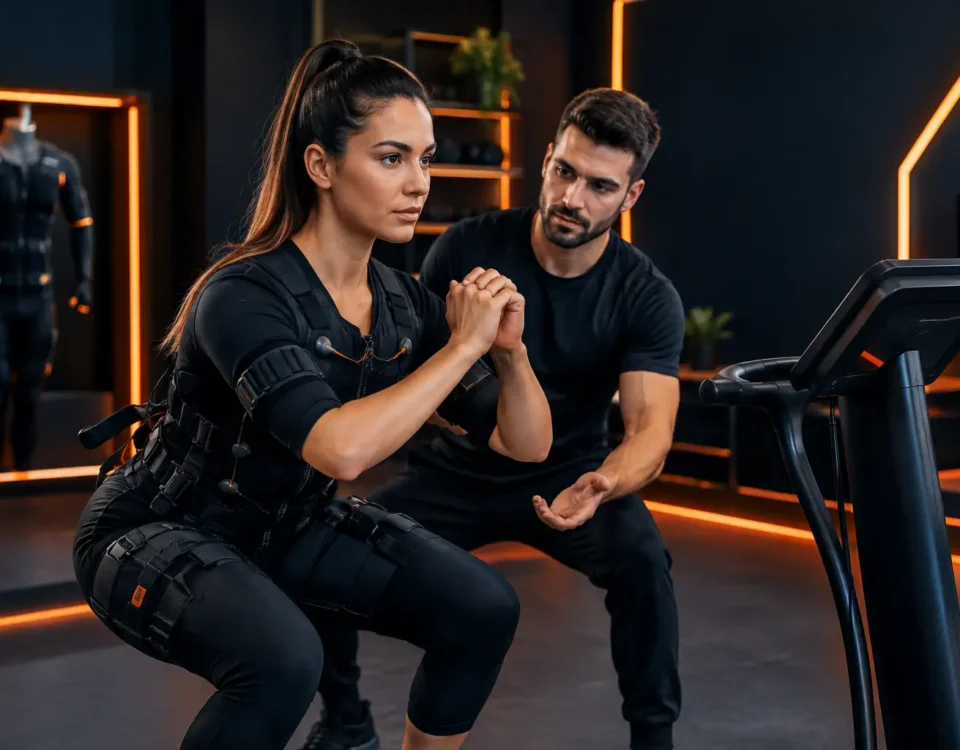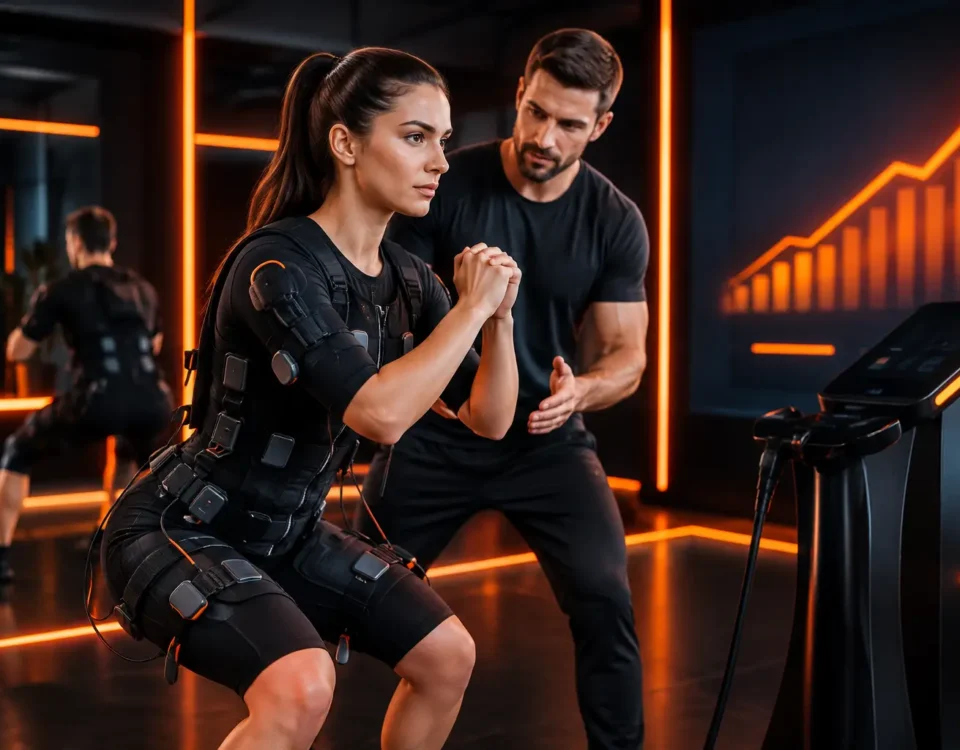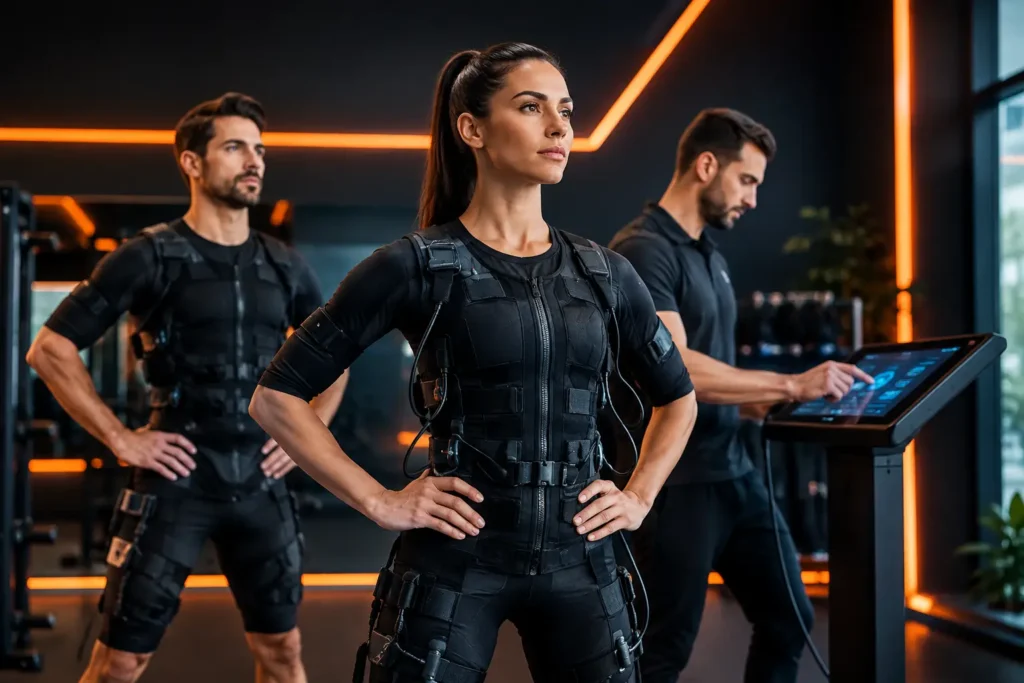

A commercial EMS system can look impressive in a product demonstration and still be the wrong investment for your operation. The difference usually appears after launch: Can your team set it up quickly? Does the system match your client volume? Are replacement parts, training, and technical help available when you need them? Commercial EMS system reviews should answer these business questions before they focus on features.
For trainers, studio owners, clinic managers, and wellness founders, the right purchase is not simply the unit with the longest specification sheet. It is the system that supports the service model you can sell, deliver consistently, and scale without creating unnecessary operational pressure.
What Commercial EMS System Reviews Should Actually Measure
Consumer-style reviews often focus on appearance, novelty, or a short first-use impression. Commercial buyers need a different standard. Your system will affect session scheduling, staff training, maintenance planning, client experience, and the amount of capital tied up before revenue begins.
Start with the operating model. A mobile personal trainer needs a different setup than a multi-coach studio, and a boutique recovery or longevity concept may prioritize a premium dry wireless experience over maximum session throughput. There is no universal “best” commercial EMS system. There is a better fit for your market, location, capacity, and investment plan.
A useful review should assess four areas together: business fit, system usability, commercial support, and long-term operating cost. If any one of these is missing, the review may help you compare equipment but not make a sound business decision.
1. Review the System Against Your Revenue Model
Before comparing devices, define how EMS will earn revenue inside your business. This keeps the decision grounded in service delivery rather than features you may never use.
Mobile EMS: Built for Low Overhead and Flexibility
Mobile EMS is usually the most direct entry point for a solo operator or personal trainer with an established client base. The system needs to be portable, fast to prepare, and practical to transport between homes, offices, hotels, or partner facilities. Weight, battery management, garment logistics, and the speed of setup matter more here than a large in-studio capacity.
In reviews, look for real-world questions: Can one person carry and operate the equipment? How many sessions can be delivered before charging or maintenance is required? How simple is it to manage hygiene and client readiness across different locations? A mobile system that takes too long to prepare can erode the advantage of a premium, convenient service.
The trade-off is clear. Mobility lowers fixed costs and can speed up launch, but your daily capacity depends heavily on travel time and your own availability. It is a strong model for personalized service, not necessarily for maximum volume.
Studio EMS: Built for Capacity and Repeatable Delivery
A studio setup is designed around a more structured client flow. The goal is to deliver consistent sessions, serve multiple clients or training appointments efficiently, and create a professional environment that supports memberships, packages, and repeat bookings.
Commercial EMS system reviews for studio buyers should examine coach workflow. Consider how quickly a trainer can prepare clients, manage programs, adjust intensity, and move from one appointment to the next. Equipment reliability becomes more significant when a canceled session affects several bookings rather than one mobile appointment.
A studio model may require more upfront planning for space, staff, changing areas, garment inventory, scheduling, and local marketing. In return, it can provide stronger operational control and greater capacity. The key is to avoid buying for theoretical capacity before confirming the demand and staffing required to use it.
Premium Dry Wireless EMS: Built for Positioning
Dry wireless EMS can suit boutique wellness concepts, luxury fitness environments, VIP training, and businesses where convenience and presentation are central to the offer. Without the same garment preparation associated with traditional wet systems, the client journey may feel faster and more refined.
That advantage needs to match your audience. Premium equipment supports premium positioning only when the surrounding service reflects it: trained staff, a clear consultation process, polished booking, and an environment clients want to return to. A dry wireless setup is not automatically the right choice for a price-sensitive market or an operator still testing basic demand.
2. Assess Usability Under Real Operating Conditions
The best commercial system is not the one that works well once. It is the one your team can operate correctly, repeatedly, and confidently during a full week of appointments.
Ask how intuitive the controls are for trained staff, how easily client profiles and session settings can be managed, and whether coaches can focus on instruction instead of troubleshooting. The trainer should remain present with the client, not distracted by the system.
Garment durability and hygiene procedures also deserve close attention. Commercial use creates more wear than occasional personal use. Review whether you can maintain a clean, professional process between sessions and whether replacement accessories are available without lengthy interruptions.
Battery operation, connectivity, and software controls should be evaluated in the context of your format. A mobile trainer may value simple, dependable operation with minimal setup. A busy studio may need more detailed session management and faster transitions. More functions can be valuable, but only if they improve delivery rather than complicate it.
3. Treat Training and Support as Part of the System
Equipment is only one part of a commercial EMS launch. Operators who evaluate hardware without evaluating onboarding often discover gaps after delivery: staff are uncertain about session flow, pricing is not aligned with the local market, or technical questions slow down the first weeks of operation.
A strong supplier relationship should include practical training on system operation, client onboarding, safety-oriented protocols, cleaning routines, and day-to-day use. It should also support the commercial side of the business: selecting the right model, estimating required capacity, planning a launch, and defining a service offer that fits your target customer.
After-sales support is equally important. Ask what happens if you need spare parts, replacement garments, technical guidance, or warranty assistance. For a commercial operator, downtime is not merely inconvenient. It can affect client trust, staff schedules, and monthly revenue.
EMS Leader approaches this decision as a business-entry process rather than a one-time equipment transaction. That means considering the system alongside financing options, onboarding, studio or mobile setup, training, accessories, and the operating model behind the purchase.
4. Compare the Investment Beyond the Purchase Price
A lower initial price does not always mean lower commercial risk. A system with limited training, uncertain parts availability, or no launch guidance can create hidden costs in lost time, inconsistent service, and delayed client acquisition.
At the same time, the highest-investment setup is not automatically the smartest choice. If you are a first-time operator, a flexible rental or rent-to-own route may preserve capital while you build demand and refine your offer. For an established studio with confirmed traffic and trained staff, direct ownership may make more commercial sense over time.
When reviewing options, calculate the complete operating picture:
- Initial equipment and setup requirements
- Financing structure and cash-flow impact
- Staff training and onboarding needs
- Accessories, garments, and replacement-part planning
- Expected weekly session capacity
- The pricing structure your market can realistically support
These inputs help you estimate a payback period based on your own client demand and delivery capacity, not an unrealistic revenue claim. A good projection should include conservative, expected, and stronger booking scenarios.
Questions to Ask Before You Choose
The most useful commercial EMS system reviews are supported by direct supplier questions. Ask whether the setup fits a mobile, studio, or premium model; how many clients it can support in a normal operating day; what training is included; how warranty and parts support work; and what financing routes are available.
Also ask for a practical discussion about your local business. A trainer entering the market with a small client list needs different guidance than a gym adding EMS as a premium service. An operator in a major city may have strong demand for convenience and luxury positioning, while another market may respond better to focused one-to-one coaching. The equipment decision should follow that commercial reality.
Choose the System You Can Operate Well
The right EMS system is the one that supports a credible offer from day one and gives you room to grow without forcing the wrong business model. Focus less on isolated features and more on how the entire setup performs in your hands: client preparation, coach workflow, session capacity, service quality, support, and cash flow.
A carefully chosen system does more than help you deliver EMS sessions. It gives your business a clear operating foundation, so every new client, staff member, and service package can be built with greater confidence.