
A commercial EMS launch can look simple on paper: buy equipment, find clients, start sessions. In practice, the early decisions determine whether the business has clear positioning, manageable operating costs, and a realistic route to repeat revenue. EMS consultation services turn those decisions into a structured launch plan rather than a series of expensive guesses.
For personal trainers, gym owners, wellness founders, and clinic managers, the question is not simply which EMS system to select. The better question is which business model fits the available capital, local demand, operating capacity, and desired client experience. A mobile operator needs different equipment, scheduling, and sales processes than a multi-station studio or a premium boutique concept.
What EMS Consultation Services Should Solve
A useful consultation is commercial first and technical second. Equipment specifications matter, but they should support the service model, not dictate it. The goal is to build an operation that can be sold, delivered consistently, and expanded when demand proves itself.
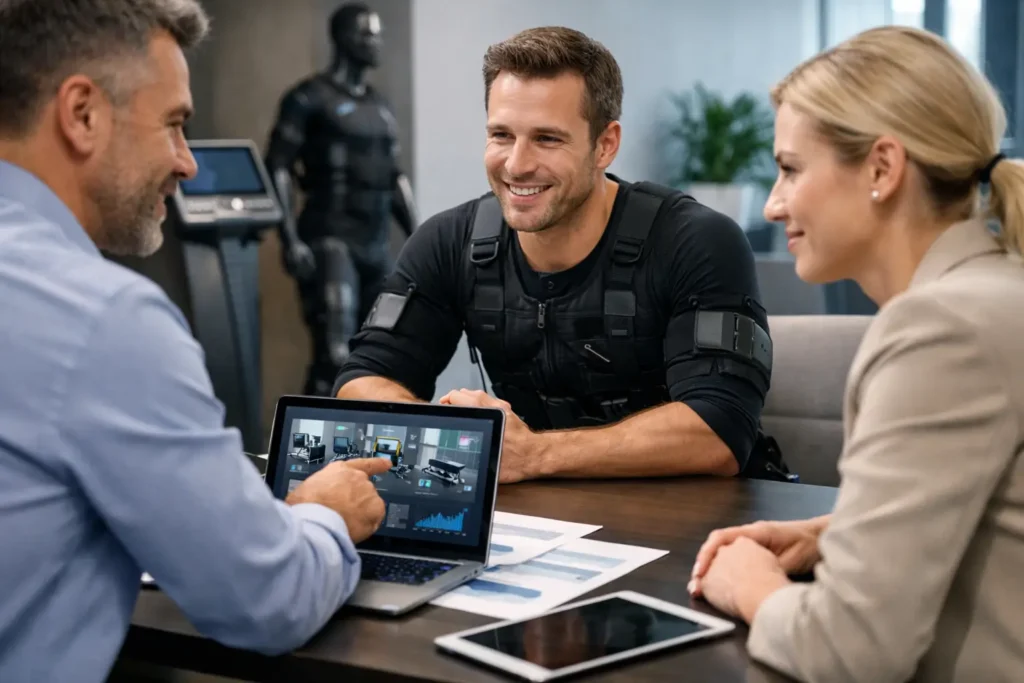
Strong EMS consultation services help an operator assess the investment level, compare equipment access options, define client capacity, and map the practical requirements for launch. That includes space, staffing, onboarding, training, maintenance planning, and the service packages that will be offered to clients.
The consultation should also identify constraints early. A trainer with a full client schedule may have limited time for travel and administration. A gym may have floor space but need a clear way to introduce EMS without confusing its existing membership offer. A wellness concept may need a more private, premium delivery model to protect its brand positioning. These are not small details. They shape the right commercial setup.
Start With the Business Model, Not the Device
Most EMS businesses fall into three broad operating models. Each can be profitable when matched to the right market and operated with discipline, but each creates different demands on the owner.
| Business model | Best fit | Main commercial advantage | Key consideration | |—|—|—|—| | Mobile EMS | Trainers and solo operators | Lower initial overhead and flexible service delivery | Travel time and scheduling limit daily capacity | | Studio EMS | Gyms, clinics, and dedicated EMS locations | Higher client throughput and team-based growth | Requires space planning, staff processes, and local lead flow | | Premium dry wireless EMS | Boutique wellness and VIP concepts | Strong positioning and high-value client experience | Requires polished service standards and a premium audience |
Mobile EMS: A Practical Entry Point
Mobile EMS is often the right starting point for a personal trainer or entrepreneur testing demand before committing to a dedicated location. The operator can serve clients at home, in offices, or through partnerships with gyms and wellness facilities. This approach keeps fixed overhead lower and makes it easier to build a client base through existing relationships.
The trade-off is capacity. Travel, setup, and route planning can reduce the number of appointments possible in a day. Mobile operators need a disciplined service area, reliable booking policies, and packages that make recurring appointments worthwhile. A consultation should test whether the local market supports this model and whether the operator’s current network can generate early traction.
Studio EMS: Built for Scale
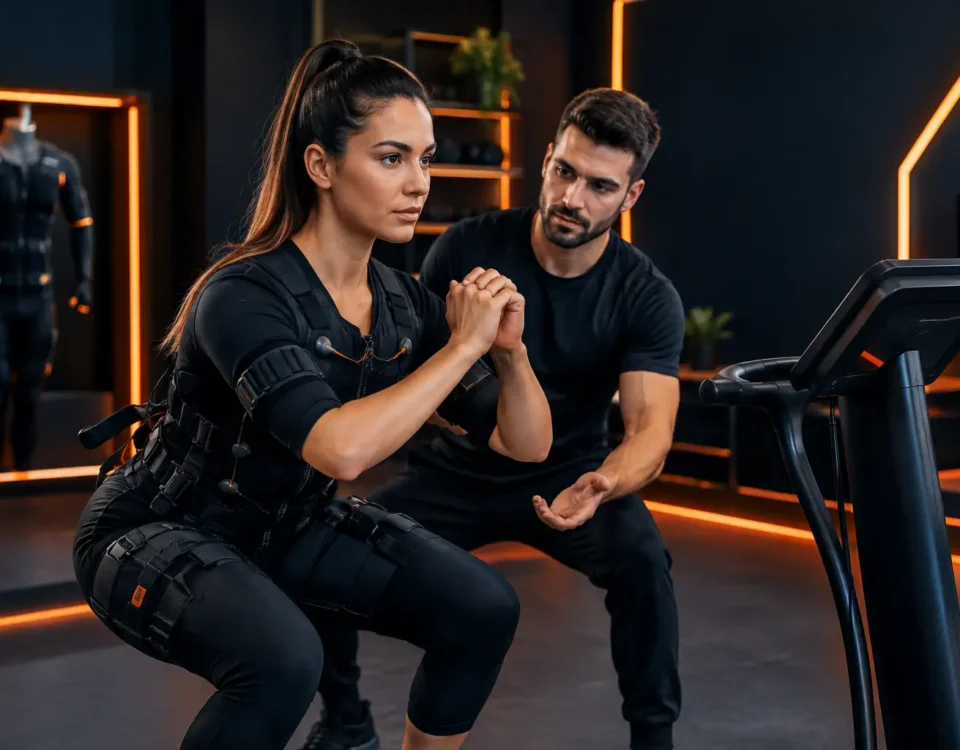
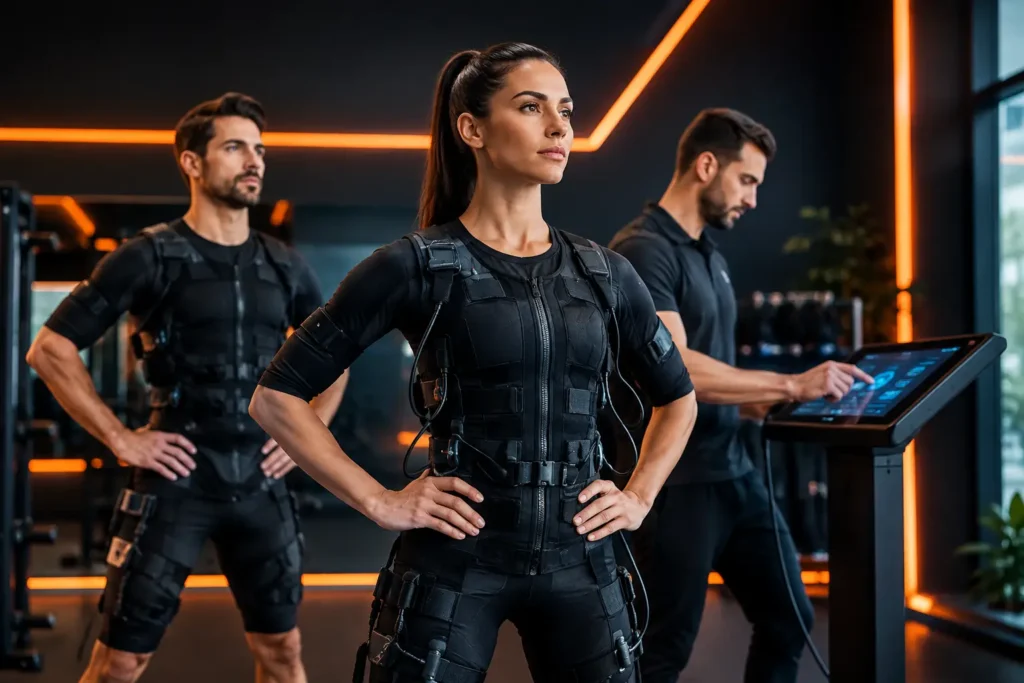
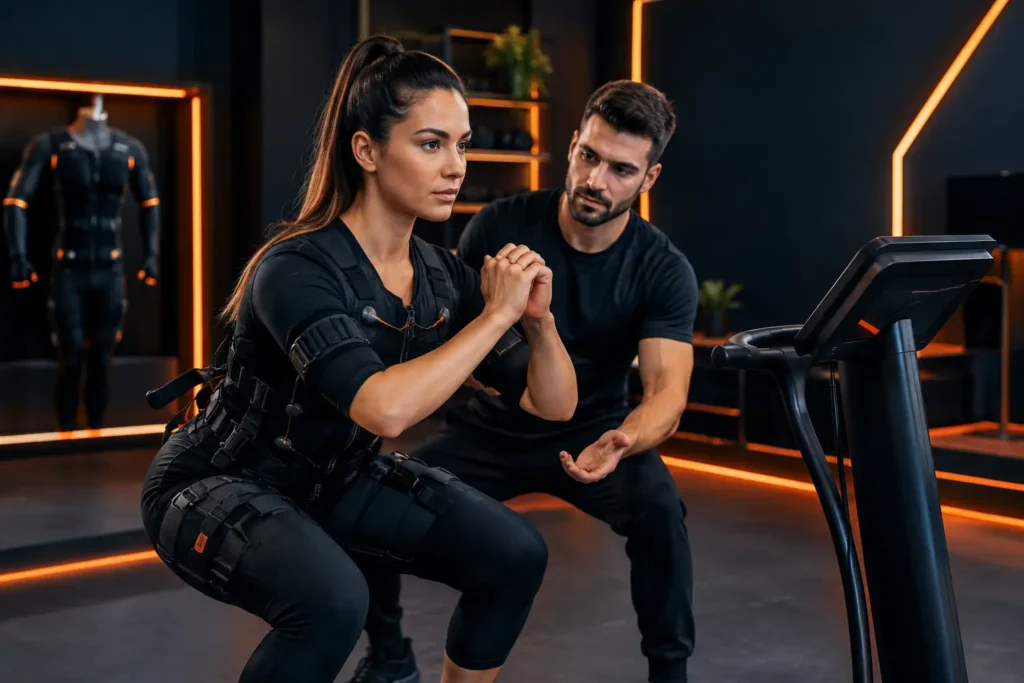
A studio model creates more control over the client journey. Operators can standardize sessions, create a dedicated environment, train staff, and schedule multiple appointments in a concentrated location. For gyms and clinics, EMS can also become a differentiated service line that complements personal training, recovery-oriented wellness offerings, or membership upgrades.
The studio model carries more operational responsibility. Floor layout, staff coverage, equipment utilization, cleaning procedures, reception flow, and lead conversion all matter. It is not enough to have capacity on paper. The business needs a calendar structure that keeps stations and trainers productive without compromising the client experience.
Premium Dry Wireless EMS: Positioning Matters
Premium dry wireless EMS is designed for operators who want a refined, flexible experience for high-value clients. This model can suit boutique studios, luxury wellness concepts, private trainers, and hospitality-oriented environments where convenience, presentation, and discretion are part of the offer.
Its strength is not simply technology. Its strength is positioning. The service must feel consistent with the rest of the client experience, from consultation and scheduling to trainer presentation and follow-up. A premium setup in a price-driven market may struggle, while a well-executed premium offer in the right location can support stronger pricing power and client retention.
The Financial Questions That Need Clear Answers
Commercial planning should be specific without relying on unrealistic revenue promises. An EMS consultation should help the operator build scenarios based on their own pricing, expected utilization, fixed costs, staffing structure, and financing preference.
Start with the investment path. Direct purchase may suit an established operator with available capital and a long-term expansion plan. Rental or rent-to-own can preserve cash flow, reduce the pressure of a large upfront outlay, and allow a new business to begin with a more measured commitment. The right choice depends on capital availability, risk tolerance, and how quickly the operator expects to validate demand.
Then examine utilization. A system only produces revenue when sessions are booked and delivered. The relevant questions are practical: How many session slots can be offered each week? How many can realistically be sold during the first months? What percentage of clients are likely to choose recurring packages? How will leads be generated after the initial network is exhausted?
A consultation should also account for the less visible costs of operating. These may include staff training time, insurance, local compliance obligations, consumables and accessories, marketing activity, booking software, transportation for mobile service, and replacement coverage plans. Planning for these costs protects decision-making from overly optimistic assumptions.
Training and Operations Are Part of the Product
EMS equipment should not arrive as an isolated purchase. The operator needs onboarding that connects technical use to safe, confident service delivery and day-to-day operations. That means understanding setup, session workflows, equipment care, client communication, and the boundaries of the service being offered.
For a studio owner, training should extend to team consistency. Clients should receive the same professional experience regardless of which trainer is on shift. For a mobile operator, the priority may be fast setup, transport discipline, and a repeatable consultation process at each client location. For a premium concept, staff presentation and hospitality can be just as influential as the session itself.
After-sales support deserves equal attention. Warranty coverage, access to spare parts, troubleshooting, and ongoing guidance reduce interruptions that can affect client confidence. Operators should ask what support looks like after the launch phase, not only what is included on delivery day.
Choosing the Right Scope for Your Consultation
Not every business needs the same depth of planning. An experienced gym operator adding EMS to an existing facility may primarily need model selection, staff training, and integration with current services. A first-time entrepreneur may need more support with commercial positioning, equipment financing, launch sequencing, and early client acquisition strategy.
The best consultations are tailored to the decision in front of the operator. They should produce clear next steps, not generic industry advice. By the end of the process, the owner should know which model fits, what resources are required, how the offer will be sold, and what must happen before the first paid session is booked.
EMS Leader approaches this process as a business-entry and growth decision, combining equipment options with setup guidance, training, and operational support. That structure is especially valuable when the operator wants flexibility without sacrificing a defined path to launch.
Questions to Ask Before You Commit
Before selecting a provider or equipment package, ask whether the proposed setup matches your service model and not just your budget. Confirm how training is delivered, what after-sales support is available, and what happens if an essential component needs replacement. Ask for help modeling utilization and operating costs based on your own location, client profile, and schedule.
It is also worth asking how the business can expand. A mobile operation may later need a fixed location. A studio may want additional stations after demand grows. A premium concept may need equipment and workflows that protect a high-touch client experience. Choosing a partner that can support the next stage prevents a successful launch from becoming an operational bottleneck.
The right consultation does not make the decision for you. It gives you a clearer commercial lens for making it well. When the equipment, financing route, client offer, and operating model point in the same direction, an EMS business begins with far more than a system – it begins with a workable plan.