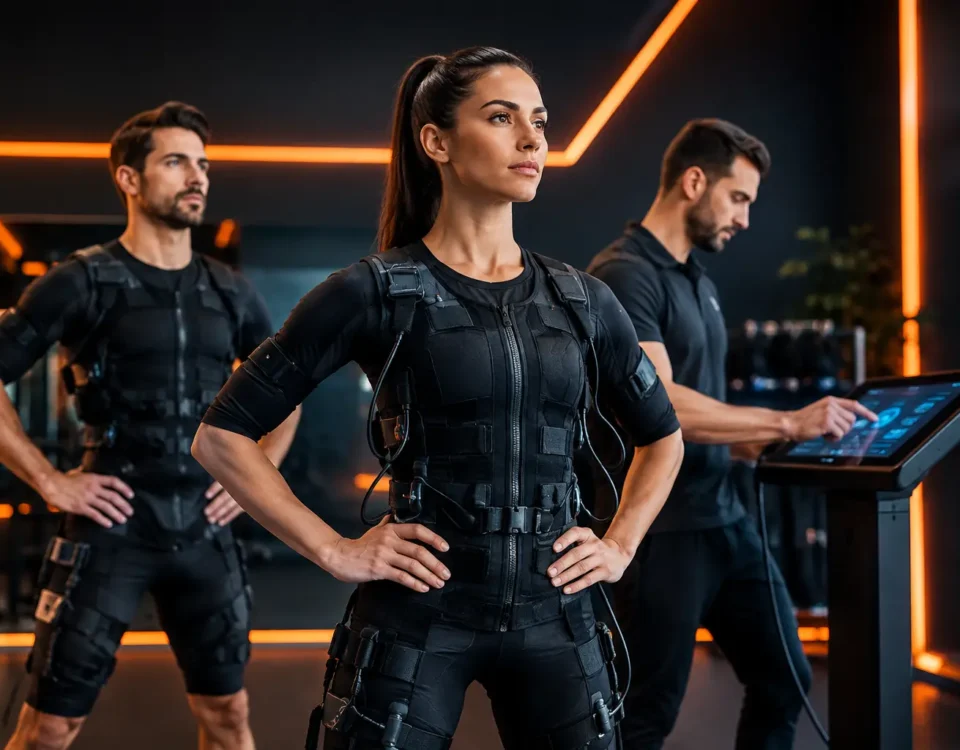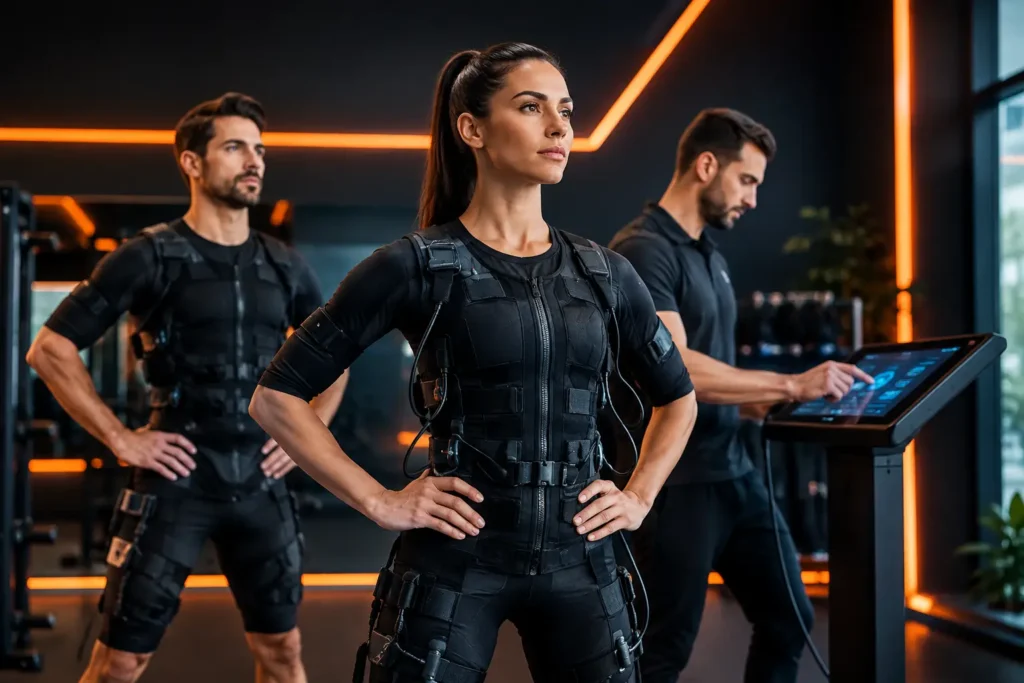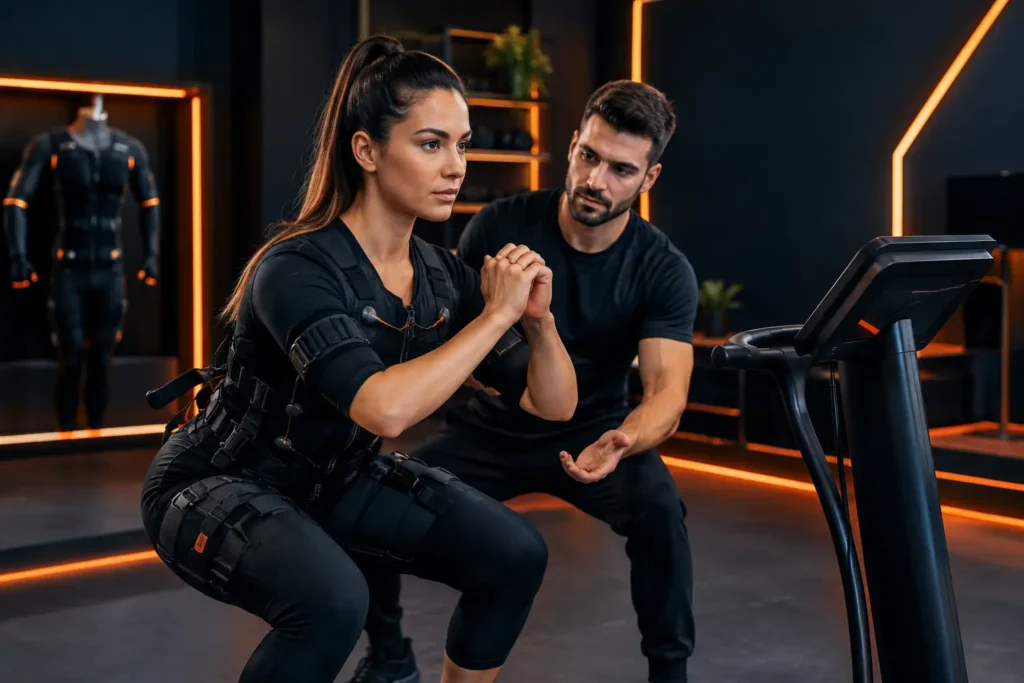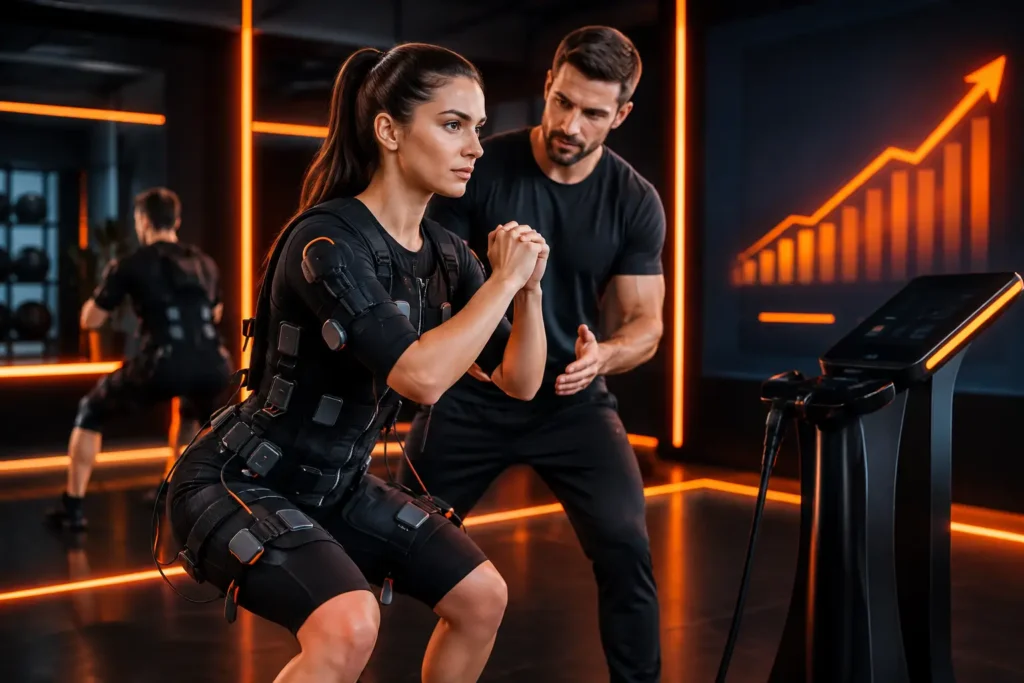

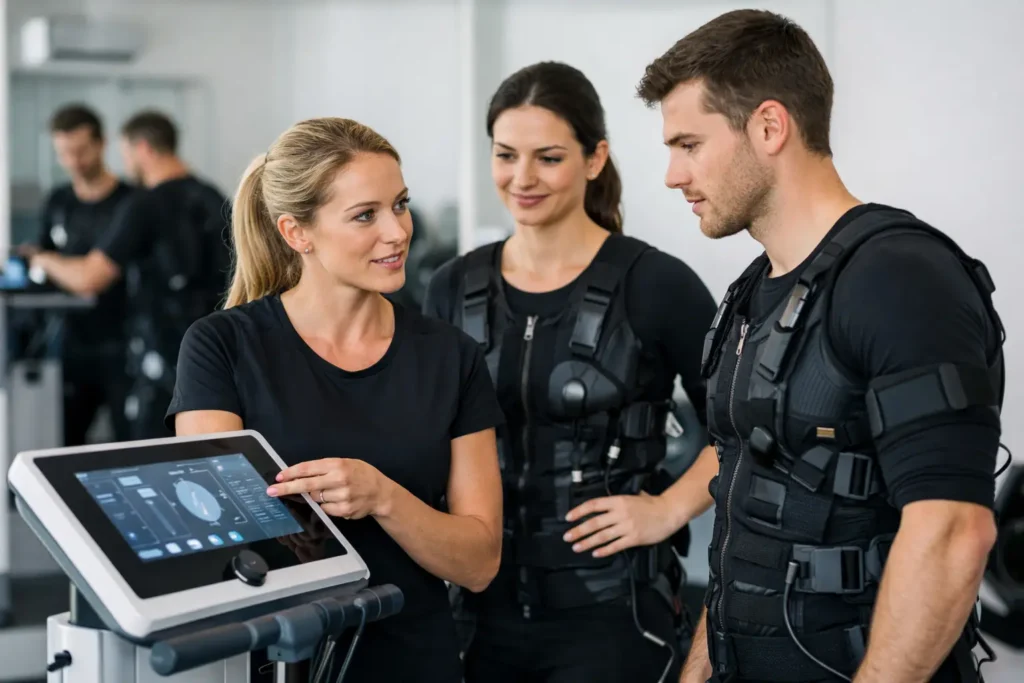
A new EMS coach can either protect your brand promise or quietly weaken it in their first ten sessions. Clients may not know the technical language behind electrical muscle stimulation, but they immediately recognize whether a coach is prepared, attentive, and in control. That is why learning how to train EMS coaches is not simply an onboarding task. It is an operating system for safe delivery, client retention, and scalable revenue.
For a mobile operator, one inconsistent coach can damage referrals in a small local market. For a studio owner, weak coaching standards create uneven sessions across the schedule and make growth harder to manage. The answer is not to overload new hires with theory. It is to build a structured training pathway that turns equipment knowledge into repeatable client experiences.
Start With the EMS Business Model
Coach training should match the business you are building. A solo mobile EMS operator needs a coach who can transport, set up, assess a client, deliver a focused one-to-one session, and maintain equipment independently. A multi-coach studio needs standardized session flow, handover procedures, and clear quality controls. A premium wireless EMS concept may place greater emphasis on hospitality, privacy, presentation, and personalized service.
Before training begins, define what a successful coach is responsible for. This prevents a common mistake: training everyone as though they work in the same environment, even when client volume, service expectations, and equipment setup are completely different.
| Operating model | Main coaching priority | Training emphasis | | — | — | — | | Mobile EMS | Independence and efficient setup | Transport, hygiene, client preparation, one-to-one delivery | | Studio EMS | Consistency at higher client volume | Session systems, scheduling, team communication, equipment rotation | | Premium EMS | Experience and personalization | Consultation quality, discretion, presentation, detailed client notes |
The commercial model also determines how much coaching capacity you need. A coach who can confidently manage the full client journey gives the business more flexibility than someone who can only operate the device under supervision.
Build Training Around Four Core Competencies
The strongest EMS coaching programs do not treat technical operation as the entire job. A coach must understand the equipment, but the client experience depends on much more. Training should develop four connected competencies: safety and screening, device operation, movement coaching, and client communication.
1. Safety and client screening
Every coach needs a consistent process for checking whether a session is appropriate before electrodes are fitted or stimulation begins. This includes using your approved health questionnaire, identifying situations that require postponement or referral, confirming informed participation, and following the manufacturer’s instructions for use.
The exact screening process depends on local regulations, your insurer, your equipment protocol, and the services your business provides. Do not ask coaches to make medical judgments outside their qualifications. Instead, give them a clear escalation process: when to stop, when to seek management guidance, and when a client should obtain advice from a qualified healthcare professional.
Coaches should also understand hygiene, garment handling, electrode placement procedures, skin checks where applicable, emergency procedures, and equipment inspection. These are not background tasks. They are visible signs of a professional operation.
2. Device operation and intensity control
A coach should know every control on the EMS system they use, but memorizing buttons is not the goal. They need to understand how settings affect the session and how to progress intensity with client feedback, visual observation, and controlled movement.
Train coaches to avoid treating intensity as a competition. A productive session is not defined by the highest setting a client can tolerate. It is defined by an appropriate level of stimulation that supports the planned exercise, stays within your operating protocol, and allows the coach to monitor the client effectively.
Use practical drills during training. Have the new coach set up the system, explain each channel, troubleshoot common connection issues, and lead a supervised session from start to finish. If they cannot calmly solve a simple equipment issue while communicating with the client, they are not ready to work alone.
3. Movement coaching under stimulation
EMS does not replace coaching. In fact, it raises the value of good coaching because exercises often need to be selected, paced, and corrected with greater precision. New coaches should learn a limited menu of foundational movements before they attempt complex programming.
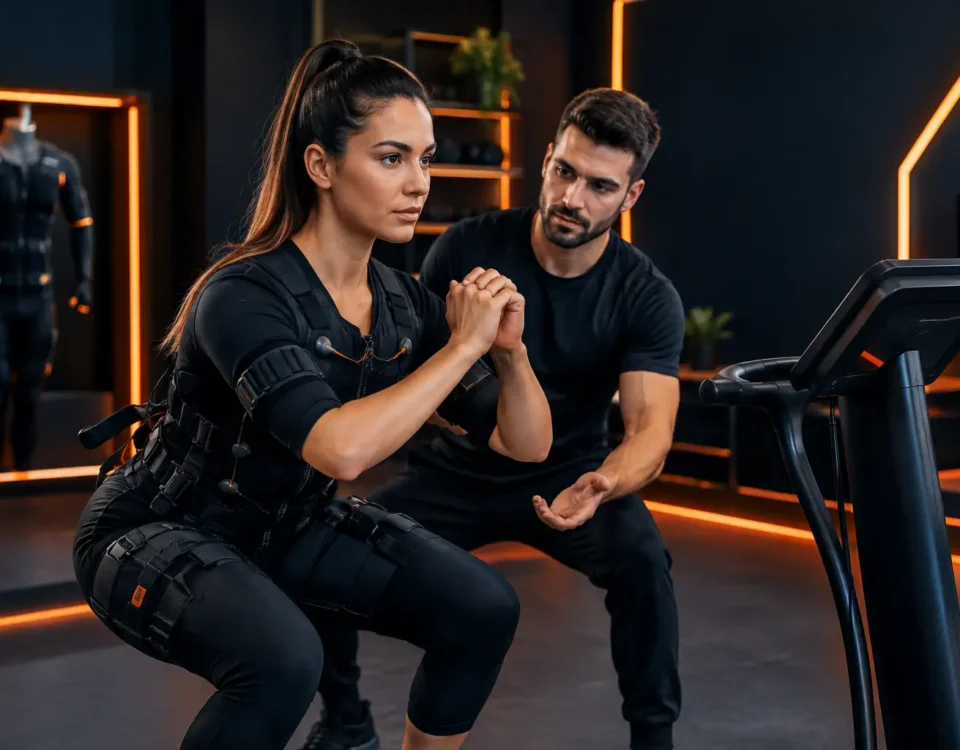
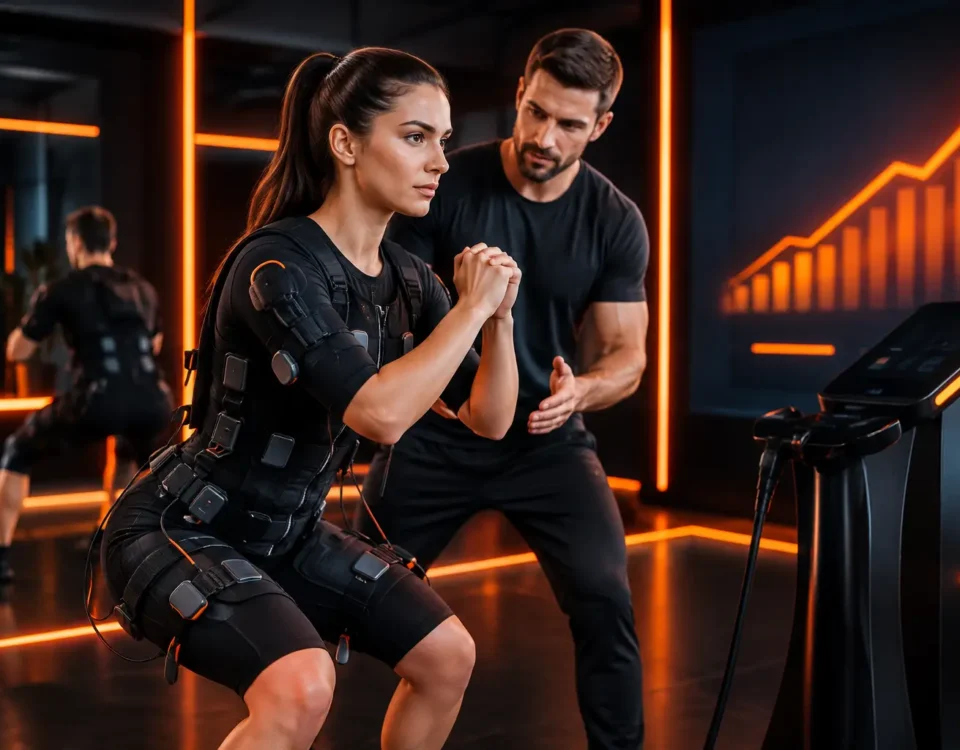
Focus first on posture, breathing, range of motion, tempo, balance, and clear exercise regressions. Coaches should be able to adapt a session when a client has low training experience, limited coordination, or simply arrives tired after a long workday. A simple, well-coached squat pattern is more valuable than a complicated routine delivered without control.
Create session templates for common goals such as general conditioning, strength-focused work, mobility-oriented sessions, and introductory EMS appointments. Templates improve consistency, but they should not turn the coach into a script reader. Teach the reason behind each exercise so they can make sensible adjustments while staying within the approved protocol.
4. Client communication and confidence
Clients often arrive with questions about what EMS feels like, what they should wear, how hard they should work, and what to expect after a session. Coaches need concise, accurate answers that set realistic expectations without making medical or body-transformation promises.
Role-play the first consultation. The coach should be able to explain the session flow, ask useful questions, confirm comfort, and describe how the client should communicate during training. They should also know how to correct a client without sounding overly technical or intimidating.
The strongest coaches use simple language: “Tell me if this feels too strong,” “Keep your movement controlled,” or “We will build gradually as your body adapts.” That communication creates trust and gives the operator a more reliable basis for long-term client relationships.
Use a Phased Coach Training System
A one-day demonstration may be enough to introduce equipment. It is rarely enough to prepare a coach for independent delivery. A phased approach reduces risk and lets managers assess competence before a coach represents the business alone.
Begin with product and protocol orientation. The coach learns the equipment, approved procedures, cleaning standards, documentation, and the limits of their role. Next, move to coached practice, where they experience an EMS session and deliver portions of one under direct supervision.
The third phase is supervised client delivery. The new coach leads real sessions while a qualified trainer observes setup, communication, movement selection, intensity management, and closing procedures. Only then should the coach move to independent work, supported by regular quality reviews.
A practical sign-off should assess more than attendance. Ask the coach to demonstrate a complete session: prepare the client, conduct screening, fit equipment correctly, explain stimulation, coach a safe exercise sequence, respond to feedback, close the session, and complete records. If any stage is uncertain, more practice is cheaper than repairing a poor client experience later.
Standardize the Session, Not the Personality
Scaling an EMS business requires consistency, but excessive scripting can make sessions feel impersonal. The right balance is to standardize the non-negotiables while giving coaches room to communicate naturally.
Your non-negotiables may include pre-session screening, equipment checks, hygiene standards, client instructions, intensity progression rules, session documentation, and post-session guidance. The coach can still adapt exercise choices, coaching cues, and tone to the individual in front of them.
This approach helps clients receive the same professional standard whether they book at 7 a.m. with one coach or after work with another. It also makes it easier to add staff, open another location, or introduce mobile service without rebuilding your procedures from scratch.
Measure Coaching Quality Beyond Session Volume
A full calendar does not automatically mean a coach is performing well. Track a combination of operational and client-facing indicators. Attendance and repeat bookings show whether clients value the experience. Setup times and equipment issues reveal operational discipline. Observation scores show whether the coach follows the protocol when no manager is in the room.
Client feedback is especially useful when it asks specific questions: Did the coach explain the session clearly? Did you feel listened to? Was the session appropriately challenging? General satisfaction scores are helpful, but specific feedback tells you what to improve.
Schedule short review sessions rather than waiting for a complaint. Review one or two recorded observations, discuss what worked, identify one improvement target, and set a date to reassess. This makes development practical and prevents standards from slipping as the business gets busier.
Keep Training Active After Launch
The question of how to train EMS coaches continues after initial certification or onboarding. Equipment updates, new team members, changing client profiles, and growth into new service formats all create new training needs. Plan refresher sessions around real operational issues, not just an annual calendar requirement.
For example, if coaches are struggling with first-session conversions, practice consultations and client education. If a studio is losing time between appointments, review setup and turnaround procedures. If management notices inconsistent exercise selection, run a movement-coaching workshop using your most common client scenarios.
EMS Leader supports operators with equipment onboarding and academy-style training because coach capability affects every part of the commercial model, from client confidence to operational control. The goal is not to produce coaches who merely operate a system. It is to develop professionals who can deliver a service clients trust and recommend.
A well-trained EMS coach gives your business more than another available appointment slot. They create the consistency that lets a promising EMS concept become a dependable operation, one excellent session at a time.