
A wireless EMS suit review should answer a business question before it answers a technical one: will this setup improve the client experience and support a profitable operating model? For trainers, studio owners, and wellness founders, wireless EMS is not simply a more modern version of a wired system. It changes how sessions are delivered, where the business can operate, how the space looks, and which clients may be willing to pay for the experience.
The right decision depends on your concept. A compact mobile operator may value fast setup and freedom of movement. A boutique wellness studio may prioritize a polished, dry-suit experience that fits a premium environment. A high-throughput facility may find that conventional systems still make more commercial sense if maximum simultaneous capacity is the main goal.
What a Wireless EMS Suit Changes in Practice
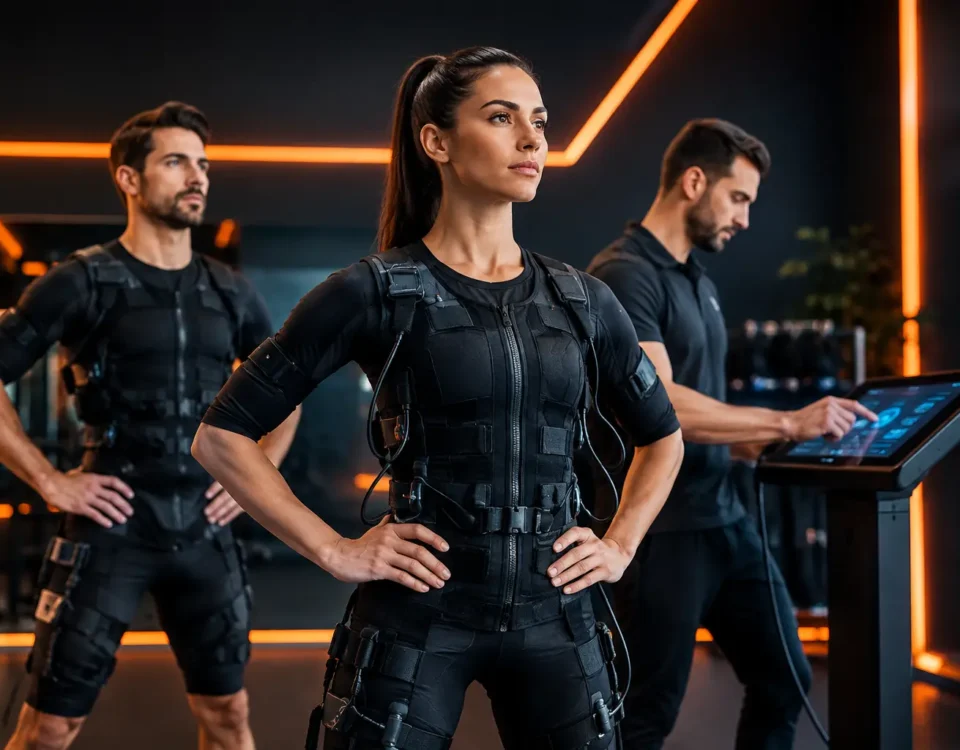
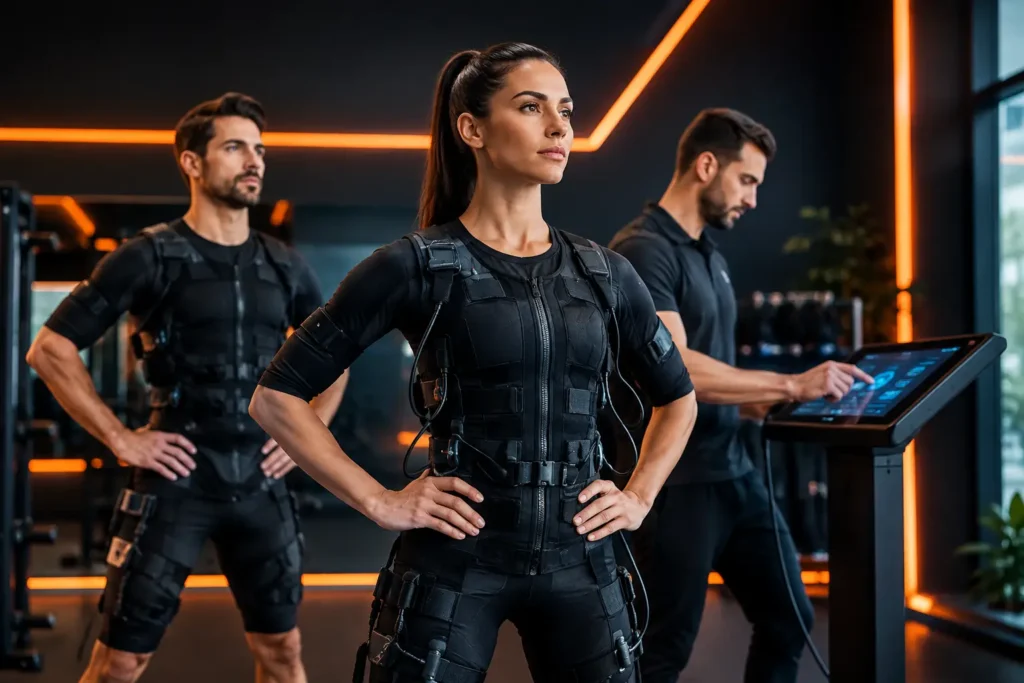
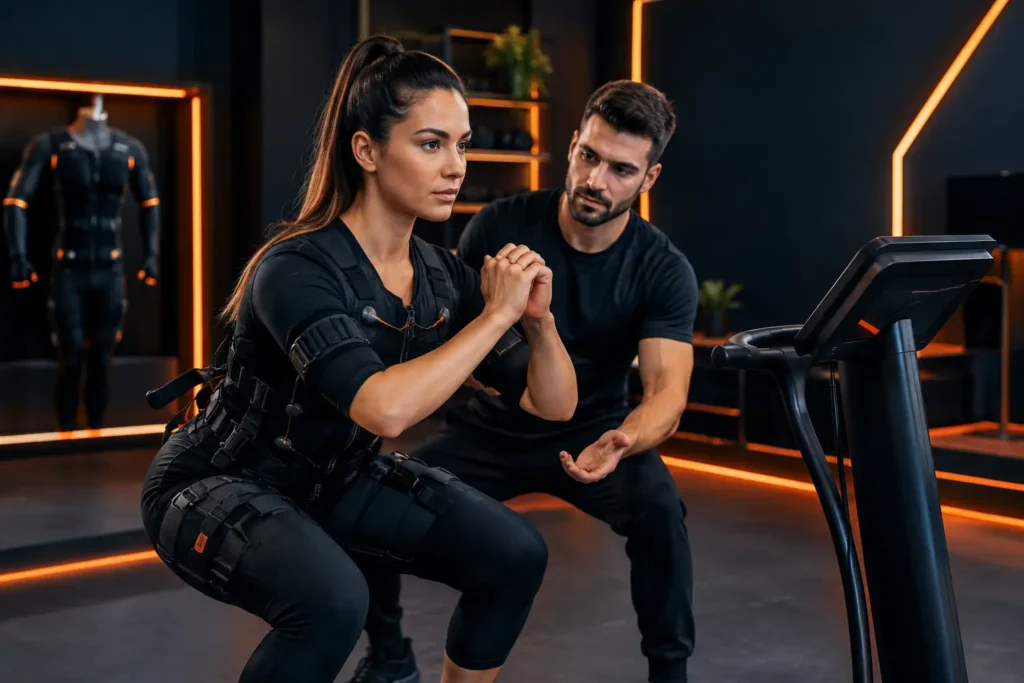
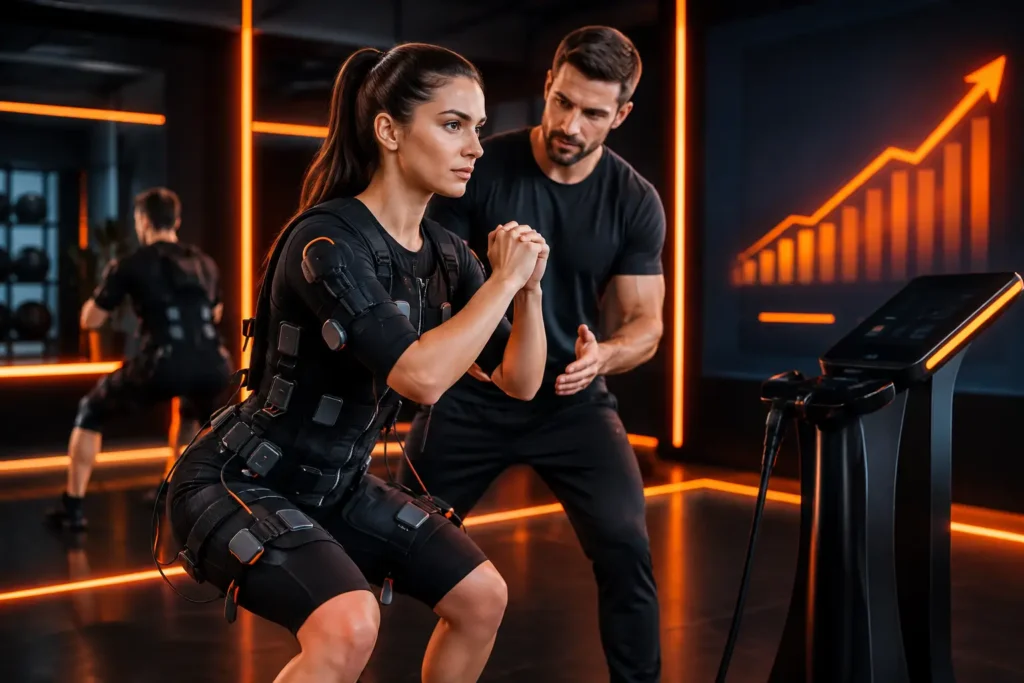
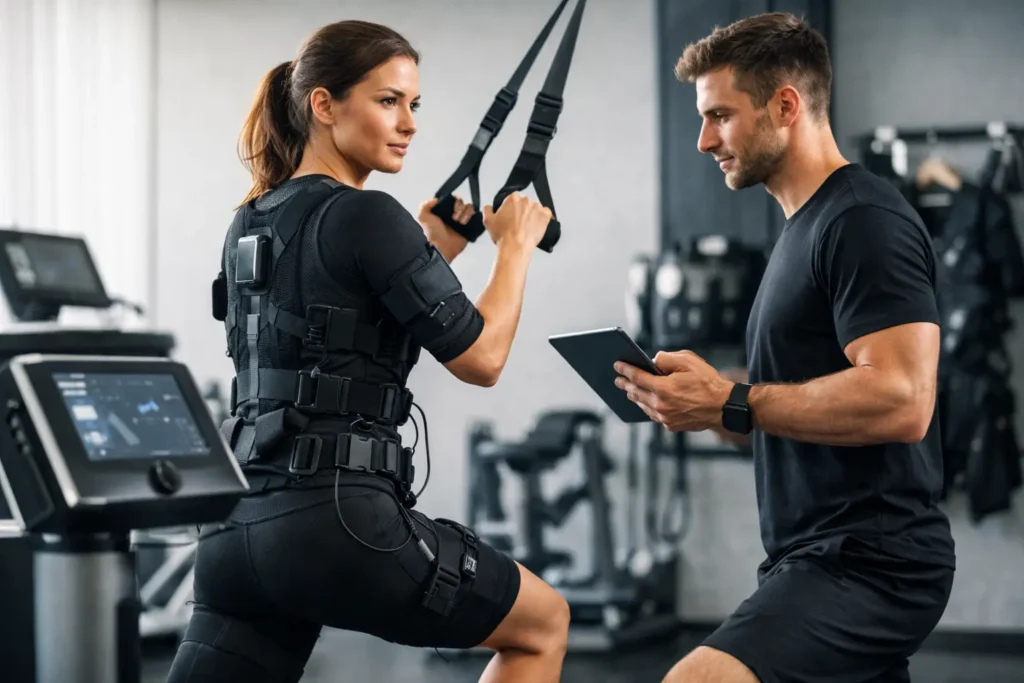
The defining benefit is clear: no cables connecting the client to a central control unit during the session. That gives coaches more room to move, demonstrate exercises, correct form, and create a training environment that feels less clinical or equipment-heavy.
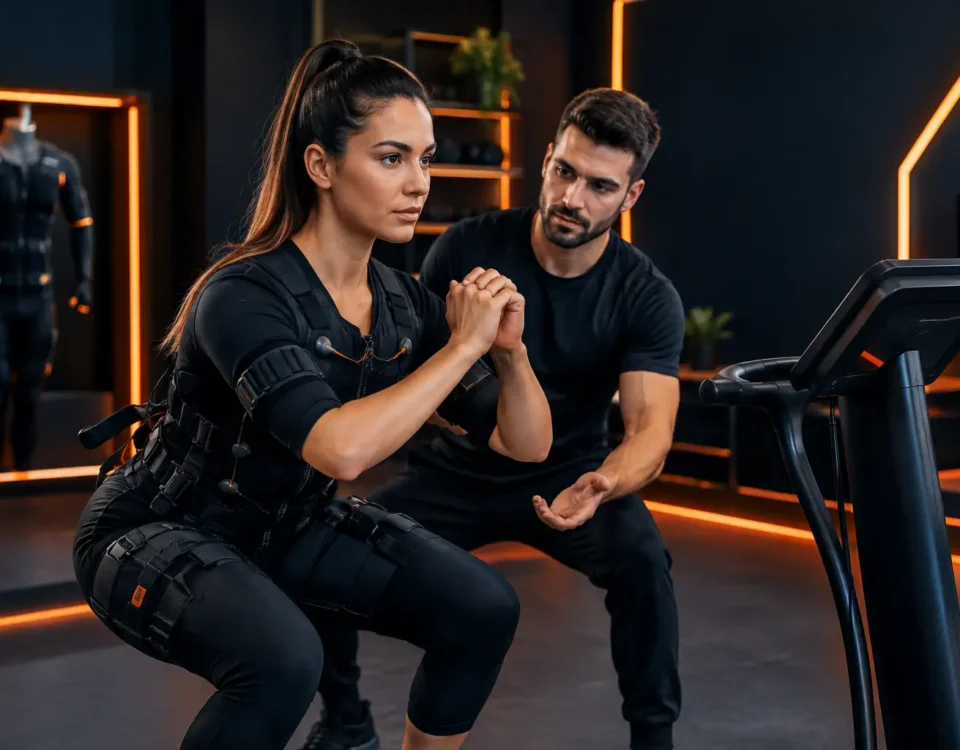
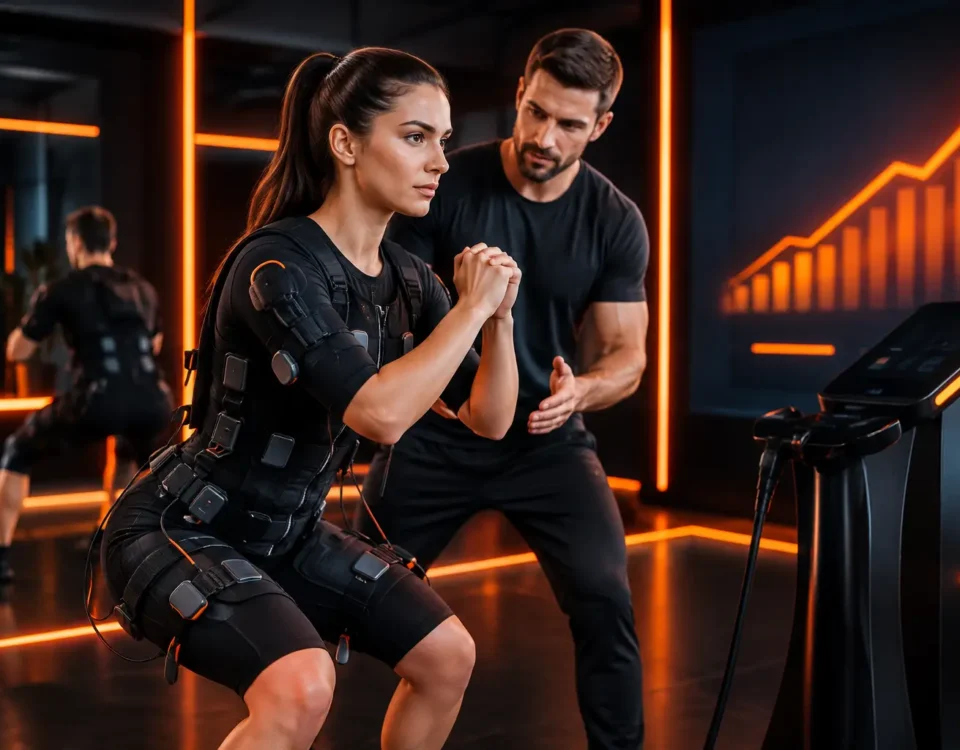
For the client, this can make EMS training feel more familiar. They can walk, squat, lunge, use light equipment, or complete functional movement patterns without managing a cable position. For an operator, that freedom supports a more coached, personal session rather than a static electrical stimulation demonstration.
Wireless formats also help when presentation matters. In a premium personal-training room, hotel wellness space, private clinic setting, or VIP concept, a cleaner visual setup can reinforce the service value. Clients do not purchase hardware. They purchase confidence, coaching attention, convenience, and an experience that feels worth repeating.
That said, wireless does not automatically mean better for every business. It introduces its own operating requirements, especially around charging discipline, garment turnaround, cleaning protocols, and staff training. A suit is only commercially valuable when it is ready for the next booked session.
Wireless EMS Suit Review: The Factors That Matter Most
A commercial review should look beyond stimulation programs and marketing features. The more useful evaluation is whether the system fits your daily workflow, staffing level, client profile, and growth plan.
Movement quality and coaching freedom
Wireless EMS is strongest when your service model relies on active, closely coached sessions. The coach can move around the client more naturally, assess posture from different angles, and use the room without cable limitations. This is particularly valuable for one-to-one training, functional fitness, and high-touch wellness concepts.
Ask whether the suit stays secure during common movements and whether electrode positioning remains consistent. A session can look premium on paper but feel frustrating if garment fit shifts during lunges, floor work, or dynamic drills. Multiple suit sizes and a clear fitting process are operational essentials, not accessories.
Dry versus wet operating workflow
Many operators considering wireless EMS are drawn to dry systems because they can reduce the preparation associated with wet electrode garments. Dry setups can support a cleaner, more boutique-style client journey and may make back-to-back appointments easier to manage.
However, dry does not mean no workflow. Staff still need to inspect the suit, confirm contact quality, follow cleaning guidance, manage hygiene layers where appropriate, and prepare the system between sessions. The best process is the one your team can follow consistently during a busy day.
Wet systems may remain a sensible choice for businesses built around established EMS studio workflows or operators who prefer that format. The decision should be based on service design, not novelty. If your brand promise is speed, privacy, mobility, and premium presentation, dry wireless EMS may fit naturally. If your priority is multi-client throughput in a standardized studio format, compare the capacity and turnaround implications carefully.
Battery management and session continuity
Battery management is one of the least glamorous parts of operating wireless EMS, and one of the most important. Review how long the system performs under normal commercial use, how batteries are charged, whether modules are interchangeable, and what happens if a device needs service.
A practical operator creates a charging routine tied to the timetable, not memory. Batteries should be checked before opening, between shifts, and before any off-site session. If you plan to offer mobile appointments, carrying a charged backup and understanding transport procedures becomes part of the service standard.
This is where supplier support matters. Equipment is not a complete business solution if replacement parts, technical guidance, and troubleshooting are difficult to access. Downtime costs more than a missed session. It can interrupt packages, weaken client trust, and put pressure on the coach to solve technical issues alone.
Control, safety, and trainer competence
Wireless operation should never reduce coaching control. The operator needs clear adjustment capability, reliable communication with the suit, understandable intensity settings, and a process for monitoring client comfort throughout the session.
Training is central here. EMS is not a plug-and-play service where equipment replaces professional judgment. Coaches need to understand client screening, contraindications, suitable movement selection, intensity progression, session structure, suit fitting, hygiene, and documentation practices. They also need to know when not to proceed with a session.
A supplier that provides onboarding and practical academy training can shorten the learning curve for a new business. It also helps create a consistent service when multiple coaches will use the system. Consistency protects the client experience and makes scaling more manageable.
Where Wireless EMS Delivers the Best Commercial Fit
Wireless EMS tends to be most compelling in businesses where client experience and flexibility carry real pricing power. The following comparison can help clarify where it fits.
| Business model | Why wireless can work | Key operational consideration | |—|—|—| | Mobile EMS | Easier transport, flexible training locations, cleaner setup for private sessions | Charging, travel planning, and carrying backup essentials | | Boutique studio | Premium visual presentation and high-touch one-to-one coaching | Appointment timing, garment care, and polished staff protocols | | Wellness or longevity concept | Can complement private, concierge-style services | Clear positioning and properly trained staff are essential | | Large-volume EMS studio | Useful as a premium tier or specialist service | Assess capacity against the higher workflow demands |
For a solo trainer, a wireless suit can make it easier to build a mobile service without requiring a fixed studio from day one. That lowers the commitment to a permanent location, although the operator must still budget for professional training, insurance, scheduling tools, marketing, and customer acquisition.
For an established gym or clinic, wireless EMS may work best as a premium add-on rather than a replacement for every existing service. Consider whether the system will be used in personal training, recovery-focused wellness offerings within appropriate professional boundaries, private memberships, or corporate sessions. The use case determines the sales message, staffing plan, and expected utilization.
Questions to Ask Before You Invest
Before selecting a system, move the discussion from features to measurable operating conditions. Ask how many sessions you expect to run each week, how many suits are needed to avoid laundry or charging bottlenecks, who will deliver training, and how quickly you can replace a component if it fails.
Also examine the commercial package around the equipment. Does the provider help you compare mobile, studio, and premium wireless models? Is there onboarding for your team? Are warranty coverage, spare parts, technical support, and business consultation available after delivery? Flexible rental or rent-to-own options can be valuable when you want to validate local demand before committing more capital, but the terms should still fit your cash-flow plan.
Do not build projections around full utilization from the first month. Start with a conservative plan based on realistic appointment availability, local demand, trainer capacity, and the time required to educate clients about the service. A well-positioned offer with strong retention is more valuable than a device sitting unused between sporadic trial sessions.
The Trade-Off: Premium Experience Versus Operational Discipline
Wireless EMS can elevate the experience, but it asks more of the operator. The business needs systems for charging, suit inspection, sanitation, storage, fitting, coach education, and client communication. Those systems are not bureaucracy. They are what turn an attractive piece of equipment into a dependable service.
The best wireless EMS operation usually feels simple to the client because it is disciplined behind the scenes. The booking is clear, the coach is prepared, the suit is ready, the session feels personal, and the next appointment is easy to schedule.
EMS Leader works with operators who need that broader foundation, including equipment options, setup support, training, and a business model aligned with how they plan to sell EMS. Before choosing a wireless suit, define the experience you want clients to remember, then select the operating model capable of delivering it every session.